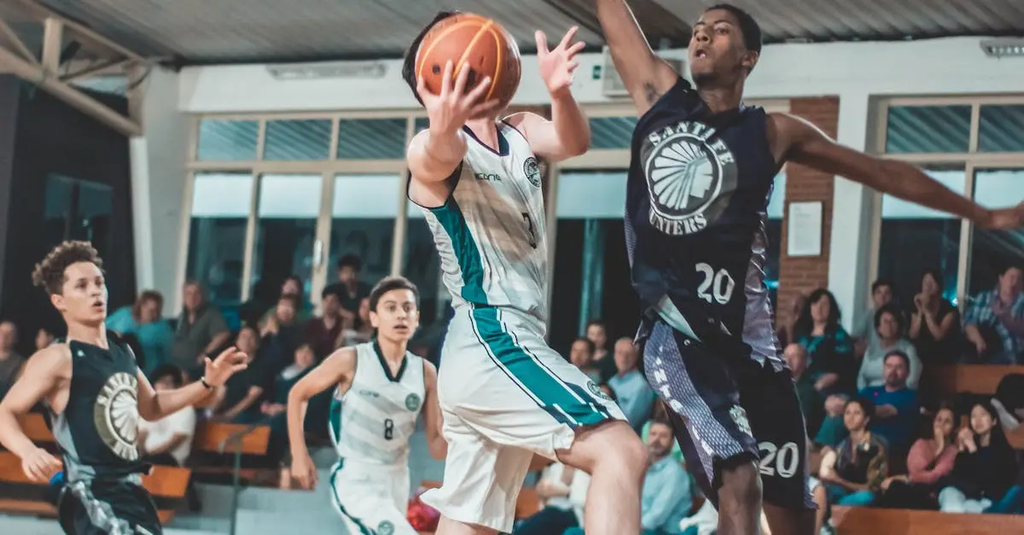
Press defense basics refer to fundamental strategies in basketball where defenders apply pressure to the offensive team as soon as they inbound the ball. The goal is to disrupt the opponent’s play, force turnovers, and limit their scoring opportunities. Key elements include staying close to opponents, communicating with teammates, anticipating passes, and using quick footwork to trap ball handlers. Effective press defense requires coordination, stamina, and constant alertness.
Press Defense Basics
Press defense basics refer to fundamental strategies in basketball where defenders apply pressure to the offensive team as soon as they inbound the ball. The goal is to disrupt the opponent’s play, force turnovers, and limit their scoring opportunities. Key elements include staying close to opponents, communicating with teammates, anticipating passes, and using quick footwork to trap ball handlers. Effective press defense requires coordination, stamina, and constant alertness.

💡 Key Takeaways
- Understand what press defense is and why teams use it to interrupt the offense from the inbound.
- Learn the core technique of on-ball pressure—staying tight to the inbound passer and ball handler to deny easy plays.
- Recognize how press defense aims to create turnovers and limit scoring by disrupting passing lanes and forcing rushed decisions.
- Be aware of common risks (fouls, getting beat off the dribble) and basic ways to stay disciplined and transition to defense if the press is breached.
❓ Frequently Asked Questions
What is press defense in basketball?
A defensive strategy that applies pressure on the ball and inbound passer immediately after inbound, aiming to disrupt the offense and force turnovers or rushed shots.
What is the difference between a full-court press and a half-court press?
A full-court press applies pressure across the entire court from inbounds to backcourt, while a half-court press targets pressure mainly in the backcourt or near midcourt, often with traps.
When should a team use a press defense?
When you want to speed up the offense, force turnovers, or change the game's tempo, and you have enough energy and communication to avoid fouls.
How can players beat a press defense?
Move the ball quickly with accurate short passes, use outlets to reset, break pressure through the middle, and exploit open spaces; call a timeout if needed to reset.
What are common risks of using a press defense?
Increased risk of fouls, easy baskets if broken, greater energy demand, and potential miscommunication leading to turnovers.