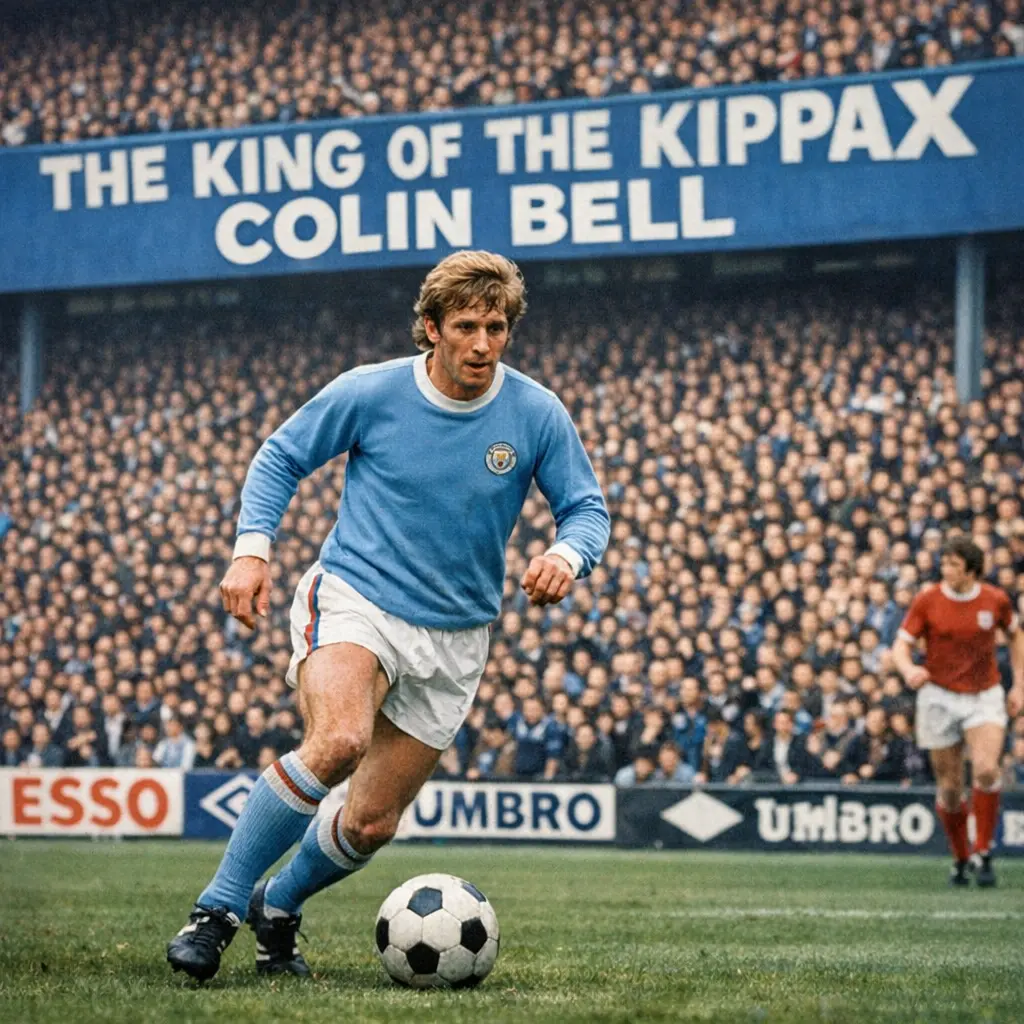
Pressing triggers are specific cues, like a poor touch or backward pass, that signal Manchester City players to initiate coordinated pressure on the opponent. Counter-pressing principles involve immediately pressing to win the ball back after losing possession, disrupting the opposition’s transition. Under Pep Guardiola, City’s players are trained to recognize these triggers and collectively swarm the ball, regaining control quickly and maintaining their high-possession, attacking style of play.
Pressing Triggers and Counter-Pressing Principles
Pressing triggers are specific cues, like a poor touch or backward pass, that signal Manchester City players to initiate coordinated pressure on the opponent. Counter-pressing principles involve immediately pressing to win the ball back after losing possession, disrupting the opposition’s transition. Under Pep Guardiola, City’s players are trained to recognize these triggers and collectively swarm the ball, regaining control quickly and maintaining their high-possession, attacking style of play.
💡 Key Takeaways
- Identify common triggers that lead to emotional or impulsive reactions.
- Differentiate between automatic responses and deliberate, counter-pressing choices.
- Learn a simple counter-pressing workflow: pause, assess, decide on a constructive response.
- Apply de-escalation techniques and boundary-setting to manage triggering situations.
- Develop ready-to-use scripts or phrases to respond calmly and protect your boundaries.
❓ Frequently Asked Questions
What is pressing in football and why is it used?
Pressing is when a team actively challenges the opponent who has the ball, aiming to win possession high up the pitch. It disrupts the opponent's build-up, forces mistakes, and creates turnover chances.
What are pressing triggers and can you give examples?
Pressing triggers are cues that signal a press should start. Examples include a poor first touch, a backward or sideways pass, a pass into a crowded area, or goalkeeper distribution.
What is counter-pressing (Gegenpressing) and when is it used?
Counter-pressing is the immediate attempt to win the ball back after losing possession, rather than retreating. It aims to keep the attack momentum and prevent counterattacks.
What are the core principles of effective counter-pressing?
Press quickly and as a connected unit after losing the ball, stay compact between lines, use clear triggers and roles, and prioritize winning the ball high up to maintain pressure.