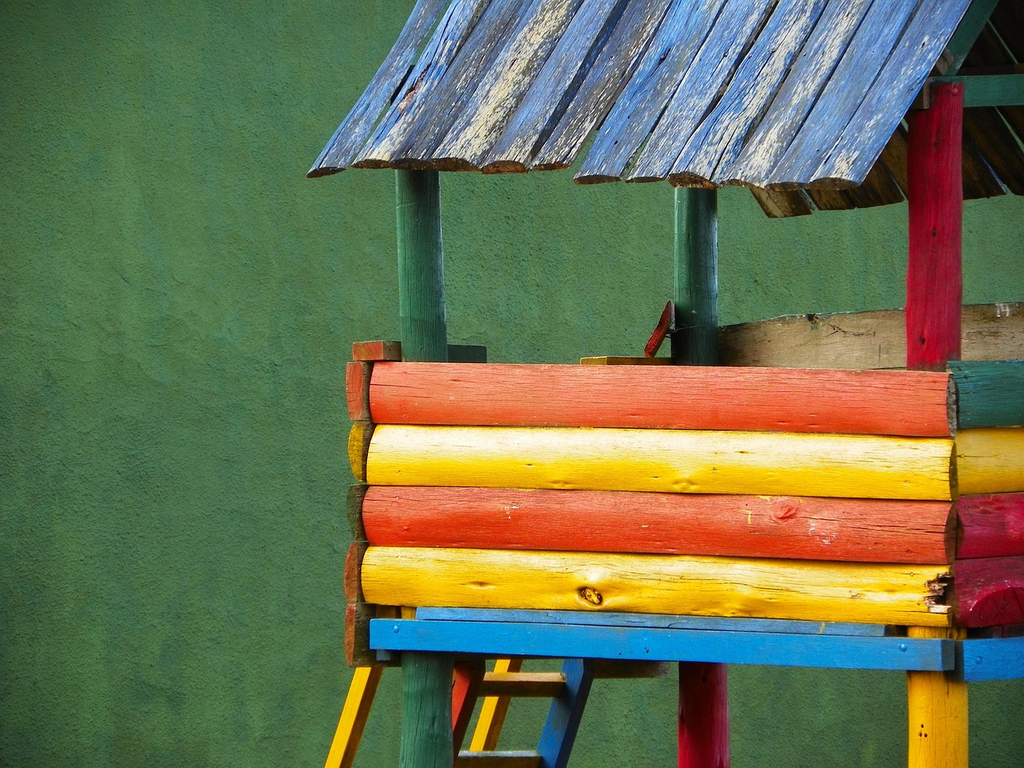
"Primary Colors (Puzzles for All Ages)" refers to engaging activities or games centered around the three basic colors—red, blue, and yellow—that cannot be created by mixing other colors. These puzzles are designed to be accessible and enjoyable for people of any age, encouraging creativity, problem-solving, and color recognition. They often involve tasks such as matching, sorting, or pattern creation, fostering learning and fun for both children and adults alike.
Primary Colors+50
"Primary Colors (Puzzles for All Ages)" refers to engaging activities or games centered around the three basic colors—red, blue, and yellow—that cannot be created by mixing other colors. These puzzles are designed to be accessible and enjoyable for people of any age, encouraging creativity, problem-solving, and color recognition. They often involve tasks such as matching, sorting, or pattern creation, fostering learning and fun for both children and adults alike.
💡 Key Takeaways
- Identify the primary colors in pigments (red, blue, yellow) and in light (red, green, blue).
- Explain how primary colors mix to form secondary colors (orange, green, purple).
- Differentiate additive (RGB) and subtractive color models and when to use each.
- Use primary colors to build harmonious color palettes for art and design.
❓ Frequently Asked Questions
What are primary colors?
Primary colors are the basic colors that cannot be created by mixing other colors. In subtractive color (paints), the primaries are red, blue, and yellow. In additive color (light), the primaries are red, green, and blue.
What colors do you get when mixing two primary colors?
Subtractively: red+blue=purple, red+yellow=orange, blue+yellow=green. Additively (light): red+green=yellow, red+blue=magenta, green+blue=cyan.
How should I choose primary colors for art vs. digital design?
For art/paints, use red, blue, and yellow. For digital screens, use red, green, and blue. Knowing the system helps you predict resulting colors.
Why are primary colors useful in color theory?
They provide a foundation for predicting color mixes and creating harmonious palettes in art, design, and media.