Probability & Combinatorics Intro refers to the foundational concepts in mathematics that deal with measuring the likelihood of events (probability) and counting or arranging objects (combinatorics). This introduction typically covers basic probability rules, such as calculating the chances of outcomes, and fundamental combinatorial techniques like permutations and combinations, which help determine the number of possible ways to arrange or select items. These concepts are essential for solving problems involving chance and counting.
Probability & Combinatorics Intro
Probability & Combinatorics Intro refers to the foundational concepts in mathematics that deal with measuring the likelihood of events (probability) and counting or arranging objects (combinatorics). This introduction typically covers basic probability rules, such as calculating the chances of outcomes, and fundamental combinatorial techniques like permutations and combinations, which help determine the number of possible ways to arrange or select items. These concepts are essential for solving problems involving chance and counting.
💡 Key Takeaways
- Understand key probability ideas: sample space and events.
- Learn how to count outcomes using basic combinatorics (permutations and combinations).
- Learn to compute simple probabilities using fractions, decimals, and percentages.
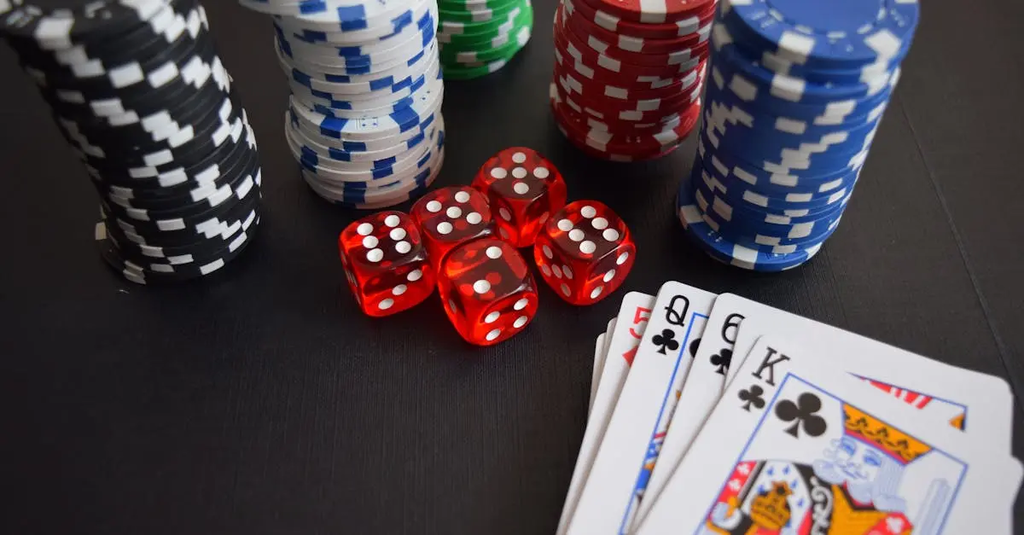
- Practice solving beginner problems with dice, cards, and coin tosses using probability and counting.
❓ Frequently Asked Questions
What is probability?
Probability measures how likely an event is to occur. For equally likely outcomes, P(A) = (favorable outcomes) / (total outcomes). Example: rolling a 4 on a fair die has probability 1/6.
What is combinatorics?
Combinatorics is the branch of mathematics that counts objects under given rules, using principles like multiplication, plus methods for arranging (permutations) and selecting (combinations) objects.
What is the difference between permutations and combinations?
Permutations count arrangements where order matters (e.g., AB vs BA are different). Combinations count selections where order doesn’t matter (AB and BA are the same). Example from A,B,C choosing 2: permutations: AB, BA, AC, CA, BC, CB; combinations: AB, AC, BC.
What is the difference between independent and dependent events?
Independent events do not affect each other (e.g., coin flips). Dependent events affect each other (e.g., drawing cards without replacement). Formulas: P(A and B) = P(A) × P(B) for independent; P(A and B) = P(A) × P(B|A) for dependent.