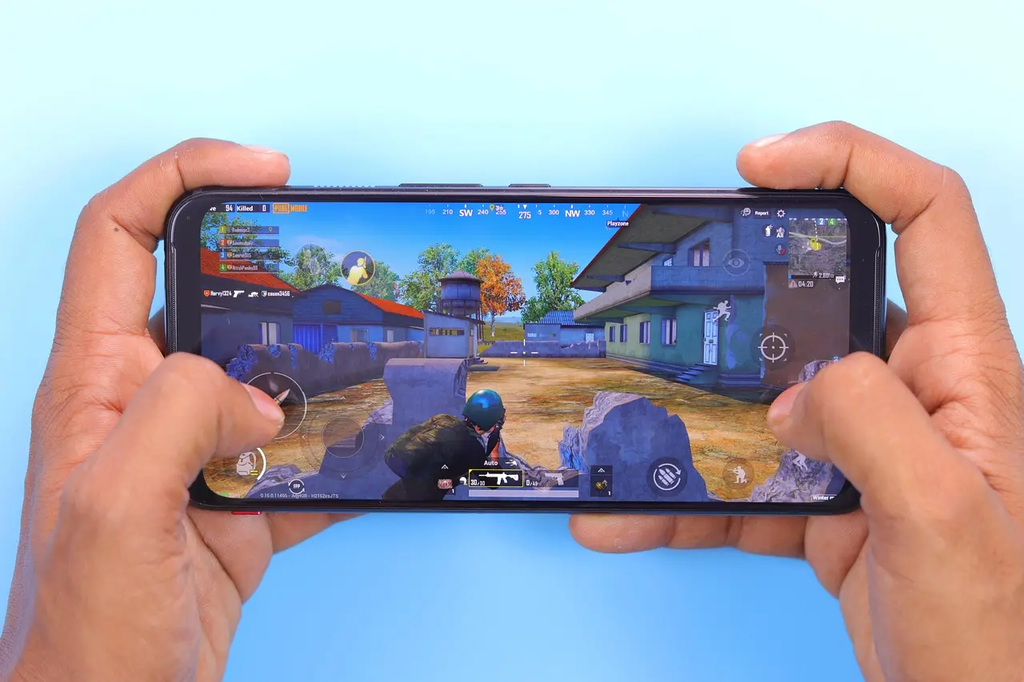
Procedural music and interactive audio refer to soundscapes and musical compositions generated or modified in real-time based on user input or system events. Rather than relying on pre-recorded tracks, these techniques use algorithms to create dynamic, adaptive audio experiences. Commonly used in video games and virtual environments, procedural music and interactive audio enhance immersion by responding to player actions, environment changes, or narrative developments, resulting in a unique auditory experience for each user.
Procedural Music and Interactive Audio
Procedural music and interactive audio refer to soundscapes and musical compositions generated or modified in real-time based on user input or system events. Rather than relying on pre-recorded tracks, these techniques use algorithms to create dynamic, adaptive audio experiences. Commonly used in video games and virtual environments, procedural music and interactive audio enhance immersion by responding to player actions, environment changes, or narrative developments, resulting in a unique auditory experience for each user.

💡 Key Takeaways
- Define procedural music and interactive audio and explain how they differ from traditional pre-recorded soundtracks.
- Describe how real-time algorithms generate or modify music in response to player input and game events.
- Identify techniques such as dynamic layering, adaptive tempo, and rule-based generation used to keep music coherent while changing.
- Discuss how procedural audio enhances immersion and pacing, and mention practical challenges like seamless transitions, performance, and memory usage.
❓ Frequently Asked Questions
What is procedural music in gaming?
Music generated or modified in real time by algorithms rather than fixed pre-recorded tracks, adapting to gameplay and events.
How does interactive audio respond to player input or system events?
Audio changes in real time based on actions, location, and game state, adjusting tempo, instrumentation, volume, and effects to create a responsive soundscape.
What techniques are commonly used for procedural music?
Generative composition, rule-based systems, real-time synthesis, layered modular tracks, and algorithmic variations that aim for musical coherence.
Why is procedural music beneficial in games?
It provides dynamic, replayable soundscapes, reduces storage needs, enhances immersion, and supports storytelling without relying solely on pre-recorded tracks.
What are potential challenges of procedural audio?
Balancing randomness with musical coherence, avoiding repetitive or jarring transitions, and managing performance costs on target hardware.