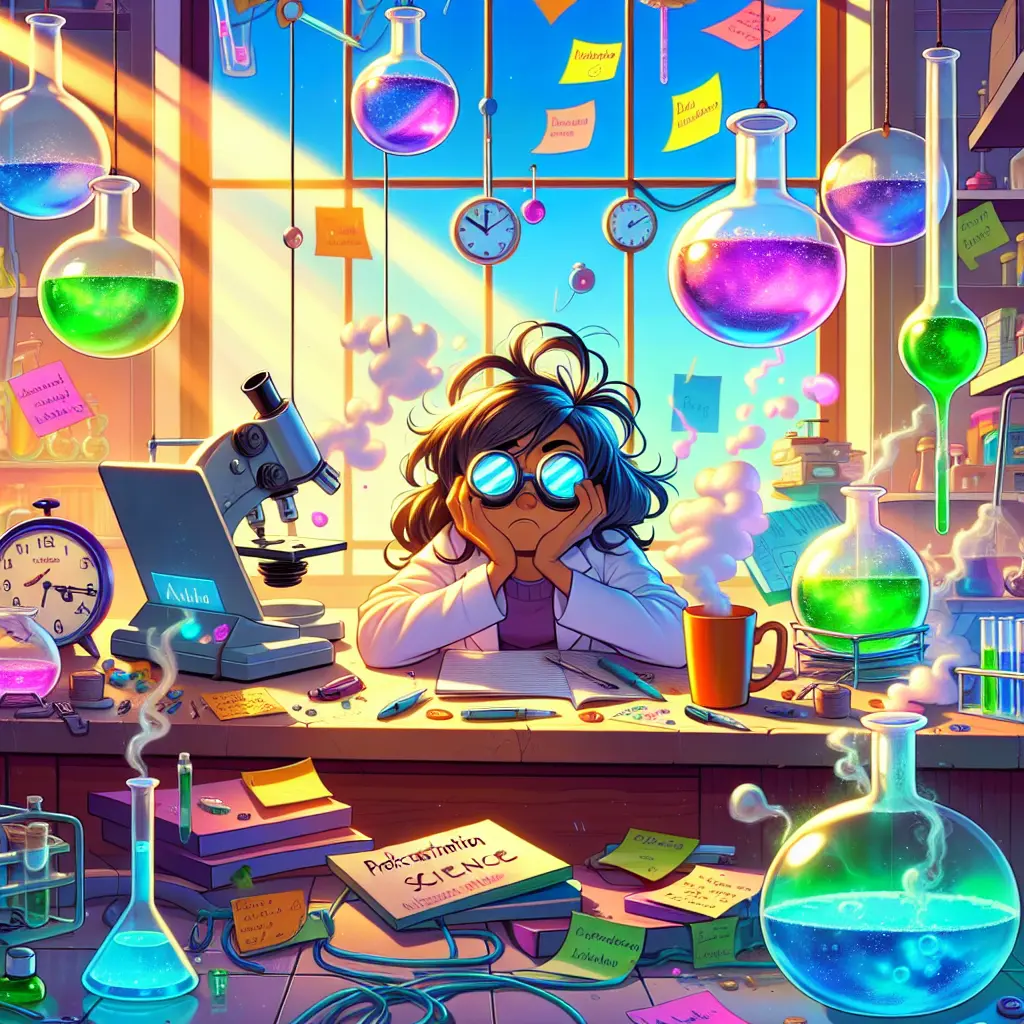
Procrastination science explores the psychological and neurological reasons behind delaying tasks, such as fear of failure, perfectionism, or instant gratification. Research reveals that procrastination is linked to brain regions managing self-control and emotional regulation. Anti-dotes include strategies like breaking tasks into smaller steps, setting deadlines, using rewards, and practicing mindfulness. These approaches help rewire habits, increase motivation, and reduce avoidance, enabling individuals to overcome procrastination and enhance productivity.
Procrastination Science & Anti-dotes
Procrastination science explores the psychological and neurological reasons behind delaying tasks, such as fear of failure, perfectionism, or instant gratification. Research reveals that procrastination is linked to brain regions managing self-control and emotional regulation. Anti-dotes include strategies like breaking tasks into smaller steps, setting deadlines, using rewards, and practicing mindfulness. These approaches help rewire habits, increase motivation, and reduce avoidance, enabling individuals to overcome procrastination and enhance productivity.
💡 Key Takeaways
- Understand how procrastination relates to brain regions responsible for self-control and emotional regulation.
- Identify psychological triggers such as fear of failure and perfectionism that lead to task delay.
- Learn practical antidotes: break tasks into small steps and schedule focused, time-boxed work periods.
- Explore resilience strategies like specific if-then action plans and mindful awareness to reduce avoidance.
❓ Frequently Asked Questions
What is procrastination in the context of mental health?
Delaying tasks despite wanting or needing to do them, often driven by fear of failure, perfectionism, or mood regulation, and linked to brain circuits that handle self-control and emotions.
Which brain areas are involved in procrastination?
Key regions include the prefrontal cortex (planning and self-control), anterior cingulate (conflict monitoring), and the amygdala (emotional responses), with reward circuits like the striatum influencing motivation.
What are common psychological reasons people procrastinate?
Fear of failing or making mistakes, perfectionism, aversion to a task, ambiguity, low confidence, and seeking immediate gratification over long-term goals.
What are practical anti-dotes to procrastination?
Create structure with clear deadlines, break tasks into small steps, use if-then (implementation) planning, time-block tasks, enlist accountability, minimize distractions, and reward progress.
How does addressing procrastination affect mental health and resilience?
Reduces stress and rumination, boosts self-efficacy and consistent effort, and strengthens emotional regulation—supporting better coping and resilience.