Producing a folk music fieldwork documentary involves traveling to communities to record and document traditional music in its authentic setting. The process includes interviewing musicians, capturing live performances, and exploring the cultural context of the music. It requires technical skills in audio and video recording, as well as sensitivity to local customs. The final documentary aims to preserve and share the unique musical heritage of a community with a wider audience.
Producing a folk music fieldwork documentary
Producing a folk music fieldwork documentary involves traveling to communities to record and document traditional music in its authentic setting. The process includes interviewing musicians, capturing live performances, and exploring the cultural context of the music. It requires technical skills in audio and video recording, as well as sensitivity to local customs. The final documentary aims to preserve and share the unique musical heritage of a community with a wider audience.
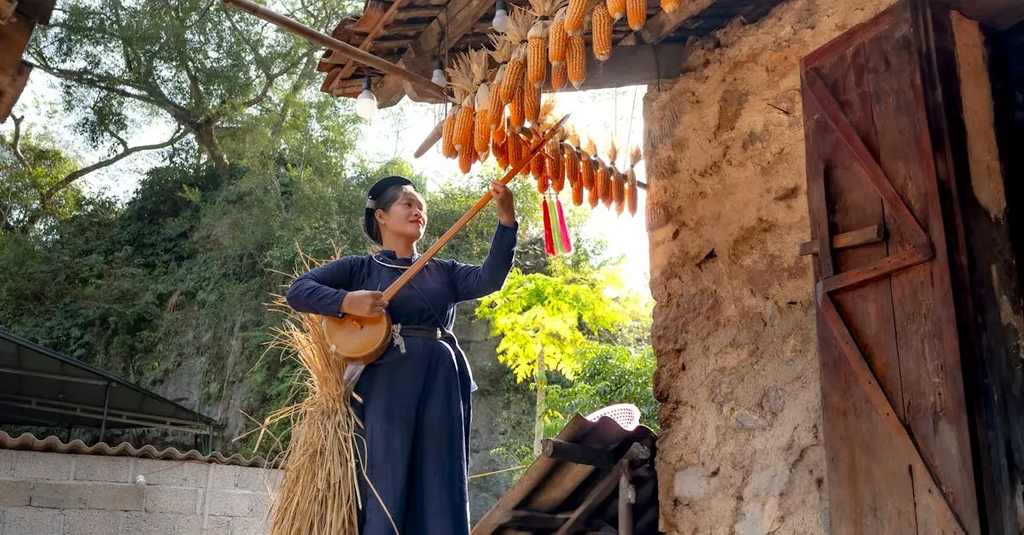
💡 Key Takeaways
- Plan ethical fieldwork by obtaining informed consent and respecting community rights.
- Develop interviewing skills to elicit musicians’ stories and the cultural context behind the music.
- Capture authentic performances on location using appropriate microphone setup and ambient sound.
- Navigate logistics and build trust with communities through respectful planning, permits, and scheduling.
- Edit, present, and archive the material with clear metadata and rights considerations that honor the culture.
❓ Frequently Asked Questions
What is a folk music fieldwork documentary?
A documentary produced by traveling to communities to observe, record, and present traditional folk music in its authentic setting, highlighting performers and the cultural context.
What technical skills are essential for producing one?
Field audio/video recording, handling equipment in outdoor settings, basic lighting, and editing/archiving to organize footage and sound.
How should you approach interviewing musicians in the field?
Build trust, obtain informed consent, ask open-ended questions, listen actively, and respect cultural norms and sensitivities.
What ethical considerations should guide fieldwork?
Respect privacy and rights, secure permissions and distribution rights, credit participants, consider fair compensation, and minimize disruption to communities.
How can you effectively convey cultural context in the documentary?
Pair performances with contextual footage and explanations—place, history, social roles, and meanings of songs—to help viewers understand their significance.