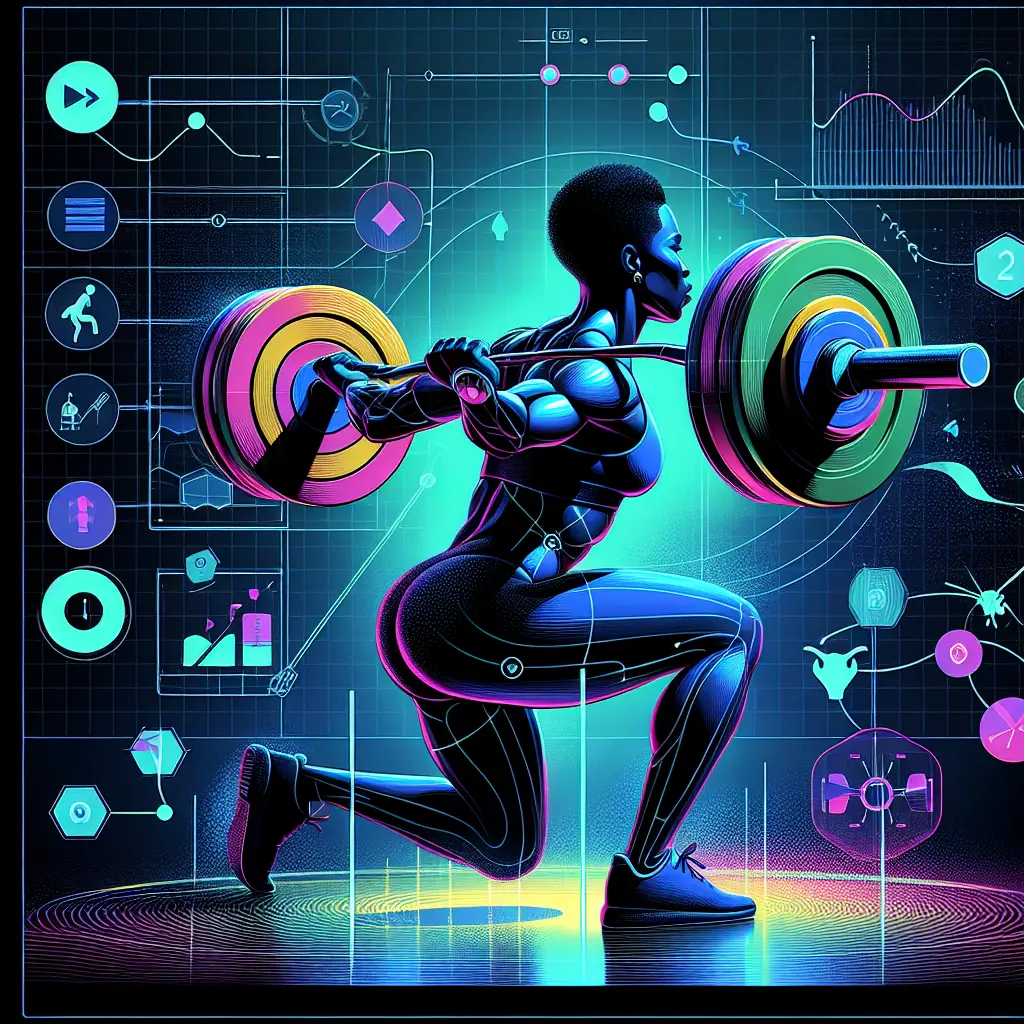
Program design for strength and power involves creating structured training plans that focus on increasing muscular force and explosive ability. It typically includes exercises like squats, deadlifts, and Olympic lifts, programmed with specific sets, reps, and rest intervals to maximize adaptation. Key components are progressive overload, variation, and periodization, ensuring continual improvement while minimizing injury risk. Attention to technique, recovery, and individual needs is essential for optimal results.
Program Design for Strength & Power
Program design for strength and power involves creating structured training plans that focus on increasing muscular force and explosive ability. It typically includes exercises like squats, deadlifts, and Olympic lifts, programmed with specific sets, reps, and rest intervals to maximize adaptation. Key components are progressive overload, variation, and periodization, ensuring continual improvement while minimizing injury risk. Attention to technique, recovery, and individual needs is essential for optimal results.
💡 Key Takeaways
- Understand the difference between maximal strength and power, and how each shapes your program design.
- Identify core strength-and-power exercises (squats, deadlifts, Olympic lifts) and what each targets.
- Learn to structure sets, reps, and rest intervals to maximize strength and power adaptations.
- Explore progression and periodization strategies to peak performance while managing fatigue and injury risk.
- Appreciate how to balance training stress with recovery for sustainable gains.
❓ Frequently Asked Questions
What is the difference between strength and power in a training program?
Strength is the maximum force a muscle can produce in a single effort; power is force produced quickly (explosive strength). Programs for power emphasize speed and explosive lifts alongside heavy work to improve rate of force development.
What are typical sets, reps, and rest intervals for strength vs power?
Strength: about 3–5 sets of 3–6 reps with 2–5 minutes rest. Power: about 3–5 sets of 1–5 reps at high velocity with 2–4 minutes rest; include some lighter, fast work to train speed.
Which exercises are central to a strength & power program, and why?
Core lifts like squats and deadlifts build overall force output. Olympic lifts (snatch, clean & jerk) enhance explosive power and rate of force development. Accessory movements address weaknesses, and technique work ensures safe, effective progress.
How should a program be progressed over time to maximize gains?
Use gradual overload: increase weight, reps, or speed as you adapt. Structure blocks (e.g., accumulation, intensification, peaking) and include deload weeks. Track performance and refine exercise selection and technique.