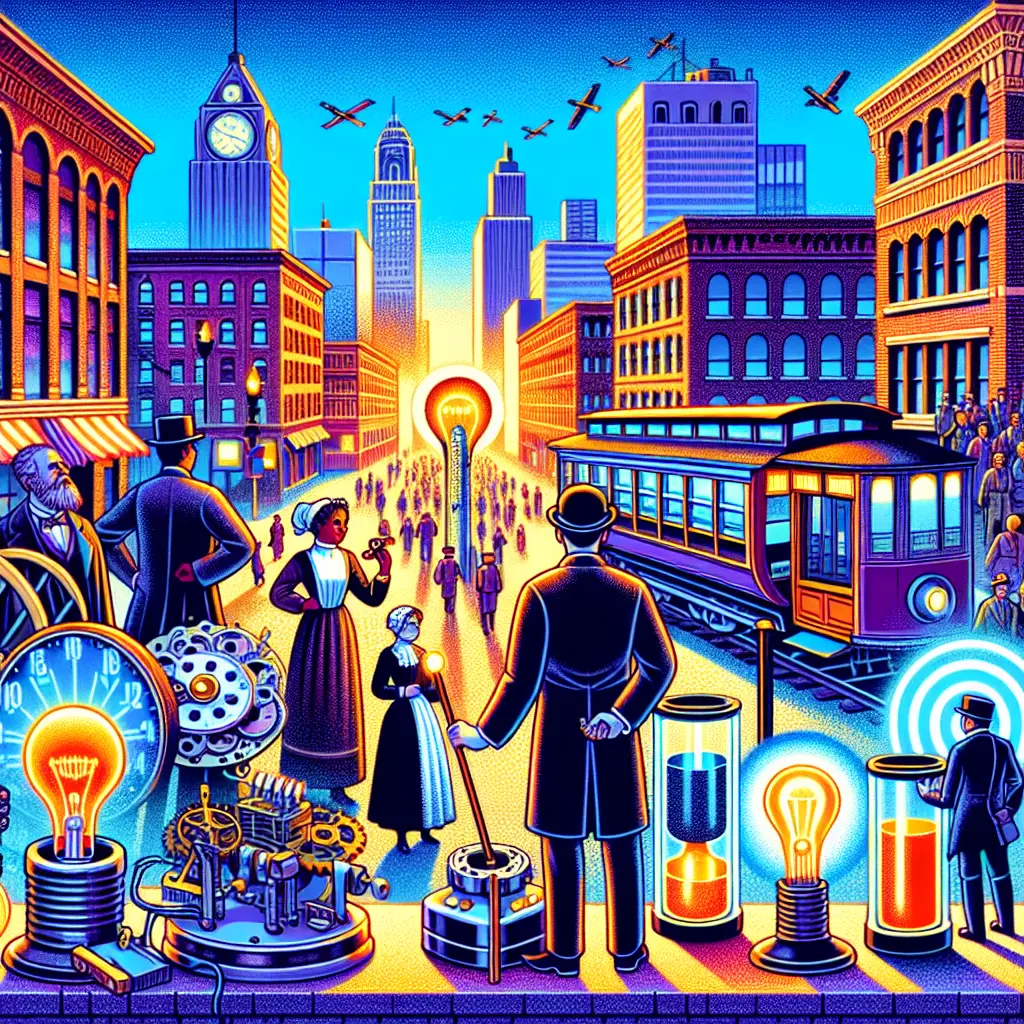
The Progressive Era, spanning the late 19th and early 20th centuries, was marked by widespread social, political, and economic reforms aimed at addressing problems caused by industrialization, urbanization, and corruption. Key reforms included antitrust laws, labor protections, women’s suffrage, and government regulation of food and drugs. Technological advancements such as electricity, automobiles, and improved communication systems also transformed daily life, boosting productivity and reshaping American society during this dynamic period.
Progressive Era Reforms and Technologies
The Progressive Era, spanning the late 19th and early 20th centuries, was marked by widespread social, political, and economic reforms aimed at addressing problems caused by industrialization, urbanization, and corruption. Key reforms included antitrust laws, labor protections, women’s suffrage, and government regulation of food and drugs. Technological advancements such as electricity, automobiles, and improved communication systems also transformed daily life, boosting productivity and reshaping American society during this dynamic period.
💡 Key Takeaways
- Understand how antitrust laws and regulatory agencies curbed corporate power.
- Learn how labor protections and workplace safety reforms improved workers' lives.
- Explore how women's suffrage and other movements expanded democratic rights.
- See how new technologies and reforms modernized health, transportation, and regulation.
❓ Frequently Asked Questions
What was the Progressive Era and what problems did it address?
The Progressive Era (roughly 1890s–1920s) sought to fix issues from rapid industrialization: monopolies, political corruption, urban poverty, unsafe working conditions, and weak government oversight.
What are antitrust laws and why were they central to Progressive reforms?
Antitrust laws promote fair competition and curb monopolies. During the era they targeted powerful trusts to reduce corporate dominance, with key laws like the Sherman Act and Clayton Act guiding enforcement.
What kinds of labor protections emerged during the Progressive Era?
Reforms aimed to improve working conditions, including setting limits on hours, restricting child labor in many places, and enhancing workplace safety and wages, often accompanied by support for unions.
How did the Progressive Era advance women's suffrage and political reforms?
Activists pressed for broader democracy, culminating in the 19th Amendment (1920) granting women the right to vote. Additional reforms expanded citizen participation through mechanisms like initiatives, referendums, recalls, and civil-service improvements.
What role did technology and reform 'tools' play in the Progressive Era?
New approaches such as investigative journalism, expert-driven reforms, and the creation of regulatory agencies and standards helped implement reforms and protect public health and welfare.