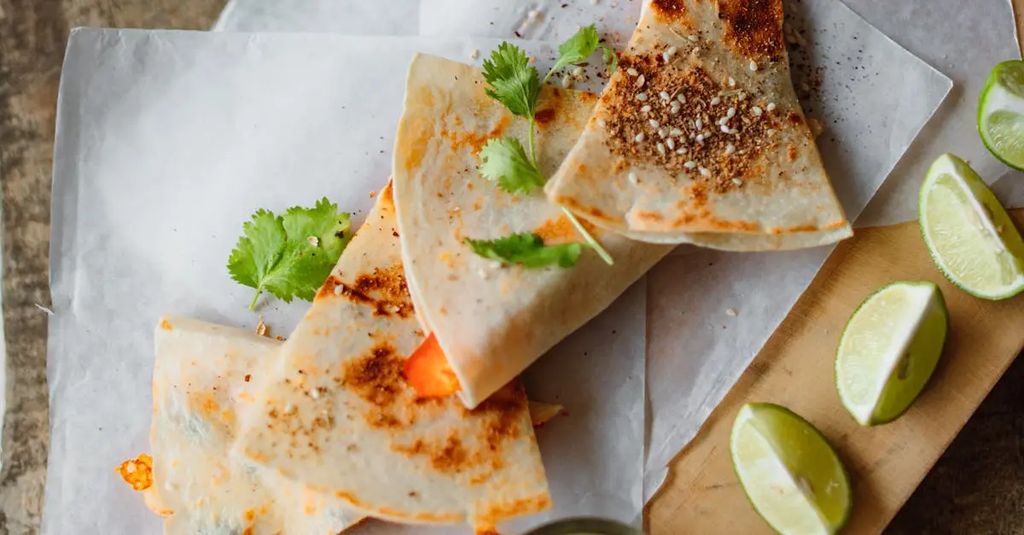
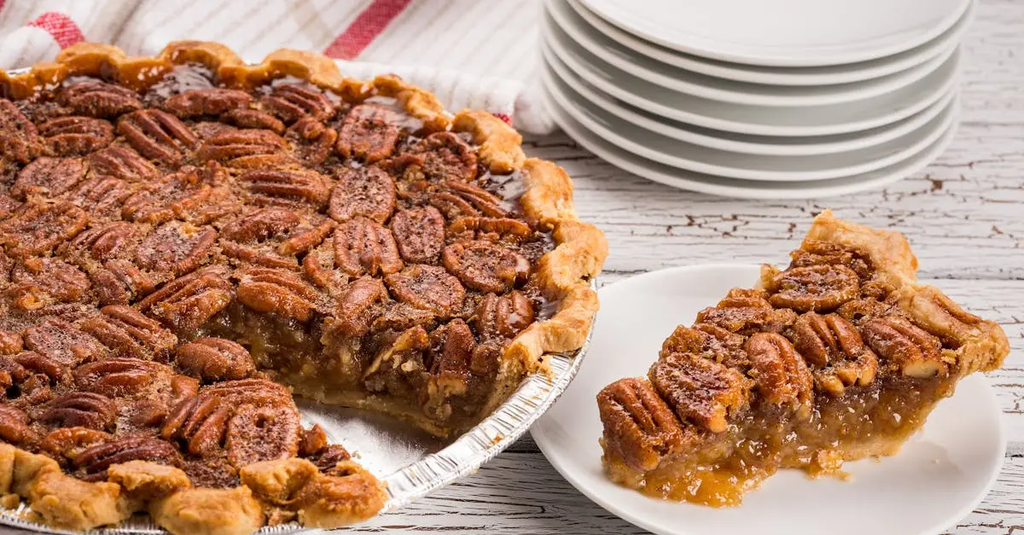
Prohibition drastically altered American dining culture by banning alcohol, leading to the rise of secret speakeasies where illicit drinks were served alongside inventive cuisine. Chefs adapted by creating flavorful, spicy dishes to mask the taste of poorly made liquor, and menus often featured late-night comfort foods. This era fostered creativity in both food and drink, blending diverse culinary influences and establishing new social norms around eating and entertainment in clandestine settings.
Prohibition's impact on dining and speakeasy cuisine
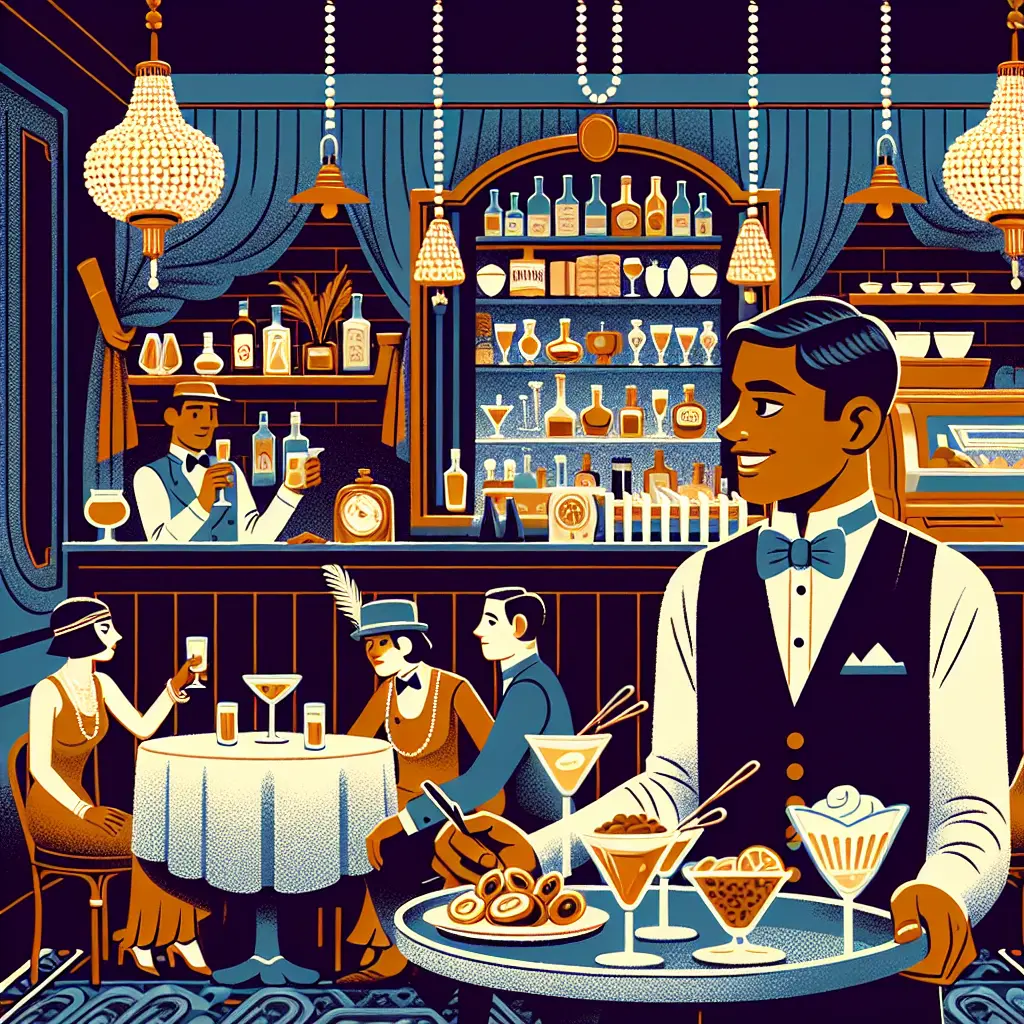
Prohibition drastically altered American dining culture by banning alcohol, leading to the rise of secret speakeasies where illicit drinks were served alongside inventive cuisine. Chefs adapted by creating flavorful, spicy dishes to mask the taste of poorly made liquor, and menus often featured late-night comfort foods. This era fostered creativity in both food and drink, blending diverse culinary influences and establishing new social norms around eating and entertainment in clandestine settings.
💡 Key Takeaways
- Understand how Prohibition reshaped American dining by banning alcohol and fostering secret speakeasies.
- Learn how chefs used bold, spicy flavors to mask the taste of rough liquor.
- Discover how speakeasies influenced late-night menus and drink–food pairings.
- See the lasting impact of Prohibition on American culinary history and dining culture.
❓ Frequently Asked Questions
What was Prohibition and how did it affect dining culture?
Prohibition (1920–1933) banned alcohol, pushing illicit bars called speakeasies into the social scene and prompting restaurants to adapt their menus to accompany secret drinks.
What is a speakeasy and why did they rise during Prohibition?
A speakeasy was a hidden, often password-protected bar where people could illegally obtain alcohol. They became popular as underground social hubs pairing drinks with inventive food.
How did chefs respond to Prohibition in speakeasies?
Chefs developed bold, inventive dishes and spicy flavors to pair with cocktails and, at times, to mask the taste of subpar liquor, keeping guests satisfied late into the night.
What kinds of dishes were common in speakeasy cuisine?
Late-night menus featured hearty, shareable items like deviled eggs, fried chicken, sandwiches, pickled foods, and other small plates designed to complement cocktails.