Project Mercury was the United States’ first human spaceflight program, launched by NASA between 1958 and 1963. Its primary goal was to put a man into Earth orbit and return him safely. Notable missions included Alan Shepard’s historic suborbital flight in Freedom 7 and John Glenn’s first American orbital flight in Friendship 7. Project Mercury achieved significant milestones, proving humans could survive and work in space, setting the stage for future Gemini and Apollo missions.
Project Mercury: Missions and Milestones+50
Project Mercury was the United States’ first human spaceflight program, launched by NASA between 1958 and 1963. Its primary goal was to put a man into Earth orbit and return him safely. Notable missions included Alan Shepard’s historic suborbital flight in Freedom 7 and John Glenn’s first American orbital flight in Friendship 7. Project Mercury achieved significant milestones, proving humans could survive and work in space, setting the stage for future Gemini and Apollo missions.
💡 Key Takeaways
- Understand Mercury's goal to put a man in Earth orbit and return him safely as NASA's first crewed program.
- Identify key milestones, notably Alan Shepard's Freedom 7 suborbital flight and John Glenn's orbital mission aboard Friendship 7.
- Grasp the progression from suborbital to orbital flight and the safety and technical challenges overcome.
- Recognize Mercury's legacy in paving the path for later programs like Gemini and Apollo.
❓ Frequently Asked Questions
What was Project Mercury?
NASA's first U.S. human spaceflight program (1958–1963) with the goal of putting a man into Earth orbit and returning him safely.
Which key milestones are highlighted in Mercury?
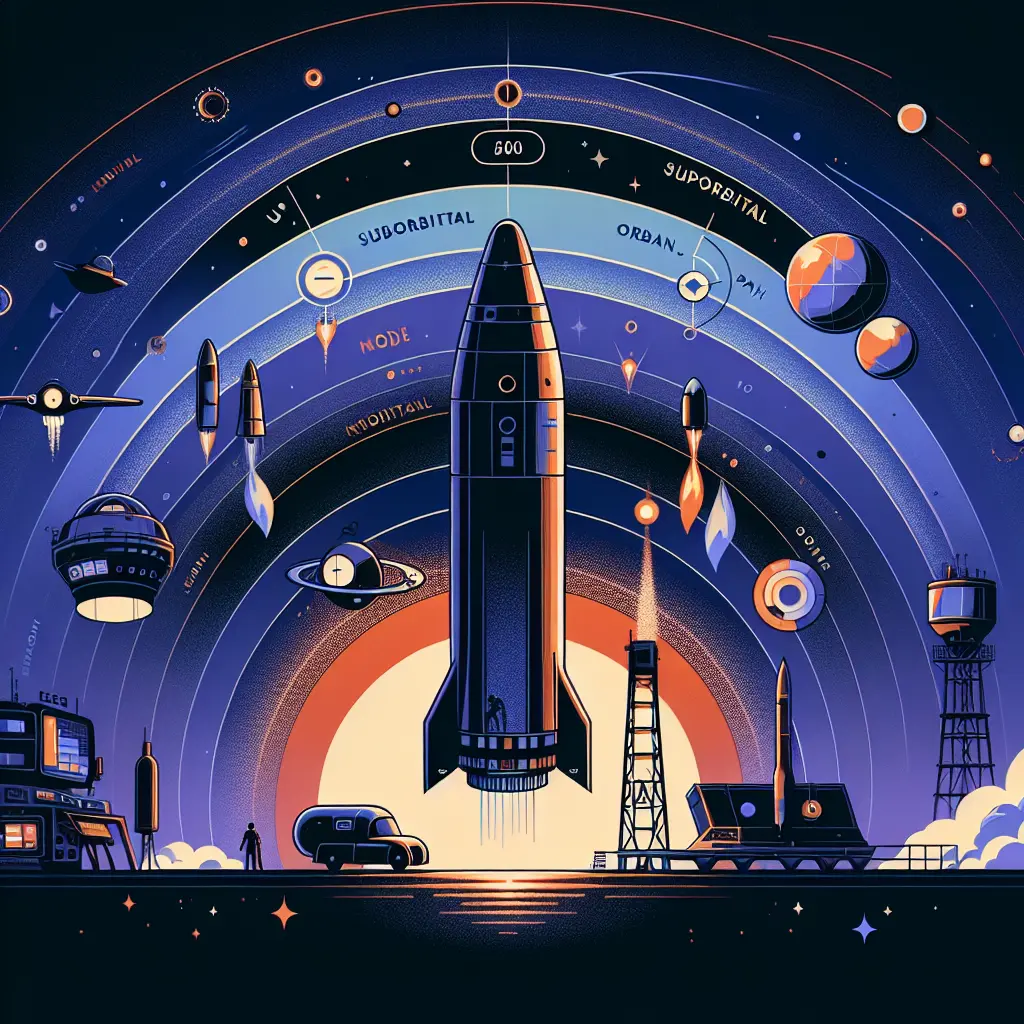
Alan Shepard's suborbital flight on Freedom 7 and John Glenn's orbital flight on Friendship 7, marking the first U.S. suborbital and orbital spaceflights.
What rockets were used in Project Mercury?
Mercury-Redstone rockets for suborbital missions and Mercury-Atlas rockets for orbital missions.
Why is Mercury important for space history?
It proved humans could travel to space and safely return, establishing the framework for later programs like Gemini and Apollo.