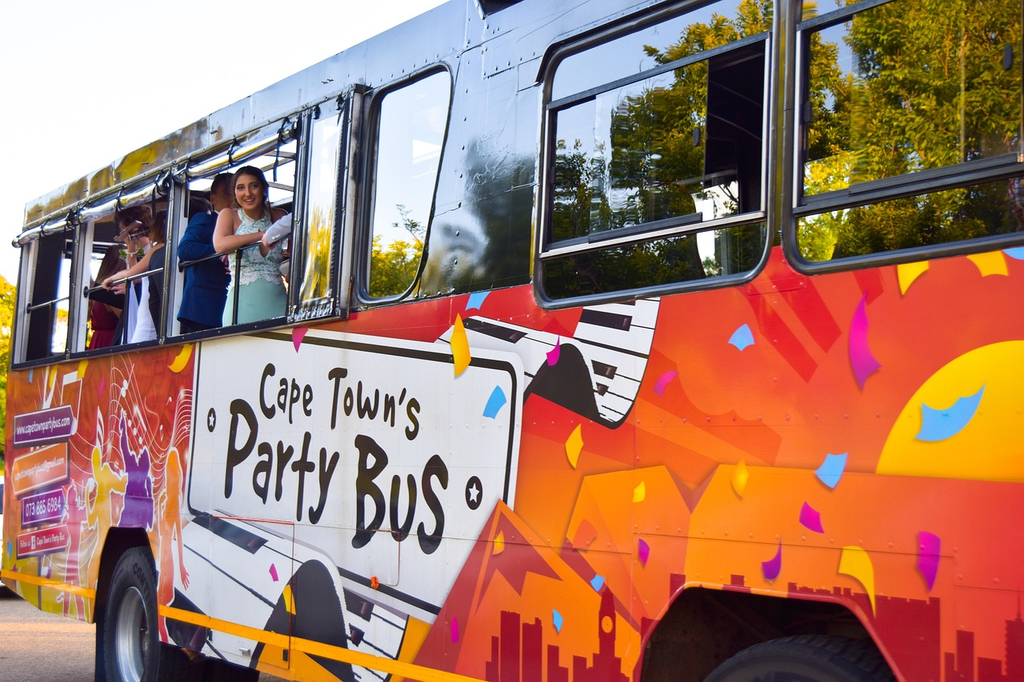
Prom serves as a significant social event in many high schools, often reflecting and reinforcing existing social hierarchies. It highlights popularity, social status, and group affiliations, with certain students—like prom kings, queens, or those in popular cliques—receiving special recognition. The event can intensify feelings of inclusion or exclusion, as invitations, dates, and group dynamics often mirror the broader social structure within the school community.
Prom and Social Hierarchies
Prom serves as a significant social event in many high schools, often reflecting and reinforcing existing social hierarchies. It highlights popularity, social status, and group affiliations, with certain students—like prom kings, queens, or those in popular cliques—receiving special recognition. The event can intensify feelings of inclusion or exclusion, as invitations, dates, and group dynamics often mirror the broader social structure within the school community.

💡 Key Takeaways
- Identify common social hierarchies that emerge around prom and how they shape experiences.
- Understand how peer pressure and status dynamics can influence prom decisions and interactions.
- Explore inclusive planning strategies to involve all students and reduce exclusion at prom events.
- Learn respectful communication and conflict-resolution tips to navigate prom-related social tensions.
❓ Frequently Asked Questions
What does 'social hierarchy' mean in a prom setting?
It refers to the informal ranking of students based on visibility, popularity, and social connections—affecting who sits with whom, who gets invited to groups, and who gets attention.
What are common signals of popularity at prom?
Invitations to central groups, being asked to dance or lead photos, and wearing outfits that draw attention.
How can prom dynamics affect newcomers or those on the fringe?
Newcomers may feel left out or pressured to conform, which can impact their comfort and enjoyment.
What can you do to foster a more inclusive prom experience?
Be inclusive, invite a mix of peers, participate in group activities, and support peers who feel left out.