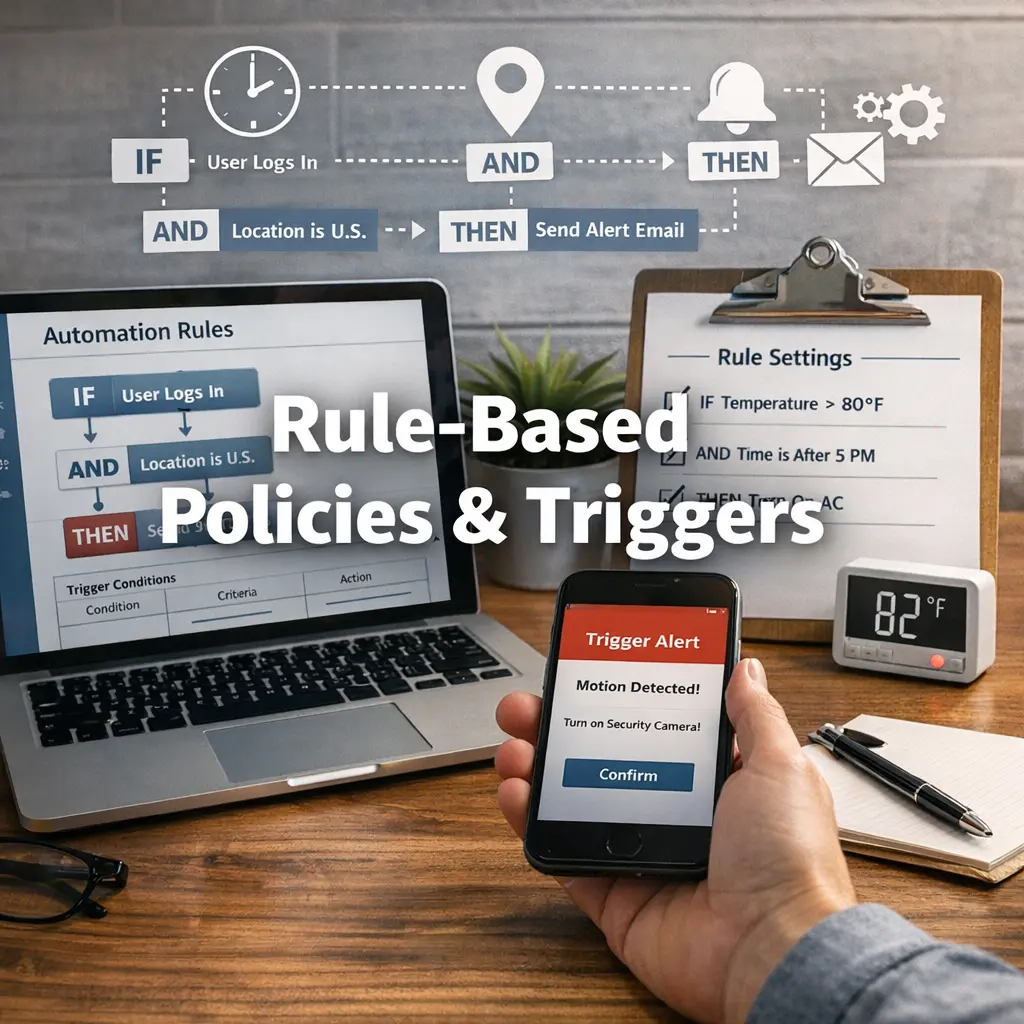
Prompt-Chaining Fundamentals in Agent Architecture refers to the technique of linking multiple prompts together to enable complex, multi-step reasoning or task completion by AI agents. Each prompt builds upon the previous response, allowing the agent to break down tasks, maintain context, and achieve more sophisticated objectives. This approach enhances the agent’s ability to handle nuanced workflows, improving accuracy, coherence, and adaptability in executing sequential or conditional operations.
Prompt-Chaining Fundamentals
Prompt-Chaining Fundamentals in Agent Architecture refers to the technique of linking multiple prompts together to enable complex, multi-step reasoning or task completion by AI agents. Each prompt builds upon the previous response, allowing the agent to break down tasks, maintain context, and achieve more sophisticated objectives. This approach enhances the agent’s ability to handle nuanced workflows, improving accuracy, coherence, and adaptability in executing sequential or conditional operations.
💡 Key Takeaways
- Understand what prompt chaining is and why it's useful for tackling multi-step tasks
- Break complex tasks into sequential prompts with clear goals and input/output boundaries
- Maintain context by passing intermediate results and state between steps to ensure coherence
- Test, debug, and refine chained prompts, including handling errors and drift
❓ Frequently Asked Questions
What is prompt chaining?
Prompt chaining is a method that uses multiple prompts in sequence to guide a model through a task, often yielding more accurate or structured results.
When should you use prompt chaining?
Use it for tasks that require multi-step reasoning, planning, or verification, where a single prompt may be insufficient.
What are the typical steps in a prompt chaining workflow?
Define the goal, craft an initial prompt, generate results, use follow-up prompts to expand or verify, and consolidate the final answer.
How does prompt chaining relate to chain-of-thought?
It often encourages step-by-step reasoning across prompts, but you can design it to obtain explicit steps or to produce an answer without exposing internal reasoning.
What are best practices and common pitfalls?
Be explicit about outputs, test prompts on edge cases, keep steps modular to prevent drift, and check outputs for consistency.