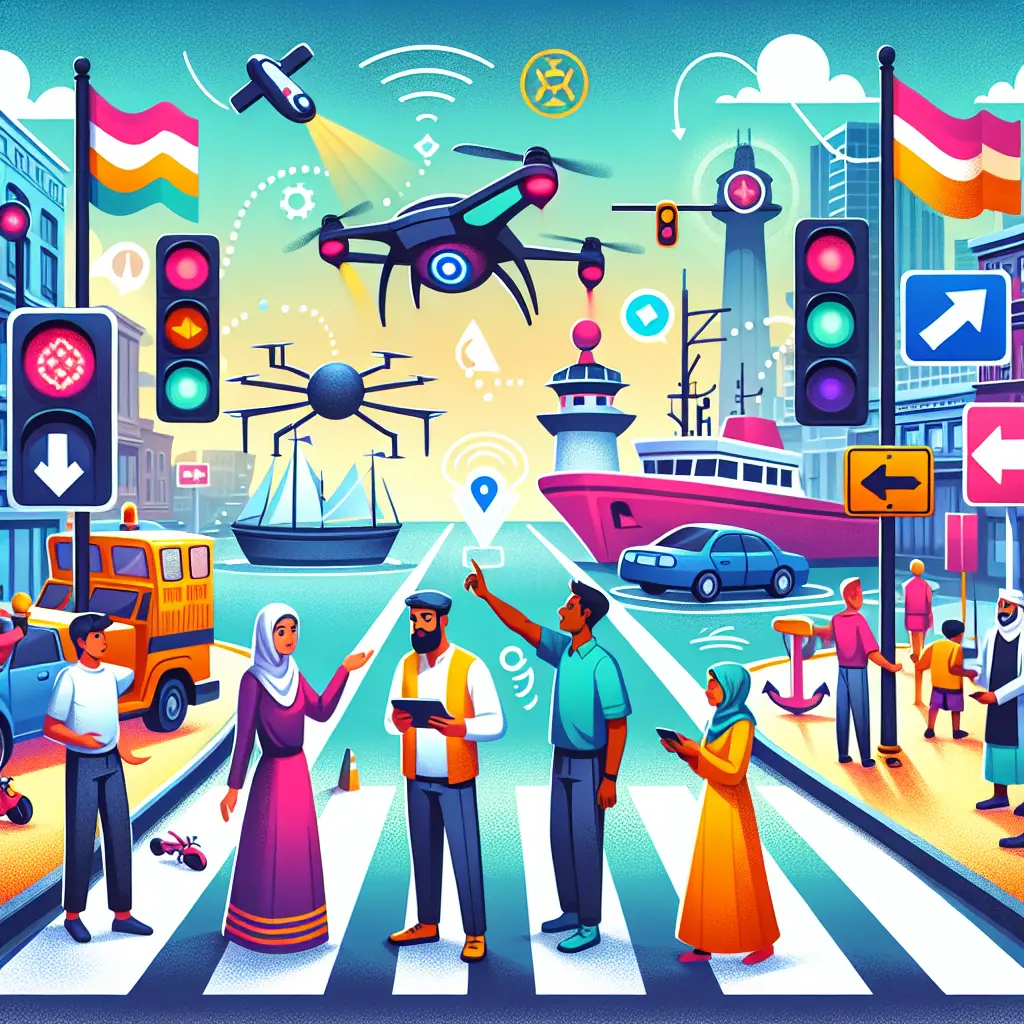
Proper signaling and communication refer to the clear and timely exchange of information between individuals or groups to ensure mutual understanding and coordinated actions. This involves using agreed-upon signals, gestures, or language to convey intentions, instructions, or warnings. Effective signaling and communication help prevent misunderstandings, enhance safety, and improve efficiency, especially in environments where coordination is critical, such as traffic, teamwork, or emergency situations.
Proper Signaling & Communication
Proper signaling and communication refer to the clear and timely exchange of information between individuals or groups to ensure mutual understanding and coordinated actions. This involves using agreed-upon signals, gestures, or language to convey intentions, instructions, or warnings. Effective signaling and communication help prevent misunderstandings, enhance safety, and improve efficiency, especially in environments where coordination is critical, such as traffic, teamwork, or emergency situations.
💡 Key Takeaways
- Understand standard signaling methods (turn signals, brake lights, hazard lights) and how they communicate driving intentions.
- Learn when and how to signal in various scenarios such as lane changes, turns, and merging to improve predictability.
- Develop effective nonverbal communication with pedestrians and other road users through eye contact, deliberate gestures, and positioning.
- Identify common signaling mistakes and how to correct them to prevent miscommunication and reduce crash risk.
❓ Frequently Asked Questions
What is proper signaling in driving and commuting?
Proper signaling is the clear, timely use of signals to communicate intentions to others, such as turn signals, brake lights, and, when needed, hand signals, to coordinate actions and prevent surprises.
When should you signal while driving or cycling?
Signal before turning, changing lanes, merging, exiting, or slowing down, and keep the signal on until the maneuver is completed so others can anticipate your actions.
What are common hand signals, and when might you use them?
Common hand signals are: left arm straight out for a left turn, left arm bent upward for a right turn, and left arm pointed downward for stopping. Use them if your signals fail or if you are a cyclist who relies on hand signals; otherwise rely on standard indicators.
How does signaling help reduce road risk?
Signaling communicates your intended actions to others, giving them time to react, maintain safe distances, and adjust speed and position, which reduces the chance of collisions.