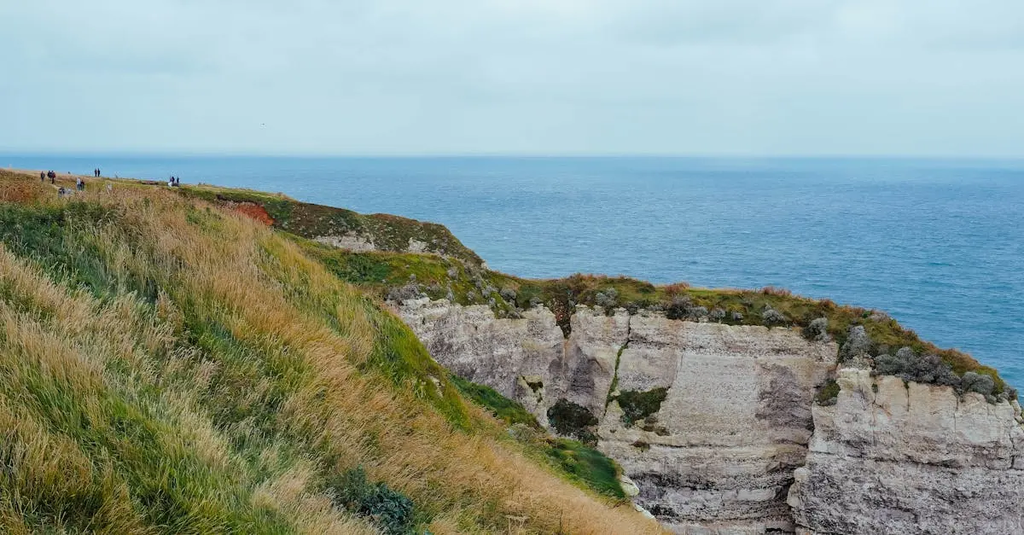
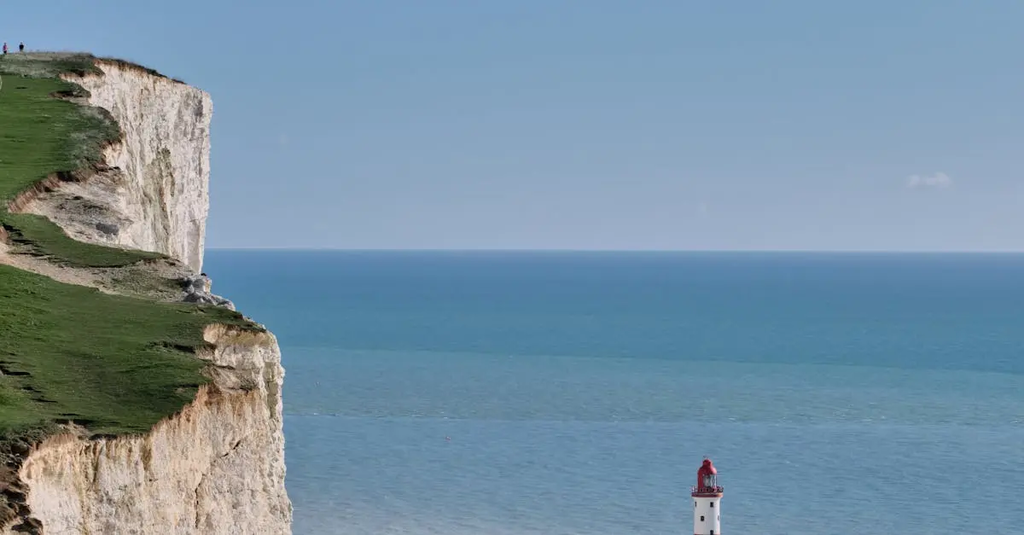
Protected areas are regions designated for conservation due to their environmental, scientific, or scenic value. Areas of Outstanding Natural Beauty (AONBs) are recognized for their remarkable landscapes. Sites of Special Scientific Interest (SSSIs) protect important wildlife habitats, geological formations, or rare species. National Nature Reserves are established to conserve vital ecosystems and provide opportunities for scientific research. Together, these areas help safeguard biodiversity and natural heritage for future generations.
Protected areas: AONBs, SSSIs, and national nature reserves
Protected areas are regions designated for conservation due to their environmental, scientific, or scenic value. Areas of Outstanding Natural Beauty (AONBs) are recognized for their remarkable landscapes. Sites of Special Scientific Interest (SSSIs) protect important wildlife habitats, geological formations, or rare species. National Nature Reserves are established to conserve vital ecosystems and provide opportunities for scientific research. Together, these areas help safeguard biodiversity and natural heritage for future generations.
💡 Key Takeaways
- Differentiate AONBs, SSSIs, and national nature reserves and explain what each designation protects (landscape, habitats/geology, national importance).
- Explain why protected areas are designated: environmental conservation, scientific study, and preserving scenic beauty.
- Learn common protections and restrictions in these areas and how management balances conservation with public access.
- Recognize typical features protected (landscape in AONBs; wildlife habitats and geology in SSSIs; national nature reserves as sites of national importance) and why they matter for biodiversity.
❓ Frequently Asked Questions
What is a protected area?
A protected area is a place designated for conservation because of its environmental, scientific, or scenic value, with rules to safeguard its special features.
What is an Area of Outstanding Natural Beauty (AONB)?
An AONB is an area designated for its exceptional landscapes, with aims to conserve and enhance natural beauty through planning protections.
What is a Site of Special Scientific Interest (SSSI)?
An SSSI protects important wildlife habitats or geological features, providing legal protections and requiring consent for activities that could damage the site.
What is a national nature reserve (NNR) and how does it differ from AONBs and SSSIs?
An NNR is a nationally important site set aside for conservation and scientific research, focusing on protecting habitats and species, often with specific management rules that may differ from those of AONBs and SSSIs.