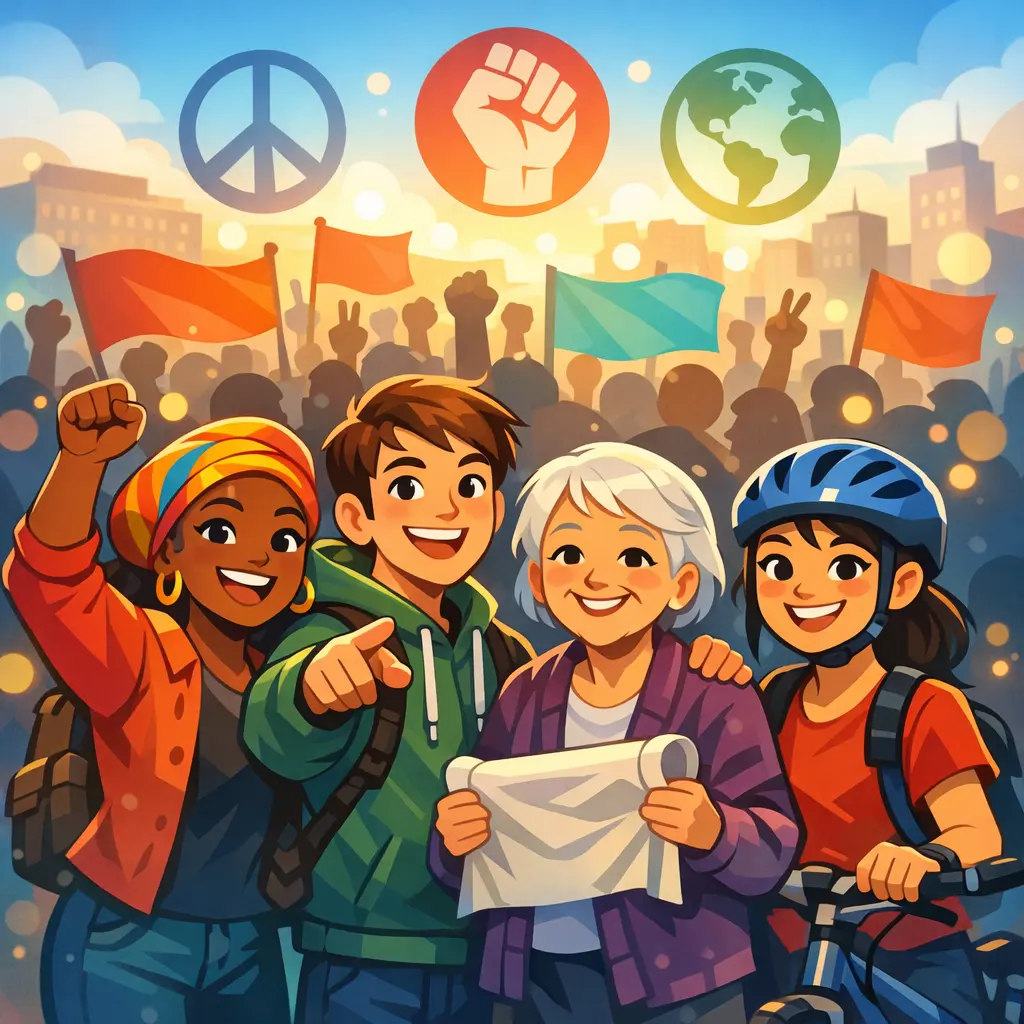
Protest repertoires refer to the diverse tactics, symbols, and strategies groups use to express dissent and demand change. In the context of civil resistance, these repertoires are shaped by cultural, religious, and societal norms, influencing how communities mobilize and sustain movements. Culture and religion can provide shared meanings, rituals, and moral frameworks, empowering collective action and shaping the legitimacy and effectiveness of civil resistance within a society.
Protest Repertoires & Civil Resistance
Protest repertoires refer to the diverse tactics, symbols, and strategies groups use to express dissent and demand change. In the context of civil resistance, these repertoires are shaped by cultural, religious, and societal norms, influencing how communities mobilize and sustain movements. Culture and religion can provide shared meanings, rituals, and moral frameworks, empowering collective action and shaping the legitimacy and effectiveness of civil resistance within a society.
💡 Key Takeaways
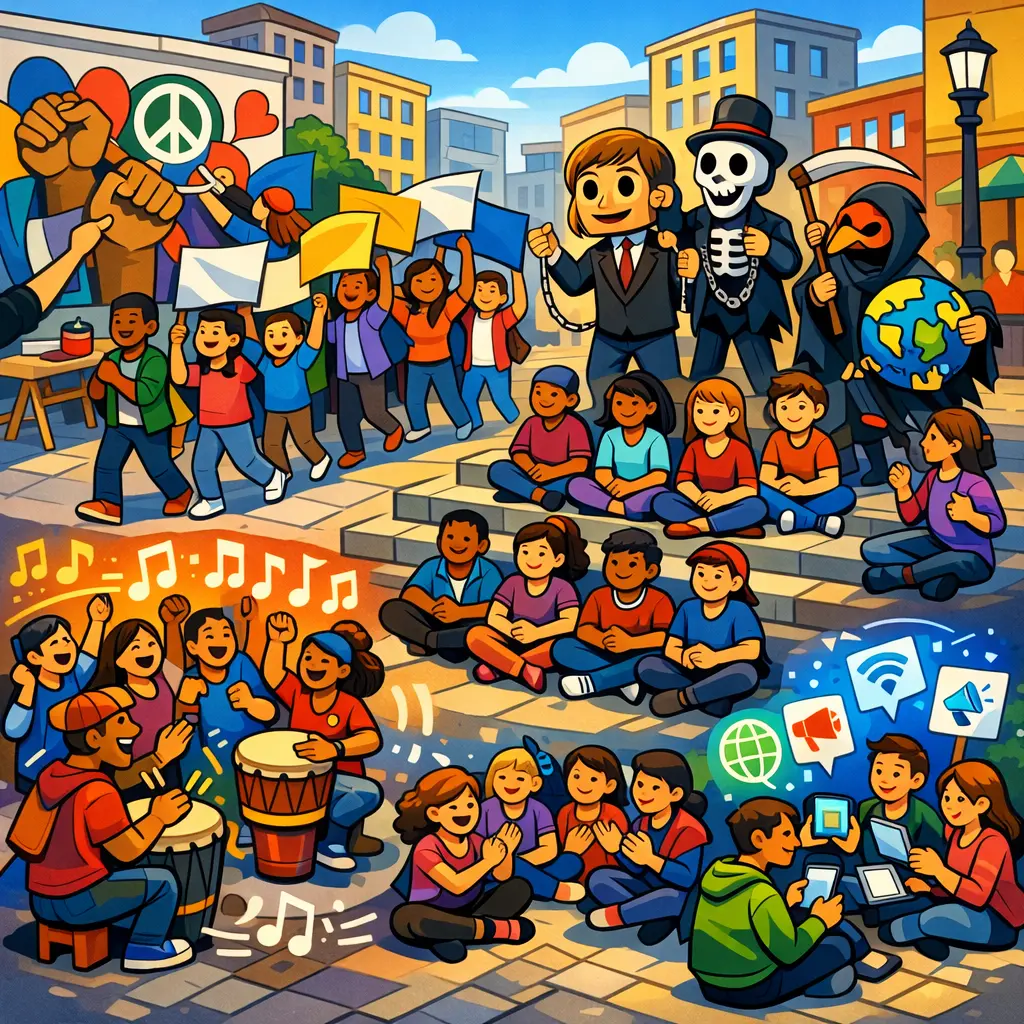
- Identify common protest repertoires used in civil resistance (e.g., marches, strikes, boycotts, sit-ins, petitions).
- Explain how nonviolent tactics can pressure authorities and mobilize public support.
- Compare organized campaigns with spontaneous actions and discuss how context shapes repertoire choice.
- Evaluate factors that affect the effectiveness and risks of different protest strategies.
❓ Frequently Asked Questions
What is civil resistance?
Civil resistance is nonviolent collective action aimed at pressuring authorities to concede to demands, using tactics like protests, strikes, boycotts, and civil disobedience without violence.
What does the term 'protest repertoire' mean?
A protest repertoire is the range of tactics a social movement uses to pursue its goals, chosen based on context, objectives, risks, and potential impact.
What are common examples of protest repertoires?
Examples include public demonstrations (marches, rallies), sit-ins and occupations, strikes, boycotts, petitions and letter-writing campaigns, civil disobedience, and online or symbolic actions.
What factors influence the success of protest repertoires?
Factors include strategic choice, nonviolent discipline, organizational strength, political opportunities, media visibility, public support, government response, and international attention.