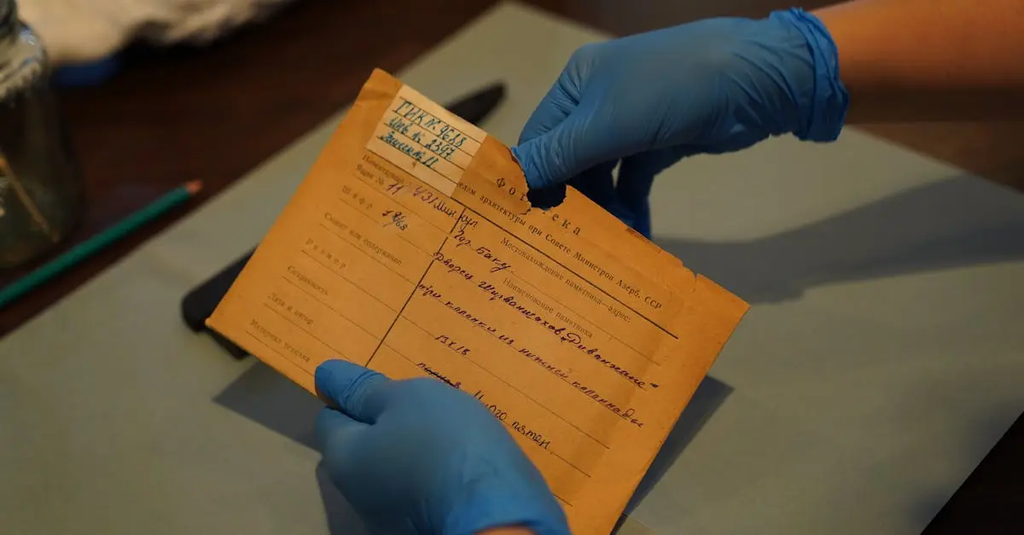
Provenance research in art history involves tracing the ownership and history of artworks to establish authenticity, legal title, and historical context. Restitution refers to the return of artworks to rightful owners, often addressing losses due to theft, war, or colonialism. Together, these practices are crucial for ethical stewardship, transparency, and justice in the art world, particularly regarding works displaced during significant historical movements and conflicts.
Provenance Research & Restitution
Provenance research in art history involves tracing the ownership and history of artworks to establish authenticity, legal title, and historical context. Restitution refers to the return of artworks to rightful owners, often addressing losses due to theft, war, or colonialism. Together, these practices are crucial for ethical stewardship, transparency, and justice in the art world, particularly regarding works displaced during significant historical movements and conflicts.

💡 Key Takeaways
- Understand what provenance research is and why it matters for art and cultural heritage.
- Identify sources and methods used to trace ownership history (archives, auction records, catalogues, dealer records).
- Explain how restitution processes work and the roles of museums, claimants, and international norms.
- Recognize ethical considerations and challenges in provenance research and restitution, including gaps in records and forgeries.
❓ Frequently Asked Questions
What is provenance research?
The systematic tracing of a work's ownership and transaction history to establish its origin, authenticity, and whether it was looted or illicitly traded.
What is restitution in the art world?
Returning a work to its rightful owner or heirs when it was looted or improperly transferred, often through negotiation or legal action.
What are typical steps in a provenance investigation?
Gather archival records (sales catalogs, inventories), reconstruct the ownership chain, consult experts, assess gaps or forgeries, engage with current holders, and pursue a resolution.
What frameworks guide restitution?
Key frameworks include the Washington Principles (1998) encouraging voluntary restitution of Nazi-looted art, and the UNIDROIT Convention (1995) on stolen or illegally exported cultural objects; many countries have their own laws and procedures.