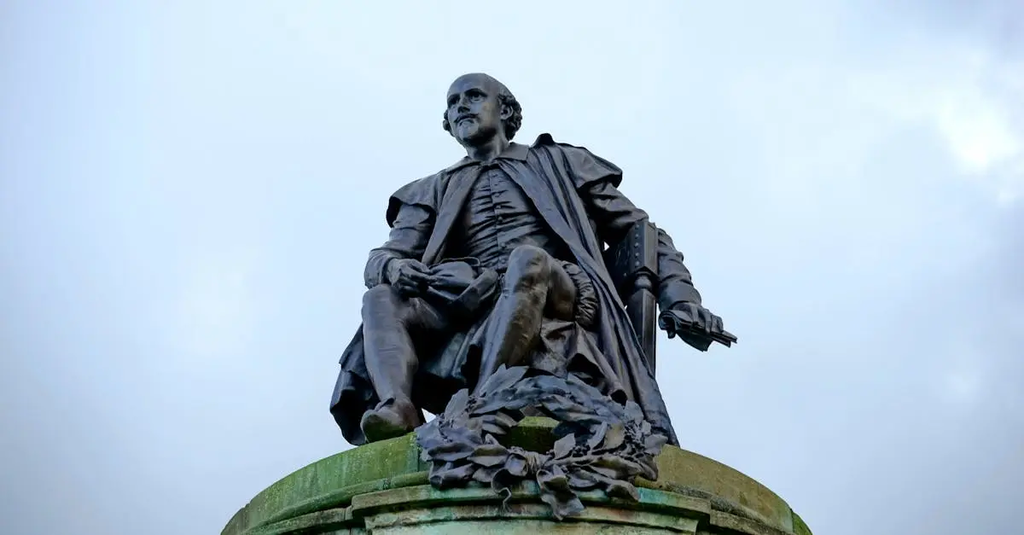
Provenance research in British art involves tracing the ownership history of artworks to establish their authenticity, origins, and legal status. This meticulous process examines records such as sales receipts, exhibition catalogs, and archival documents. It helps uncover the journey of an artwork through time, revealing information about previous owners, historical context, and potential issues of theft or restitution. Provenance research is essential for museums, collectors, and scholars to ensure ethical acquisition and accurate art historical understanding.
Provenance research in British art
Provenance research in British art involves tracing the ownership history of artworks to establish their authenticity, origins, and legal status. This meticulous process examines records such as sales receipts, exhibition catalogs, and archival documents. It helps uncover the journey of an artwork through time, revealing information about previous owners, historical context, and potential issues of theft or restitution. Provenance research is essential for museums, collectors, and scholars to ensure ethical acquisition and accurate art historical understanding.

💡 Key Takeaways
- Understand what provenance research is and why it's essential for authenticity, origins, and legal status of British artworks.
- Learn the key sources used in provenance research (sales receipts, exhibition catalogs, archival documents, auction records) and what each reveals about a work's history.
- See how provenance helps establish attribution, track ownership, and support decisions on rightful ownership or repatriation.
- Identify common challenges (gaps in records, forgeries, misattributions, looted or stolen works) and how researchers address them.
❓ Frequently Asked Questions
What is provenance research in British art?
A systematic study of an artwork’s ownership history in Britain to confirm authenticity, origin, and legal title.
What kinds of records are used in provenance research?
Sales receipts, gallery and auction house records, exhibition catalogs, and archival documents from libraries or museums.
Why is provenance important for authentication and attribution?
It provides a documented ownership trail that helps verify attribution to the artist, detect forgeries, and confirm legal ownership.
What can provenance reveal about the journey of an artwork?
The timeline of ownership, exhibitions, sales, and transfers, and it can highlight gaps or suspicious periods needing further investigation.