Psychoanalytic approaches to British modernism explore how writers like Virginia Woolf and James Joyce depict the unconscious, repression, and fragmented identities. Drawing on Freud’s theories, critics analyze characters’ inner conflicts, dreams, and desires, revealing hidden motivations beneath surface narratives. This lens highlights how modernist literature experiments with stream-of-consciousness, symbolism, and narrative ambiguity to reflect psychological depth and the complexities of the human mind in early twentieth-century Britain.
Psychoanalytic approaches to British modernism
Psychoanalytic approaches to British modernism explore how writers like Virginia Woolf and James Joyce depict the unconscious, repression, and fragmented identities. Drawing on Freud’s theories, critics analyze characters’ inner conflicts, dreams, and desires, revealing hidden motivations beneath surface narratives. This lens highlights how modernist literature experiments with stream-of-consciousness, symbolism, and narrative ambiguity to reflect psychological depth and the complexities of the human mind in early twentieth-century Britain.
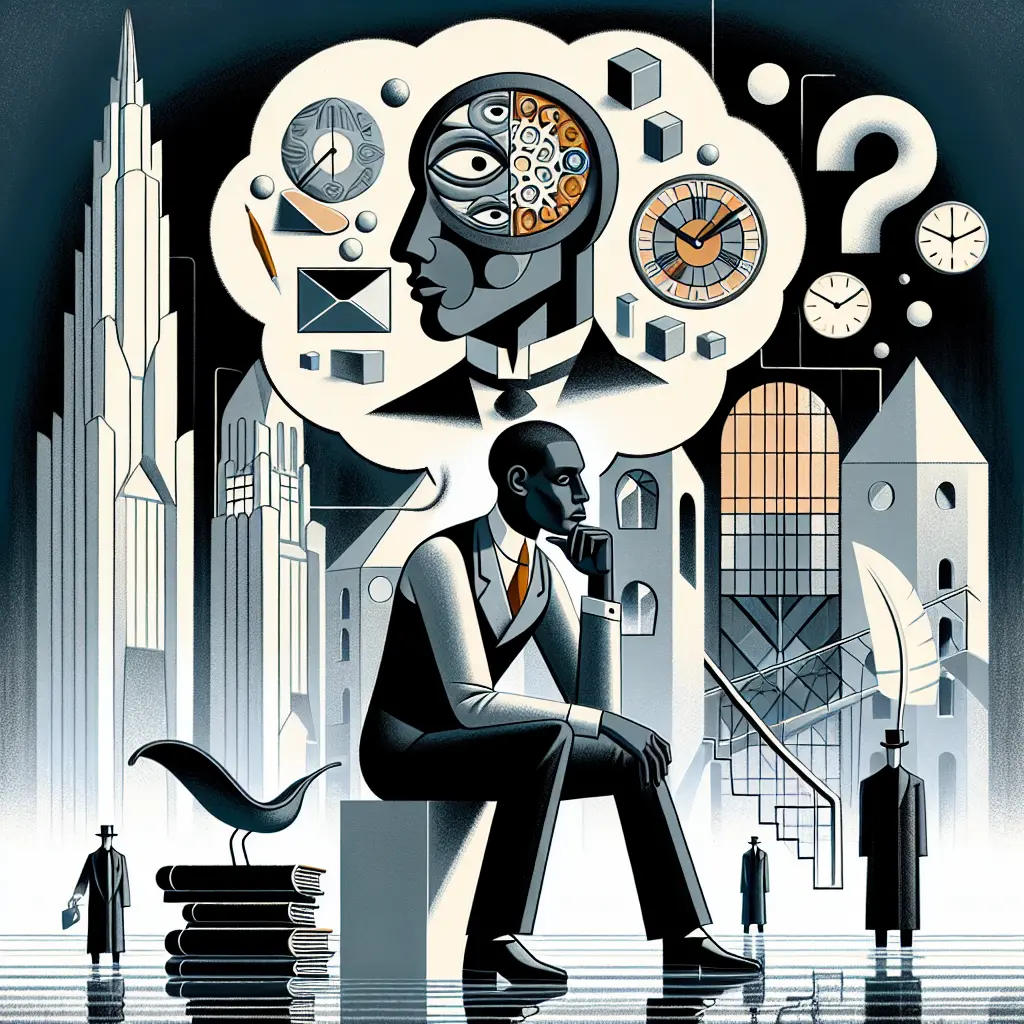
💡 Key Takeaways
- Understand how Freud's concepts of the unconscious, repression, and desire illuminate character psychology in Woolf, Joyce, and British modernism.
- Learn to read dreams, fantasies, and inner monologues as windows into characters' hidden motivations beneath the narrative surface.
- Examine how stream-of-consciousness and fragmented identities reflect psychological states and tensions.
- Compare psychoanalytic readings to identify recurring motifs—memory, sexuality, and anxiety—across modernist texts.
❓ Frequently Asked Questions
What is the aim of applying psychoanalytic criticism to British modernism?
To uncover unconscious motives, including repression, desires, and inner conflicts, shaping characters and the narrative form.
Which authors are commonly analyzed with Freud-based psychoanalytic approaches in this area?
Virginia Woolf and James Joyce are central figures, with analyses often focusing on their use of inner voices, stream of consciousness, and dream imagery.
How are dreams and inner experiences treated in these readings?
Dreams and interior monologue are read as windows into the unconscious, revealing hidden wishes, fears, and conflicts that influence behavior and plot.
What does fragmentation mean in psychoanalytic readings of British modernism?
Fragmentation highlights the clash between conscious identity and unconscious drives, reflected in non-linear narratives and shifting perspectives.