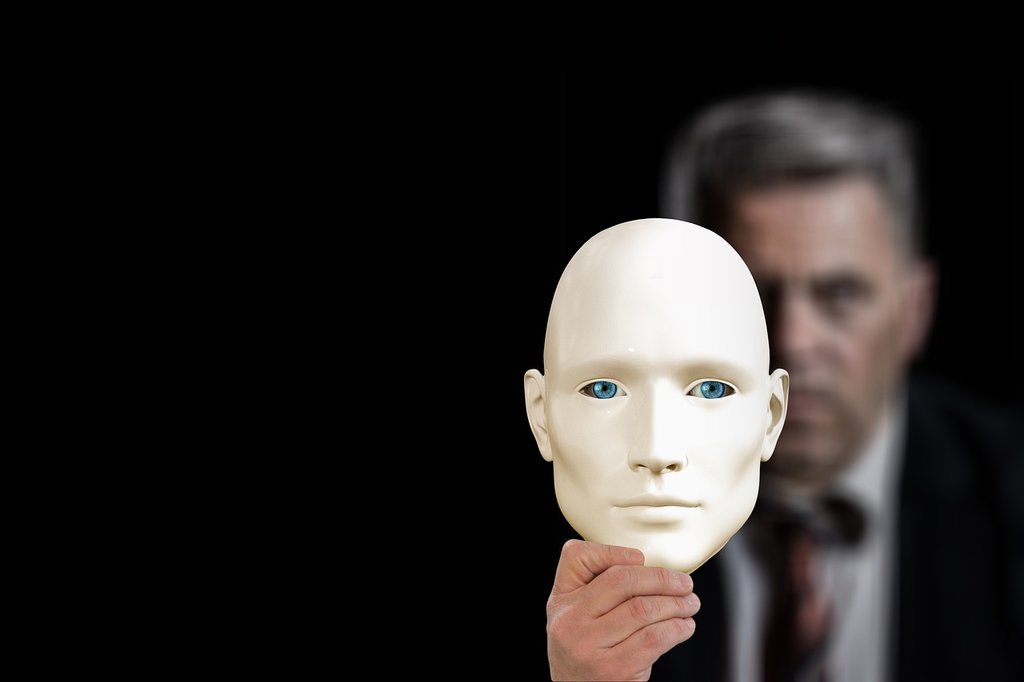
Psychological illusions, hidden in plain sight, refer to mental tricks or biases that subtly influence our perceptions, judgments, and decisions without our conscious awareness. These illusions shape how we interpret reality, often leading us to overlook facts, misjudge situations, or make irrational choices. Despite being ever-present in daily life, they are difficult to detect because they seamlessly blend into our thought processes, making us believe we are thinking logically when, in fact, we are not.
Psychological Illusions
Psychological illusions, hidden in plain sight, refer to mental tricks or biases that subtly influence our perceptions, judgments, and decisions without our conscious awareness. These illusions shape how we interpret reality, often leading us to overlook facts, misjudge situations, or make irrational choices. Despite being ever-present in daily life, they are difficult to detect because they seamlessly blend into our thought processes, making us believe we are thinking logically when, in fact, we are not.
💡 Key Takeaways
- Understand what psychological illusions are and how perception is constructed.
- Recognize common optical, auditory, and cognitive illusions and why they occur.
- See how context, expectations, and attention shape what you perceive.
- Learn to use illusion insights to improve critical thinking in everyday judgments.
❓ Frequently Asked Questions
What is a psychological illusion?
An illusion is a misperception of real stimuli; psychological illusions arise from how the brain processes information—our expectations, attention, memory, and biases—rather than from a sensory deficit.
What are common types of psychological illusions?
Visual illusions (like Müller-Lyer or Ponzo), auditory illusions, and motion/time perception illusions—often produced by contextual cues or how the brain interprets ambiguous data.
How do cognitive biases create illusions or misperceptions?
Biases influence judgments through shortcuts (heuristics) and prior beliefs, causing us to fill in gaps or overestimate certain outcomes, making perceptions feel more likely or real.
How can I test whether a perception is an illusion?
Look for context changes, test with different angles or perspectives, compare with other senses or information, and try to reproduce the effect under varied conditions.