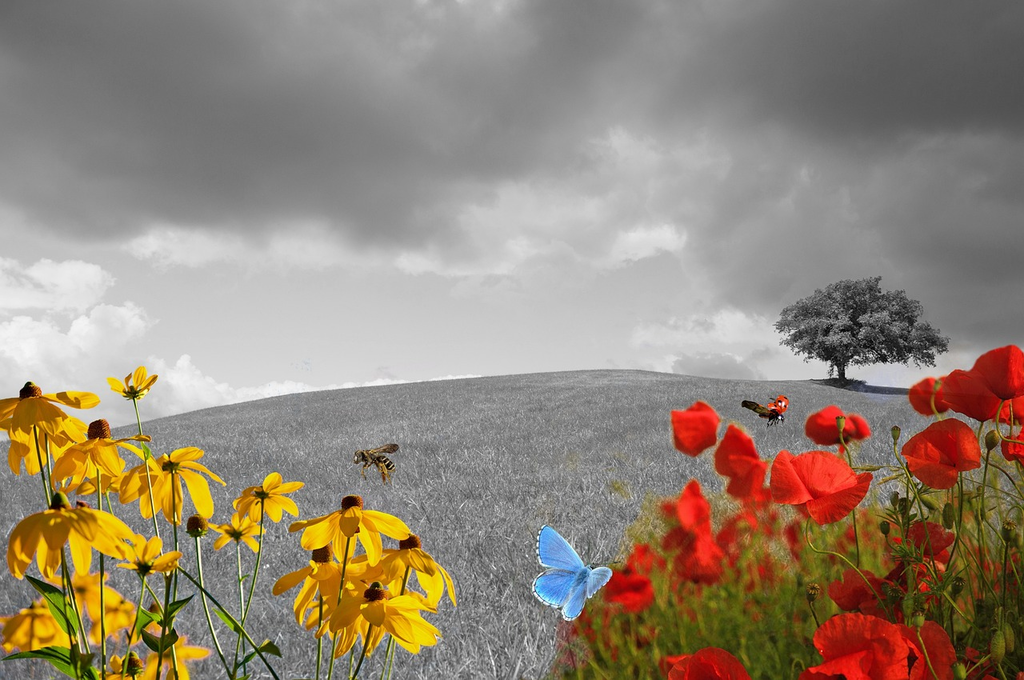
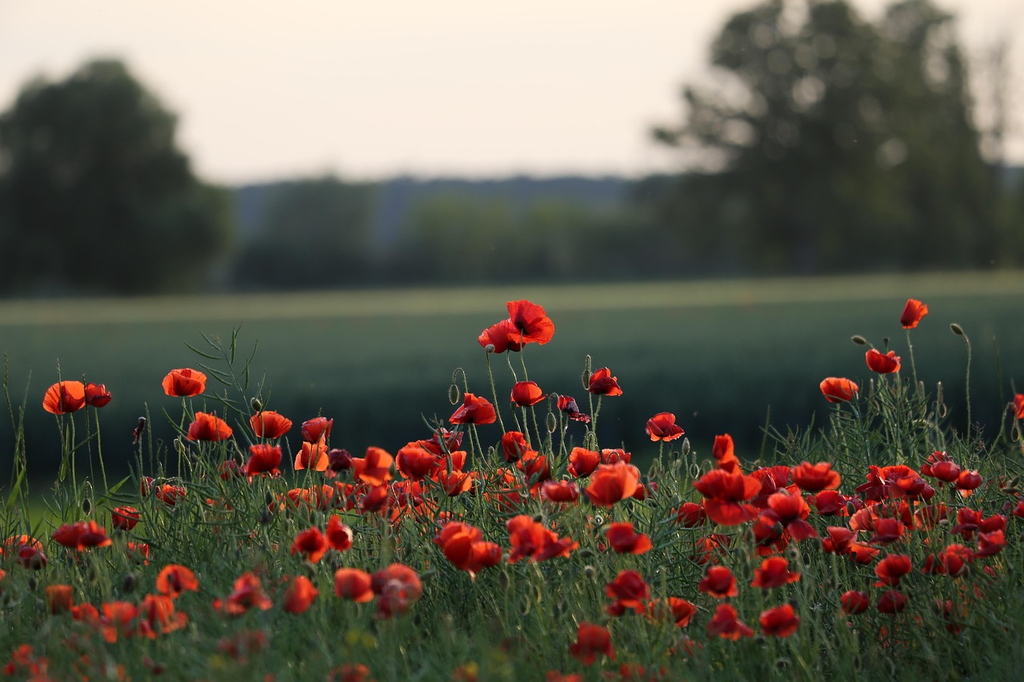
The psychology of green centers on its associations with nature, renewal, and balance. Green evokes feelings of calmness, growth, and harmony, often symbolizing health and tranquility. In contrast to red, which is linked to energy and excitement, green offers a soothing counterbalance, reducing stress and fostering relaxation. Together, red and green create a dynamic interplay—red energizes while green stabilizes—producing a vibrant yet harmonious emotional atmosphere.
Psychology of Green
The psychology of green centers on its associations with nature, renewal, and balance. Green evokes feelings of calmness, growth, and harmony, often symbolizing health and tranquility. In contrast to red, which is linked to energy and excitement, green offers a soothing counterbalance, reducing stress and fostering relaxation. Together, red and green create a dynamic interplay—red energizes while green stabilizes—producing a vibrant yet harmonious emotional atmosphere.

💡 Key Takeaways
- Understand how green color and natural environments influence mood, stress, and focus.
- Explore attention restoration: how greenery helps recovery from mental fatigue.
- Learn cultural and marketing aspects of green in psychology and decision making.
- Discover practical ways to use green in spaces to boost calm, productivity, and creativity.
❓ Frequently Asked Questions
What is the color green commonly associated with in psychology?
Growth, balance, renewal, and nature. It can also signal safety and calm, though meanings vary with context and shade.
How can green influence mood and behavior?
Green is often calming and refreshing, potentially reducing stress and aiding focus. Lighter greens tend to be soothing, while brighter greens can be more energizing; effects vary by individual.
Why is green popular in environmental branding and sustainability messaging?
Green evokes nature, health, and renewal, reinforcing eco-friendliness and responsibility in branding and communication.
Are there cultural or accessibility considerations when using green?
Yes. Green symbolism varies across cultures, and color choices should account for color-blind accessibility (contrast and alternative cues) to ensure inclusivity.