Public Access & Late-Night TV refers to television programming that is broadcast outside of prime time, often featuring community-produced shows or unconventional content. Public access channels allow local individuals or groups to create and air their own programs, fostering diverse voices and creativity. Late-night TV, on the other hand, includes talk shows, comedy, and experimental formats, often with a more relaxed or edgy tone, catering to niche audiences and insomniacs.
Public Access & Late-Night TV
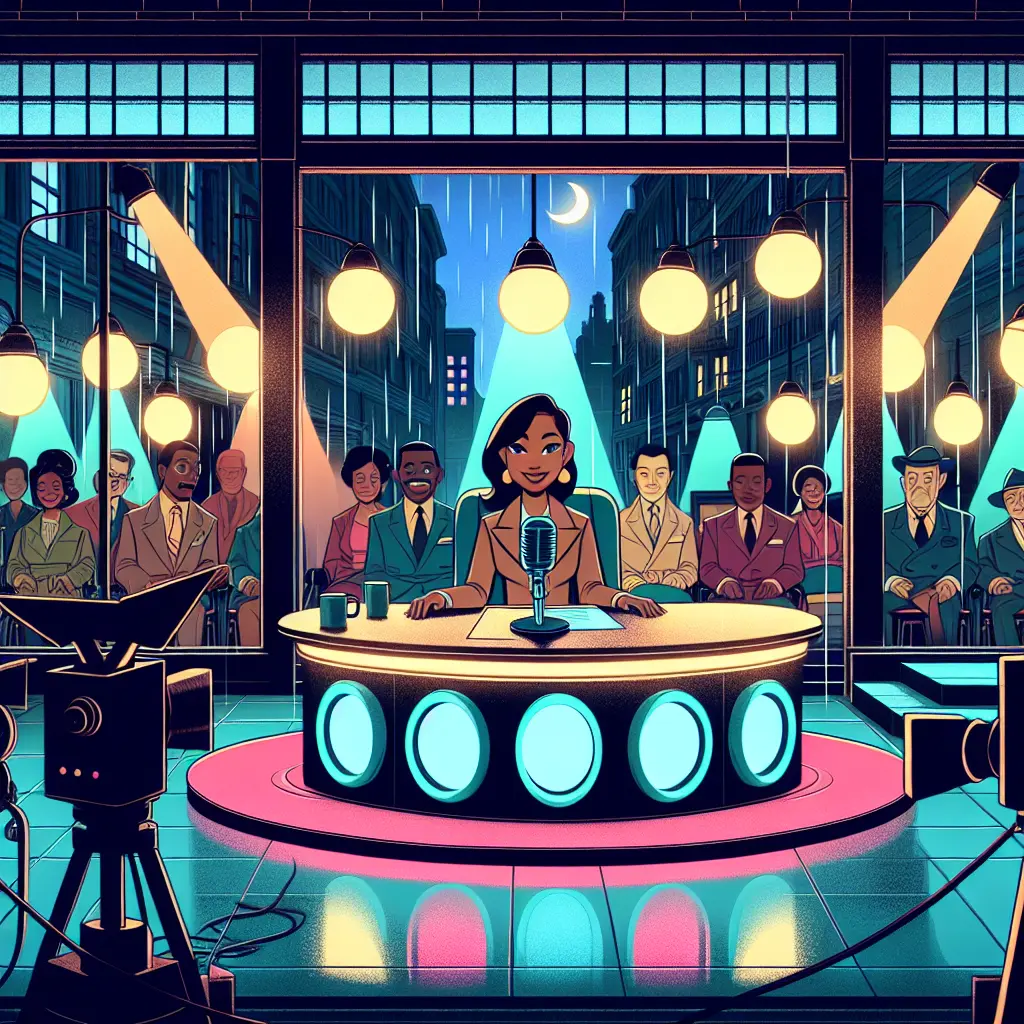
Public Access & Late-Night TV refers to television programming that is broadcast outside of prime time, often featuring community-produced shows or unconventional content. Public access channels allow local individuals or groups to create and air their own programs, fostering diverse voices and creativity. Late-night TV, on the other hand, includes talk shows, comedy, and experimental formats, often with a more relaxed or edgy tone, catering to niche audiences and insomniacs.
💡 Key Takeaways
- Understand how public access channels empower local creators to air diverse, community-driven programs.
- Learn how late-night TV evolved by decade, reflecting changes in humor, guests, and social topics.
- Recognize the role of audience participation and unconventional content in public access and late-night broadcasts.
- Compare public access shows with mainstream late-night to identify differences in production, tone, and accessibility.
❓ Frequently Asked Questions
What is public access television?
Public access TV is non-commercial programming created and aired by local residents or groups on community channels, typically outside prime-time slots.
How does late-night TV differ from prime-time network shows?
Late-night TV airs outside the traditional prime-time lineup, usually in the evenings, with talk shows and unconventional segments produced for viewers in a local or network context.
What is the purpose of public access channels?
Public access channels give everyday people a platform to share local voices, arts, events, and ideas, fostering diverse, community-driven content.
What does PEG stand for and why is it relevant?
PEG stands for Public, Educational, and Government access; these channels host non-commercial programs that serve and reflect local communities.
What nostalgia factors can public access and late-night TV evoke across decades?
Nostalgia often comes from retro formats, host personalities, audience interactions, and locally produced content that mirrors the look and feel of past decades.