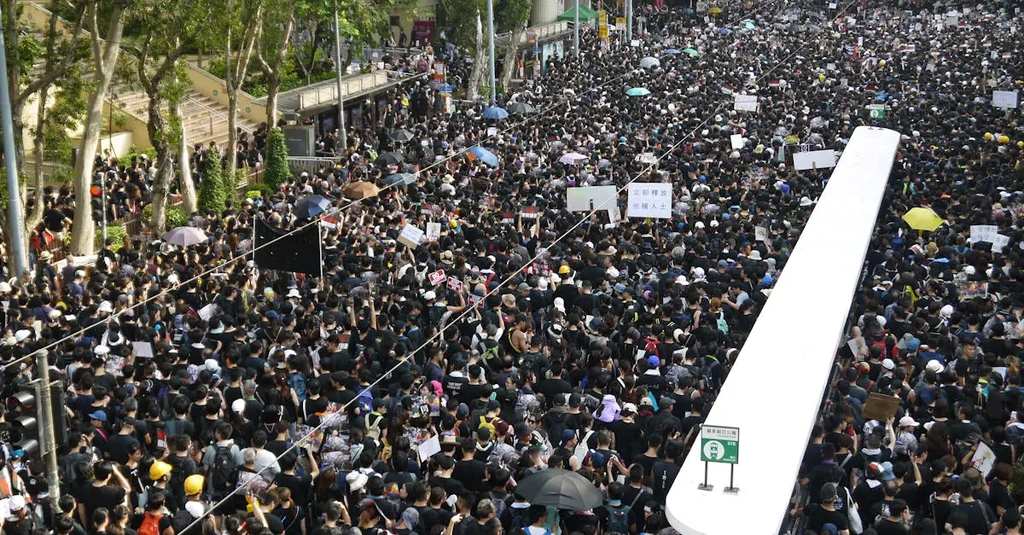
Public health surveillance during mass gatherings involves the systematic collection, analysis, and interpretation of health data to detect and respond to potential health threats among large crowds. This proactive approach helps identify outbreaks, monitor disease trends, and ensure rapid intervention to prevent the spread of illness. Effective surveillance supports public health officials in safeguarding the well-being of attendees and the wider community during events such as festivals, sporting competitions, or religious gatherings.
Public Health Surveillance During Mass Gatherings
Public health surveillance during mass gatherings involves the systematic collection, analysis, and interpretation of health data to detect and respond to potential health threats among large crowds. This proactive approach helps identify outbreaks, monitor disease trends, and ensure rapid intervention to prevent the spread of illness. Effective surveillance supports public health officials in safeguarding the well-being of attendees and the wider community during events such as festivals, sporting competitions, or religious gatherings.
💡 Key Takeaways
- Explain the purpose and benefits of public health surveillance during mass gatherings.
- Identify data sources and indicators used to monitor health during large events (e.g., syndromic surveillance, sentinel sites, event-based reports).
- Describe the typical surveillance workflow: data collection, analysis, interpretation, and rapid public health action.
- Discuss challenges and ethical considerations (privacy, equity) and how real-time communication supports rapid interventions.
❓ Frequently Asked Questions
What is public health surveillance during mass gatherings?
It is the systematic collection, analysis, and interpretation of health data from attendees to detect potential threats and enable a rapid health response.
What are the main goals of surveillance at festivals and special days?
To detect outbreaks early, monitor disease trends among crowds, and enable rapid interventions to protect attendees and the community.
What kinds of data are used in mass gathering surveillance?
Syndromic data from clinics and on-site medical care, reports of illness among attendees, healthcare utilization, and other event-specific risk indicators.
How does surveillance inform actions during mass gatherings?
It triggers alerts, guides medical resource deployment, informs risk communication, and supports rapid public health interventions to prevent or contain threats.