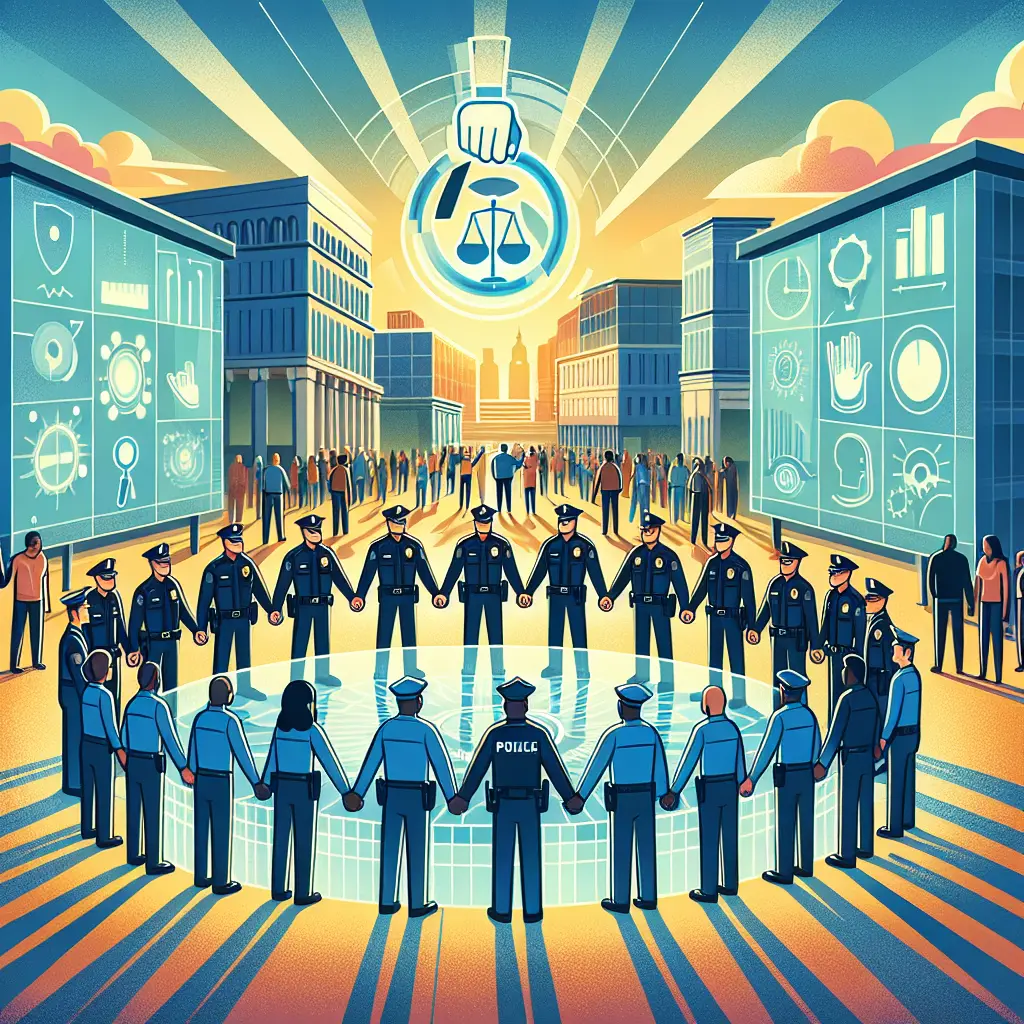
Public policy basics refer to the fundamental principles and processes by which governments create, implement, and evaluate rules, regulations, and actions to address public issues. This includes identifying societal problems, setting goals, formulating solutions, enacting laws or regulations, and assessing outcomes. Public policy involves collaboration among government agencies, stakeholders, and the public, aiming to promote the common good, ensure justice, and efficiently allocate resources to solve societal challenges.
Public Policy Basics+50
Public policy basics refer to the fundamental principles and processes by which governments create, implement, and evaluate rules, regulations, and actions to address public issues. This includes identifying societal problems, setting goals, formulating solutions, enacting laws or regulations, and assessing outcomes. Public policy involves collaboration among government agencies, stakeholders, and the public, aiming to promote the common good, ensure justice, and efficiently allocate resources to solve societal challenges.

💡 Key Takeaways
- Understand the policy-making cycle: agenda setting, policy formulation, implementation, and evaluation.
- Learn how policymakers identify problems, set goals, and design solutions to address public issues.
- Explore how laws and regulations are created, enacted, and enforced across government levels.
- Recognize how policy evaluation, data, and stakeholder input shape policy improvements and accountability.
❓ Frequently Asked Questions
What is public policy?
Public policy is the set of actions, laws, and decisions governments use to address public issues, guide behavior, and improve society. It involves identifying problems, setting goals, choosing solutions, enacting rules, and evaluating outcomes.
What are the main stages of the public policy process?
Typical stages include problem identification, agenda setting, policy formulation, policy adoption/enactment, implementation, and evaluation (with possible feedback loops).
How do policymakers identify and define public problems?
They gather data, assess needs and impacts, consult stakeholders, and evaluate feasibility and costs to frame a problem in a way that policy can address.
What is the difference between laws and regulations?
Laws are statutes created by legislatures; regulations are rules issued by government agencies to implement those laws and specify enforcement details.