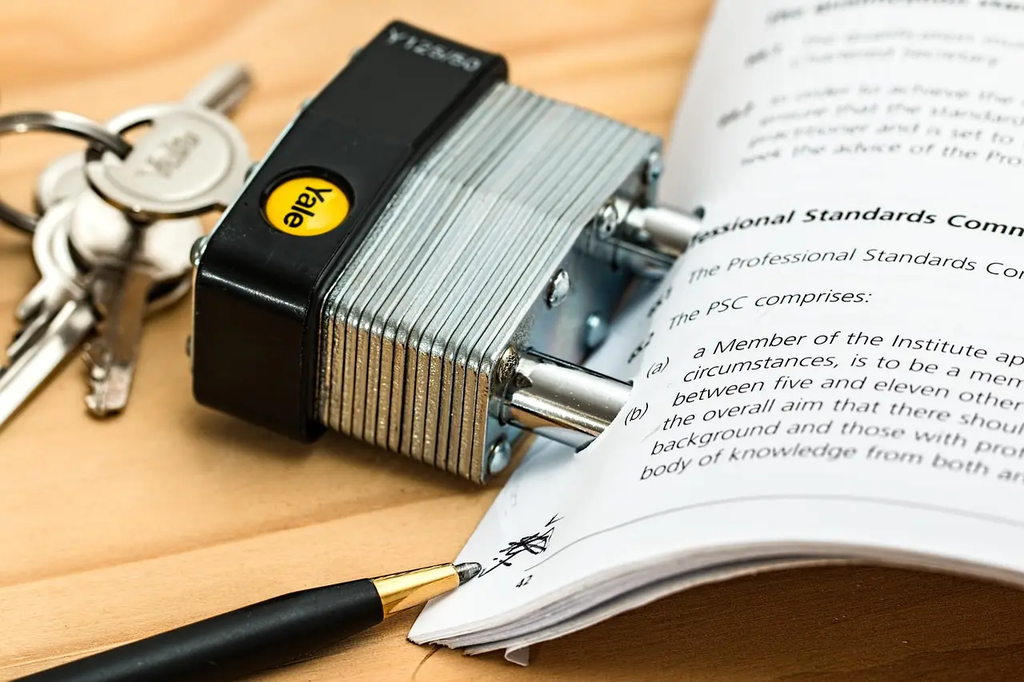
Public Sector Procurement (Tender & Procurement) refers to the process by which government departments and public organizations acquire goods, services, or works from external suppliers. This process typically involves competitive tendering, where suppliers submit bids, and contracts are awarded based on criteria such as price, quality, and compliance with regulations. The aim is to ensure transparency, fairness, value for money, and accountability in the use of public funds.
Public Sector Procurement+50
Public Sector Procurement (Tender & Procurement) refers to the process by which government departments and public organizations acquire goods, services, or works from external suppliers. This process typically involves competitive tendering, where suppliers submit bids, and contracts are awarded based on criteria such as price, quality, and compliance with regulations. The aim is to ensure transparency, fairness, value for money, and accountability in the use of public funds.

💡 Key Takeaways
- Understand the purpose of public sector procurement and the core principles of value for money, transparency, and fairness.
- Navigate the procurement lifecycle from needs assessment and planning to contract management and vendor performance.
- Identify common procurement methods (open tender, restricted tender, quotes, and framework agreements) and when to use each.
- Recognize essential compliance areas: laws and regulations, ethics, sustainability, and supplier diversity.
❓ Frequently Asked Questions
What is public sector procurement?
The process by which government agencies and public bodies purchase goods, services, and works, using rules to ensure value for money, fairness, and transparency.
What are common procurement methods used by public sector organizations?
Competitive tendering (RFP/RFQ), framework agreements, and direct contracts for low-value purchases, chosen based on value, quality, and compliance.
Why is competitive bidding important in public procurement?
It promotes fair competition, helps obtain the best value for money, and reduces the risk of favoritism, while meeting legal and policy requirements.
What are the typical stages of a public sector procurement process?
Need identification, planning and market research, tender issuance, bid evaluation, supplier selection, contract award, and ongoing contract management.
How do ethics and transparency get enforced in public procurement?
Through clear rules, open opportunities, published evaluation criteria, audit trails, and enforcement of anti-corruption and accountability measures.