Pulling strength refers to the ability to generate force by drawing objects or one's own body toward oneself, primarily engaging the back, biceps, and forearms. Exercises like rows, pull-ups, and levers effectively develop this strength. Rows target the upper and mid-back muscles, pull-ups build upper body and grip strength, while levers challenge core stability and total body control, all contributing to overall pulling power and functional fitness.
Pulling Strength: Rows, Pull-Ups, and Levers
Pulling strength refers to the ability to generate force by drawing objects or one's own body toward oneself, primarily engaging the back, biceps, and forearms. Exercises like rows, pull-ups, and levers effectively develop this strength. Rows target the upper and mid-back muscles, pull-ups build upper body and grip strength, while levers challenge core stability and total body control, all contributing to overall pulling power and functional fitness.
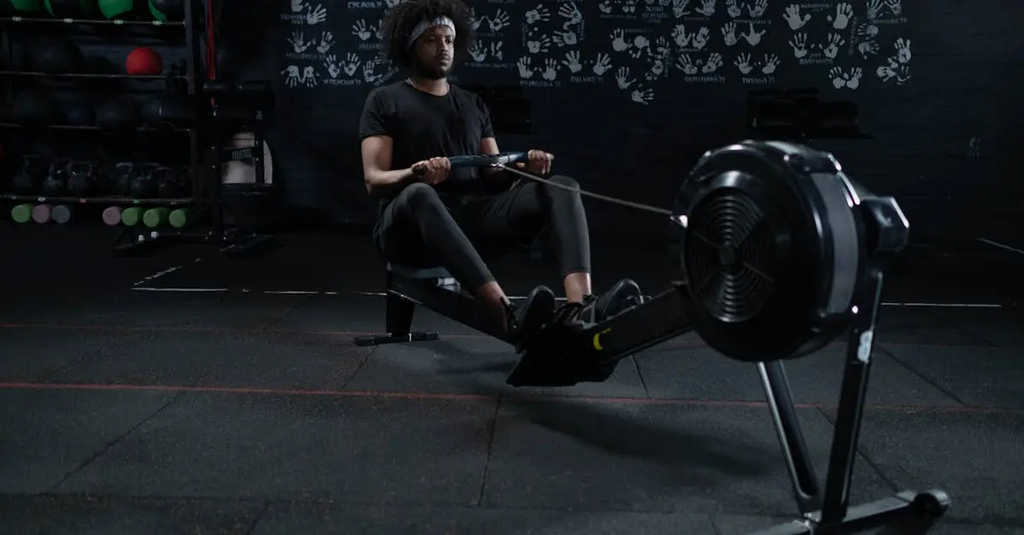
💡 Key Takeaways
- Define pulling strength and identify the main muscles involved (back, biceps, and forearms).
- Explain how rows, pull-ups, and levers specifically develop pulling strength and their unique benefits.
- Master technique cues and common mistakes for rows, pull-ups, and lever holds to maximize safety and gains.
- Learn progression strategies and suitable regressions to advance with pulling exercises.
- Know how to assess progress (reps, sets, hold time, or resistance) and track improvements over time.
❓ Frequently Asked Questions
What muscles are primarily targeted by rows, pull-ups, and levers?
Rows target the upper to mid back (lats, rhomboids, trapezius); pull-ups strengthen the lats, biceps, and forearms; levers require core and back stability while loading the arms.
How do rows differ from pull-ups in terms of movement and muscle emphasis?
Rows are horizontal pulls emphasizing the upper/mid back and biceps; pull-ups are vertical pulls emphasizing the lats and biceps; levers are static holds that challenge core and back control.
What is pulling strength, and why is it useful?
Pulling strength is the ability to generate force toward you by drawing objects or your body in, using the back, arms, and core—helpful for posture, daily tasks, and athletic movements.
How can beginners safely progress in pulling exercises?
Start with assisted variations (band-assisted pull-ups, inverted rows), focus on form, gradually increase reps/sets, vary grips, and progress to harder versions as strength improves.