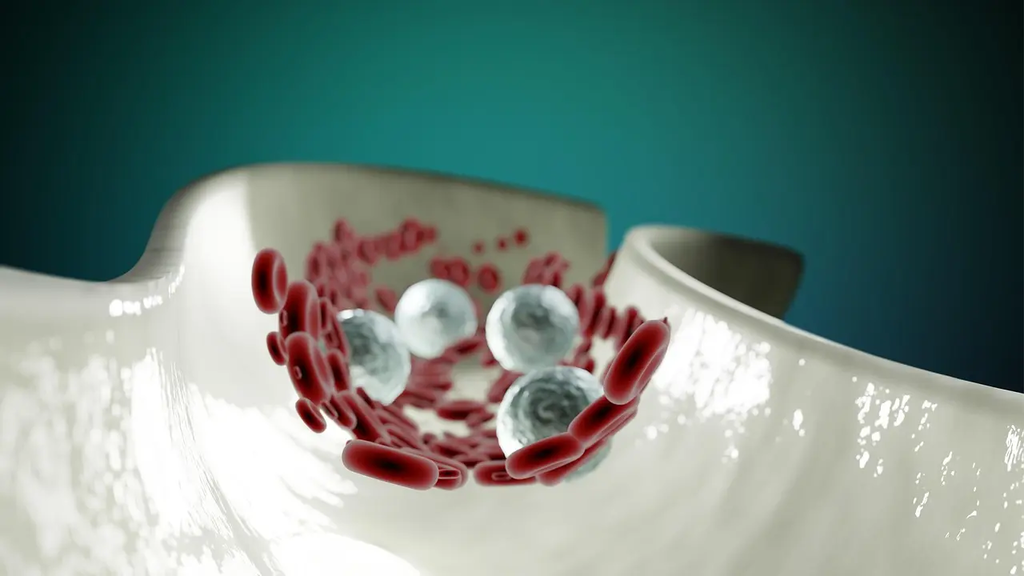
Pulmonary pathophysiology refers to the study of functional changes that occur in the lungs as a result of disease or injury. It examines how conditions such as asthma, chronic obstructive pulmonary disease (COPD), pneumonia, or pulmonary fibrosis disrupt normal breathing, gas exchange, and lung mechanics. Understanding pulmonary pathophysiology is essential for diagnosing respiratory disorders, managing symptoms, and developing effective treatments to restore or improve lung function in affected individuals.
Pulmonary Pathophysiology
Pulmonary pathophysiology refers to the study of functional changes that occur in the lungs as a result of disease or injury. It examines how conditions such as asthma, chronic obstructive pulmonary disease (COPD), pneumonia, or pulmonary fibrosis disrupt normal breathing, gas exchange, and lung mechanics. Understanding pulmonary pathophysiology is essential for diagnosing respiratory disorders, managing symptoms, and developing effective treatments to restore or improve lung function in affected individuals.
💡 Key Takeaways
- Understand how normal ventilation, diffusion, and perfusion enable gas exchange in the lungs.
- Learn how ventilation–perfusion (V/Q) mismatch, shunt, and diffusion impairment contribute to pulmonary disease.
- Identify how airway resistance, lung compliance, and diffusion capacity change in common conditions like asthma, COPD, edema, and pneumonia.
- Explain how hypoxemia and hypercapnia develop and the body's compensatory respiratory and acid–base responses.
❓ Frequently Asked Questions
What is ventilation-perfusion (V/Q) mismatch?
V/Q mismatch is an imbalance between air reaching the alveoli (ventilation) and blood flow in the pulmonary capillaries (perfusion). It reduces gas exchange; high V/Q means good ventilation but poor perfusion (dead space), while low V/Q means good perfusion but poor ventilation (shunt). Causes include COPD, pneumonia, and pulmonary embolism.
What does diffusion capacity (DLCO) tell us about the lungs?
DLCO measures how effectively gases move from the alveoli into the blood. A reduced DLCO indicates thickened/damaged alveolar membranes, reduced surface area, or decreased capillary blood volume (seen in fibrosis, edema, emphysema).
How do obstructive and restrictive lung diseases differ in pathophysiology?
Obstructive diseases narrow airways and slow exhalation (low FEV1, low FEV1/FVC). Restrictive diseases limit lung expansion (reduced lung volumes, FEV1/FVC often normal or high).
What causes hypoxemia and hypercapnia in pulmonary disease?
Hypoxemia usually results from V/Q mismatch or shunt; hypercapnia from alveolar hypoventilation or increased dead space. Severe disease can cause both, requiring strategies to improve ventilation and oxygenation.