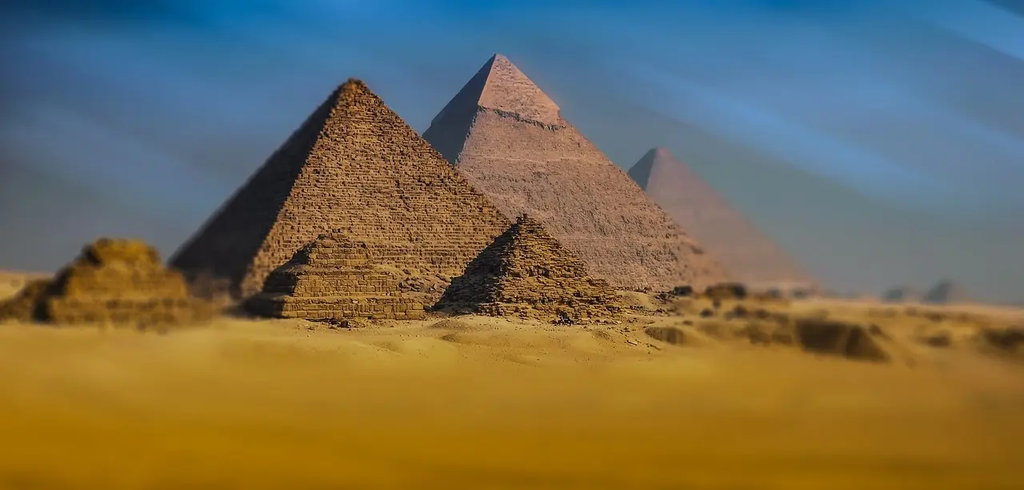
The Pyramids of Giza, located near Cairo, Egypt, are ancient monumental tombs built over 4,500 years ago for the pharaohs. Among them, the Great Pyramid of Khufu stands as the largest and only surviving wonder of the original Seven Wonders of the Ancient World. These iconic structures showcase advanced engineering and architectural skills, symbolizing Egypt’s rich history and attracting millions of visitors as one of the world’s most famous landmarks.
Pyramids of Giza+50
The Pyramids of Giza, located near Cairo, Egypt, are ancient monumental tombs built over 4,500 years ago for the pharaohs. Among them, the Great Pyramid of Khufu stands as the largest and only surviving wonder of the original Seven Wonders of the Ancient World. These iconic structures showcase advanced engineering and architectural skills, symbolizing Egypt’s rich history and attracting millions of visitors as one of the world’s most famous landmarks.
💡 Key Takeaways
- Identify the Pyramids of Giza and their location on the Giza Plateau near Cairo.
- Learn that they were royal tombs for pharaohs Khufu, Khafre, and Menkaure in Egypt's Old Kingdom.
- Recognize key features: alignment to true north, stacked chambers, and the Great Pyramid’s original limestone casing.
- Get an overview of construction ideas—massive limestone blocks, large workforce, and ongoing debates about ramps.
❓ Frequently Asked Questions
What are the Pyramids of Giza and where are they located?
They are three ancient Egyptian pyramids on the Giza Plateau, just outside Cairo, built as royal tombs for pharaohs of the Old Kingdom.
Who built the Great Pyramid and when was it built?
The Great Pyramid was built for Pharaoh Khufu (Cheops) during Egypt’s Fourth Dynasty, around 2580–2560 BCE; the other two pyramids were built for Khafre and Menkaure.
What are the main features and purpose of the pyramids?
They served as tombs for rulers and symbols of their power in the afterlife; they were originally sheathed in smooth limestone, are aligned to true north, and contain chambers and passageways.
How were the pyramids constructed?
They were built with millions of limestone blocks and complex labor; a popular theory is that ramps were used to move stones into place, though the exact method is still debated.