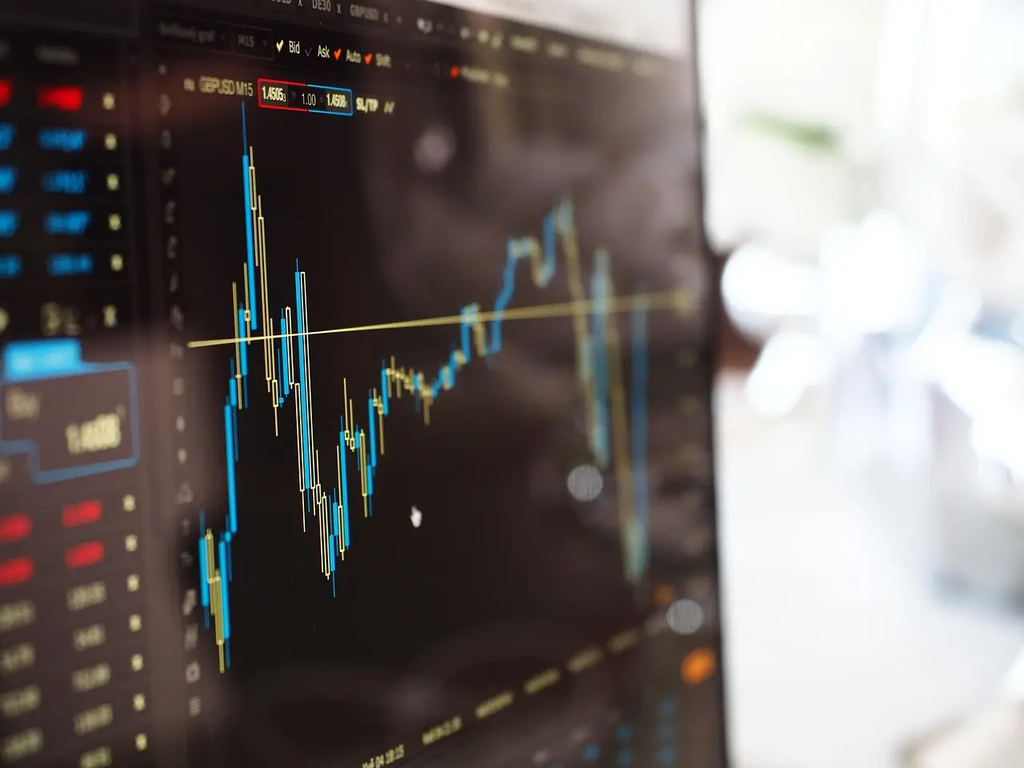
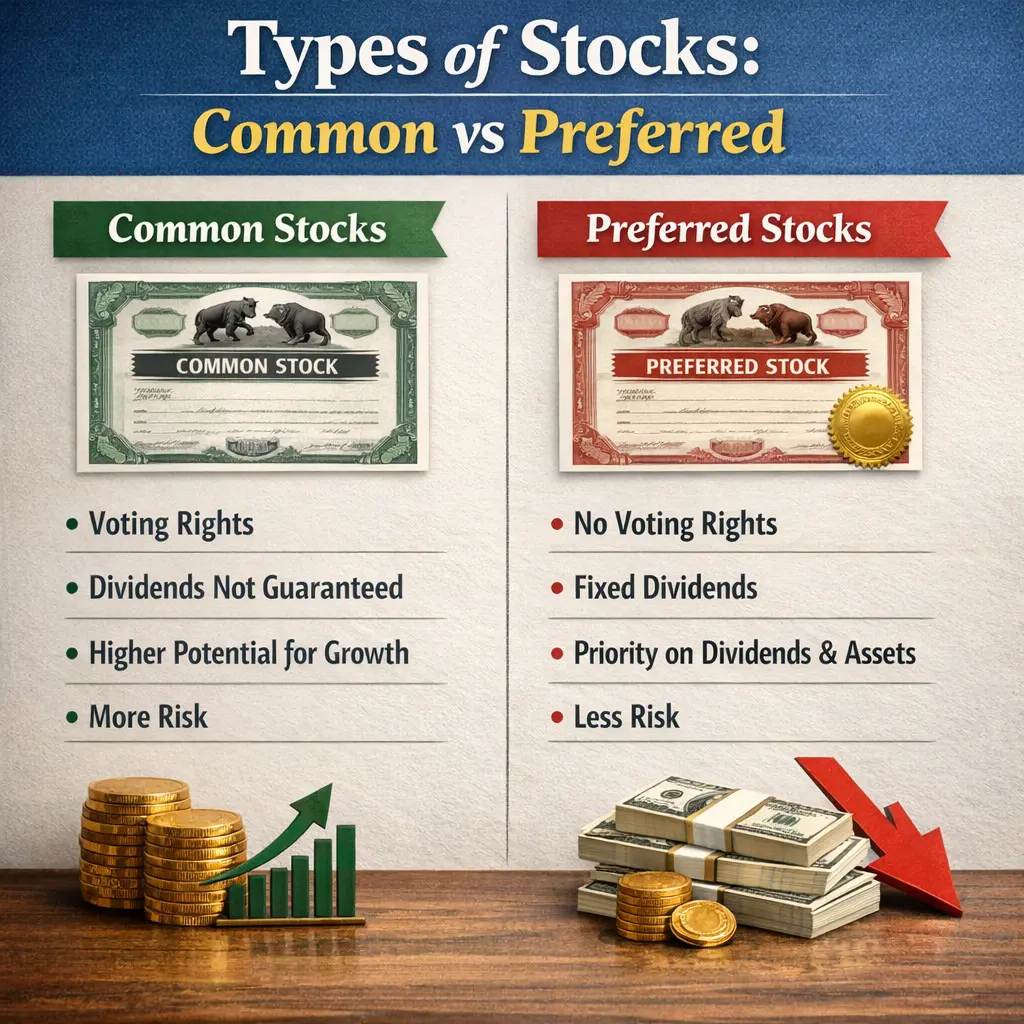
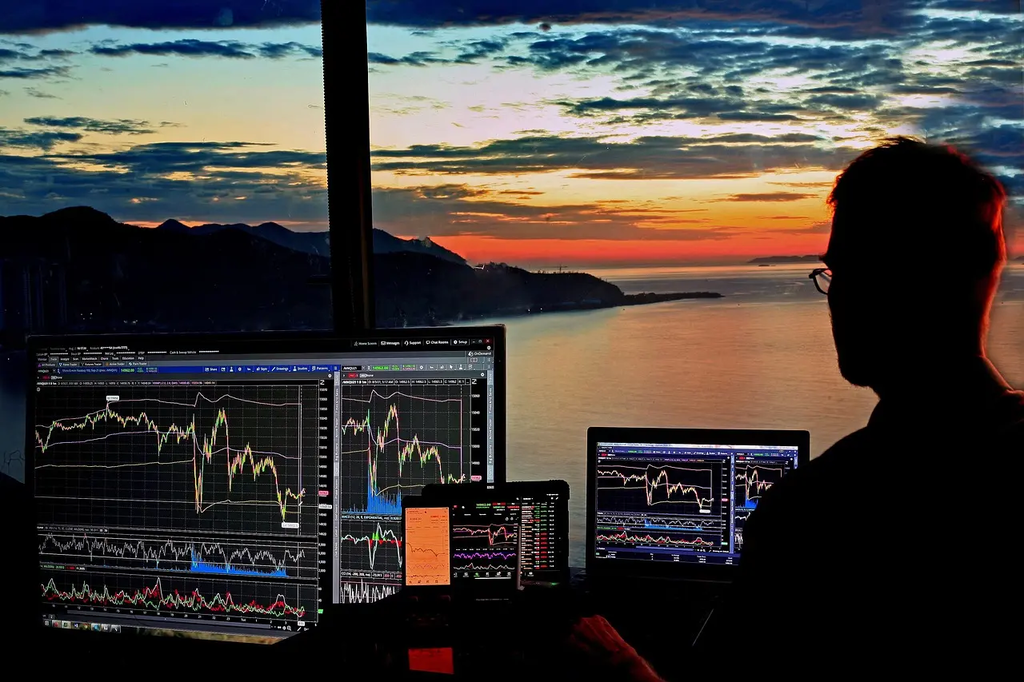
Quantitative analysis in US stock markets involves using mathematical models, statistics, and algorithms to analyze financial data and identify trading opportunities. It focuses on patterns, trends, and relationships within large datasets, such as price movements, trading volumes, and economic indicators. Quantitative analysts, or "quants," develop strategies for portfolio management, risk assessment, and automated trading, aiming to maximize returns and minimize risks through data-driven, objective decision-making.
Quantitative Analysis in Stock Markets
Quantitative analysis in US stock markets involves using mathematical models, statistics, and algorithms to analyze financial data and identify trading opportunities. It focuses on patterns, trends, and relationships within large datasets, such as price movements, trading volumes, and economic indicators. Quantitative analysts, or "quants," develop strategies for portfolio management, risk assessment, and automated trading, aiming to maximize returns and minimize risks through data-driven, objective decision-making.
💡 Key Takeaways
- Understand how quantitative analysis evaluates stock prices, risk, and expected return.
- Identify key data inputs (price, volume, returns) and how they are processed in models.
- Learn basic techniques such as statistics, regression, and time-series analysis, including backtesting.
- Interpret core metrics such as return, volatility, drawdown, and correlations to support investment decisions.
❓ Frequently Asked Questions
What is quantitative analysis in stock markets?
The use of mathematical models, statistics, and data to analyze prices, returns, risk, and to test trading strategies.
What is time-series analysis used for in finance?
Analyzing sequences of price or return data over time to identify trends, volatility patterns, and to forecast future moves.
What is backtesting and why is it important?
Testing a trading rule on historical data to estimate potential performance and risk before using it in live trading.
What is a moving average and what is it used for?
An average of prices over a specified window; it smooths data and helps generate trading signals when price crosses the average.
What is the Sharpe ratio?
A measure of risk-adjusted return: excess return per unit of total volatility, used to compare investment strategies.