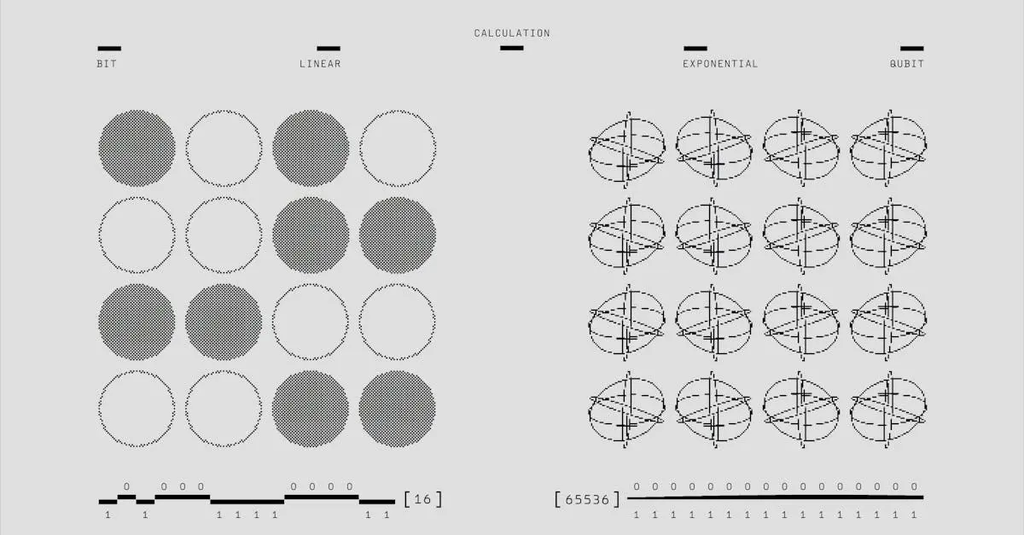
Quantum Computing Concepts refer to the principles and ideas underlying quantum computers, which leverage quantum bits (qubits) instead of classical bits. These concepts include superposition, where qubits exist in multiple states simultaneously, and entanglement, which links qubits so their states affect each other. Quantum gates manipulate qubits, enabling complex computations. Quantum algorithms, like Shor’s and Grover’s, demonstrate the potential for solving certain problems much faster than classical computers.
Quantum Computing Concepts
Quantum Computing Concepts refer to the principles and ideas underlying quantum computers, which leverage quantum bits (qubits) instead of classical bits. These concepts include superposition, where qubits exist in multiple states simultaneously, and entanglement, which links qubits so their states affect each other. Quantum gates manipulate qubits, enabling complex computations. Quantum algorithms, like Shor’s and Grover’s, demonstrate the potential for solving certain problems much faster than classical computers.
💡 Key Takeaways
- Understand what qubits are and how they differ from classical bits.
- Explain superposition and entanglement and how they enable quantum computation.
- Learn the basics of quantum gates and how measurement affects qubit states.
- Identify potential applications and current limitations of quantum computing (e.g., cryptography, optimization).
- Recognize challenges such as decoherence and the importance of quantum error correction.
❓ Frequently Asked Questions
What is quantum computing?
A type of computing that uses quantum bits (qubits) and quantum phenomena to solve certain problems faster than classical computers.
What is a qubit?
The basic unit of quantum information; it can be 0, 1, or both at once (superposition) until measured.
What does superposition mean in quantum computing?
A qubit can exist in multiple states (0 and 1) simultaneously, described by probabilities until measurement.
What is entanglement?
A strong link between qubits where the state of one qubit is correlated with the state of another, even over a distance.
What is decoherence in quantum systems?
The loss of quantum behavior due to interaction with the environment, causing qubits to lose superposition and behave classically.