Quantum computing in fiction often explores the transformative potential of computers that harness quantum mechanics, enabling unprecedented processing power. Stories depict quantum computers breaking unbreakable codes, simulating complex realities, or even altering timelines. These narratives blend real scientific concepts with imaginative speculation, raising questions about security, artificial intelligence, and the very nature of reality. Through such portrayals, fiction highlights both the promise and the ethical dilemmas of quantum technology.
Quantum Computing in Fiction
Quantum computing in fiction often explores the transformative potential of computers that harness quantum mechanics, enabling unprecedented processing power. Stories depict quantum computers breaking unbreakable codes, simulating complex realities, or even altering timelines. These narratives blend real scientific concepts with imaginative speculation, raising questions about security, artificial intelligence, and the very nature of reality. Through such portrayals, fiction highlights both the promise and the ethical dilemmas of quantum technology.
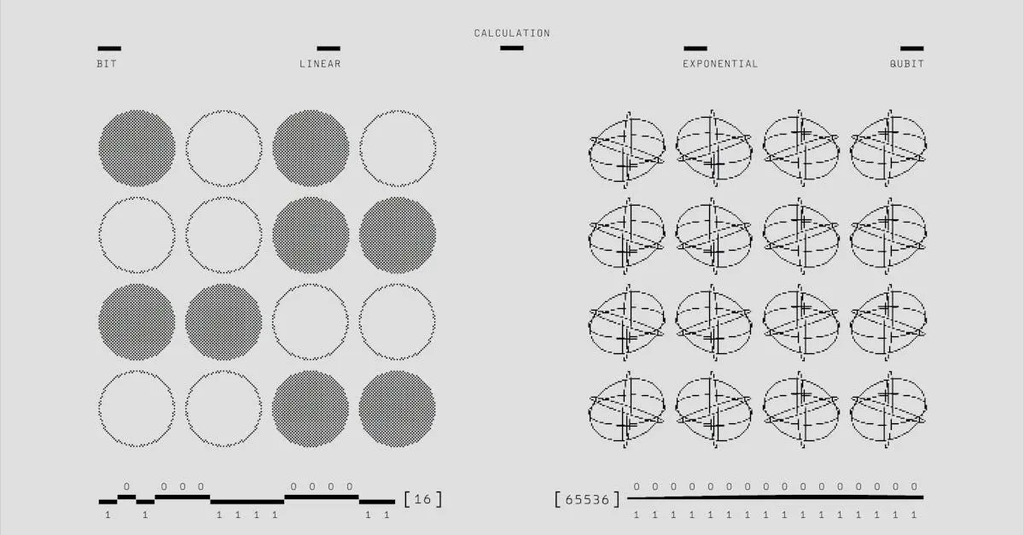
💡 Key Takeaways
- Understand how quantum computers use qubits and entanglement to process information differently from classical machines.
- Explore common sci-fi scenarios (breaking encryption, simulating realities, altering timelines) and assess their plausibility.
- Consider ethical and security implications of powerful quantum tech as depicted in cyber-future fiction.
- Differentiate fictional portrayals from real-world quantum computing challenges like decoherence, error correction, and scalability.
❓ Frequently Asked Questions
What is quantum computing, in simple terms?
Quantum computing uses qubits that can be 0 and 1 at the same time, enabling certain problems to be solved more efficiently than with classical computers. In fiction it's often depicted as extraordinary power, but real hardware is still experimental and fragile.
How do quantum computers “break” codes in fiction, and what's the real idea?
In stories, quantum computers are shown running algorithms (like Shor’s) that factor large numbers quickly to crack encryption. In reality, scalable quantum code-breaking doesn’t exist yet, and cryptographers are developing quantum‑safe methods.
What does “simulating complex realities” mean in sci‑fi?
Authors use quantum computers to model complex quantum systems or virtual worlds. Real quantum devices can assist with certain simulations, but aren’t universal reality simulators.
Can quantum computers alter timelines or realities?
No—altering timelines is a sci‑fi plot device. Quantum computing affects computation, not history or parallel timelines.
What are qubits and why are they important?
A qubit is the quantum counterpart to a classical bit. It can be 0, 1, or both at once (superposition) and can be entangled with others, giving quantum computers potential power while requiring careful control.