Quantum cryptography is a cutting-edge technique for securing communication using principles of quantum mechanics. Unlike traditional cryptography, it leverages the behavior of quantum particles, such as photons, to transmit information in a way that any attempt at eavesdropping disturbs the system and is detectable. The most well-known application is Quantum Key Distribution (QKD), which enables two parties to share secret keys with provable security, making it resistant to hacking by classical or quantum computers.
Quantum Cryptography
Quantum cryptography is a cutting-edge technique for securing communication using principles of quantum mechanics. Unlike traditional cryptography, it leverages the behavior of quantum particles, such as photons, to transmit information in a way that any attempt at eavesdropping disturbs the system and is detectable. The most well-known application is Quantum Key Distribution (QKD), which enables two parties to share secret keys with provable security, making it resistant to hacking by classical or quantum computers.
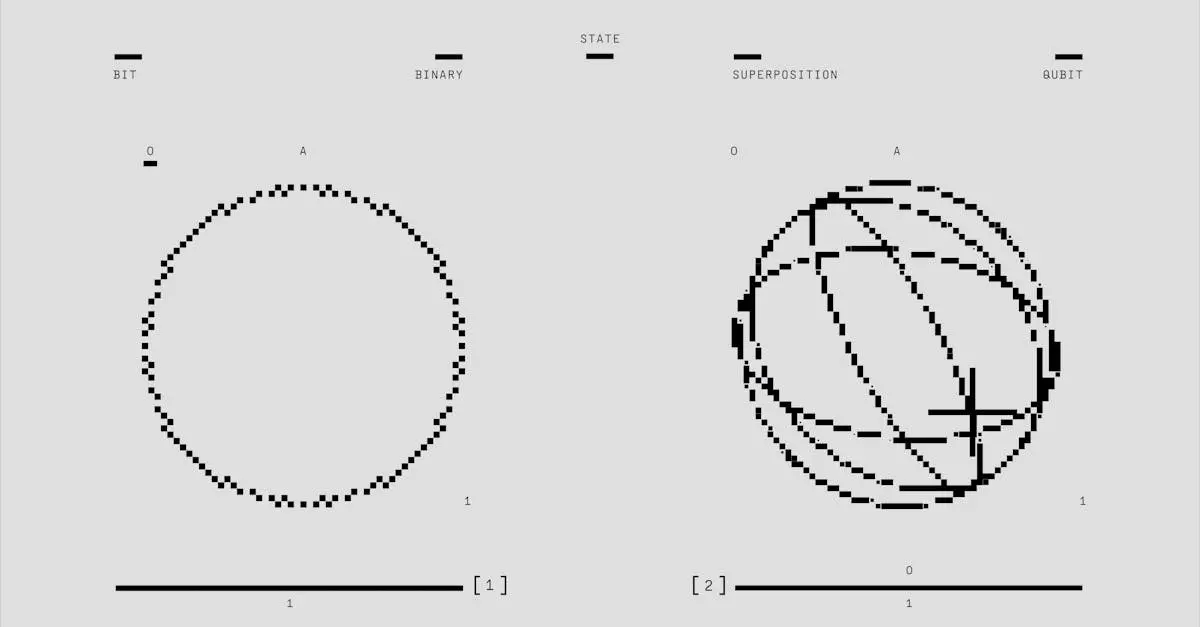
💡 Key Takeaways
- Explain the basic idea of quantum key distribution (QKD) and how photon states secure key exchange.
- Describe the no-cloning theorem and how eavesdropping disturbs quantum states to reveal tampering.
- Identify practical considerations for software developers integrating quantum cryptography (APIs, key management, and TLS/SSH compatibility).
- Recognize real-world deployment challenges (photon loss, channel noise, and hardware imperfections) that affect secure key generation.
❓ Frequently Asked Questions
What is quantum cryptography?
Quantum cryptography uses the laws of quantum mechanics to secure communications, most commonly via Quantum Key Distribution (QKD), where cryptographic keys are exchanged using quantum states of particles.
How does quantum cryptography detect eavesdropping?
Measuring quantum states disturbs them. In QKD, any interception introduces detectable errors, allowing the communicating parties to abort or redo the key exchange.
What is the role of photons in quantum cryptography?
Photons carry quantum information about their states (e.g., polarization or phase). Their quantum properties enable secure key distribution and the ability to detect tampering.
What should a software developer know when using quantum cryptography?
QKD requires specialized hardware and a quantum channel. It secures key exchange and should be integrated with existing cryptography, considering key management, latency, and interoperability with traditional algorithms.