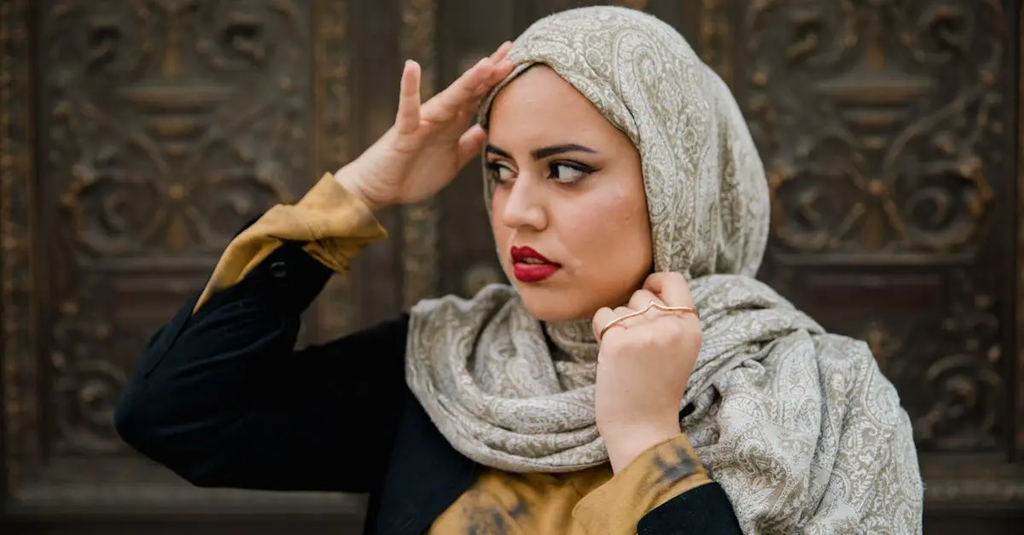
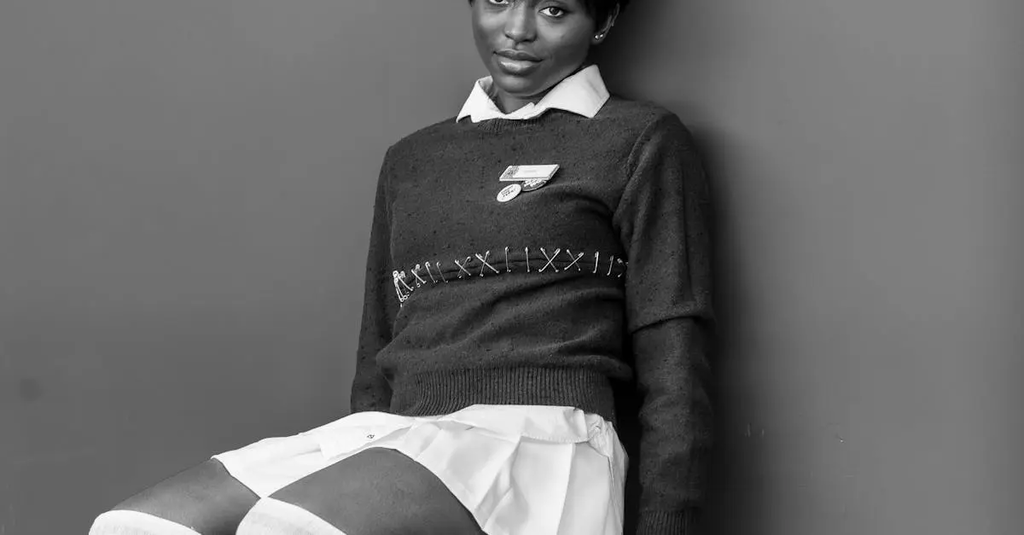
Queer Fashion Histories refers to the exploration and documentation of how LGBTQ+ individuals and communities have expressed identity, resistance, and creativity through clothing and style across different eras. It highlights how fashion has been used to challenge norms, signal belonging, and navigate societal constraints. By tracing these histories, we gain insight into the ways queer people have shaped, subverted, and enriched mainstream fashion, often turning personal expression into acts of visibility and empowerment.
Queer Fashion Histories
Queer Fashion Histories refers to the exploration and documentation of how LGBTQ+ individuals and communities have expressed identity, resistance, and creativity through clothing and style across different eras. It highlights how fashion has been used to challenge norms, signal belonging, and navigate societal constraints. By tracing these histories, we gain insight into the ways queer people have shaped, subverted, and enriched mainstream fashion, often turning personal expression into acts of visibility and empowerment.
💡 Key Takeaways
- Understand how LGBTQ+ communities used clothing to express identity and resist social norms across decades.
- Identify key queer fashion moments and subcultures (ballroom, drag, punk, streetwear) and what they signaled.
- Explore how fashion served as safety, visibility, and political resistance in oppressive contexts.
- Recognize designers, activists, and communities shaping queer fashion history and influencing mainstream style.
❓ Frequently Asked Questions
What is Queer Fashion Histories?
Queer Fashion Histories studies how LGBTQ+ communities used clothing to express identity, resist norms, and build community across different eras, including drag, subcultures, and everyday street style.
How has fashion served as resistance or signals of belonging?
Clothing can challenge gender norms, signal solidarity through colors or symbols, and create visibility in public spaces, performances, clubs, and protests.
Which eras or movements are often highlighted in queer fashion histories?
Key areas include mid-20th-century drag/ballroom, 1960s‑70s gay rights and disco, 1980s‑90s club culture and punk aesthetics, and 1990s‑2000s queer streetwear and festival fashion.
What terms should I know when studying queer fashion history?
Terms like gender expression, drag, camp, ballroom culture, queer aesthetics, subculture, and DIY fashion help describe how clothing communicates identity and community.