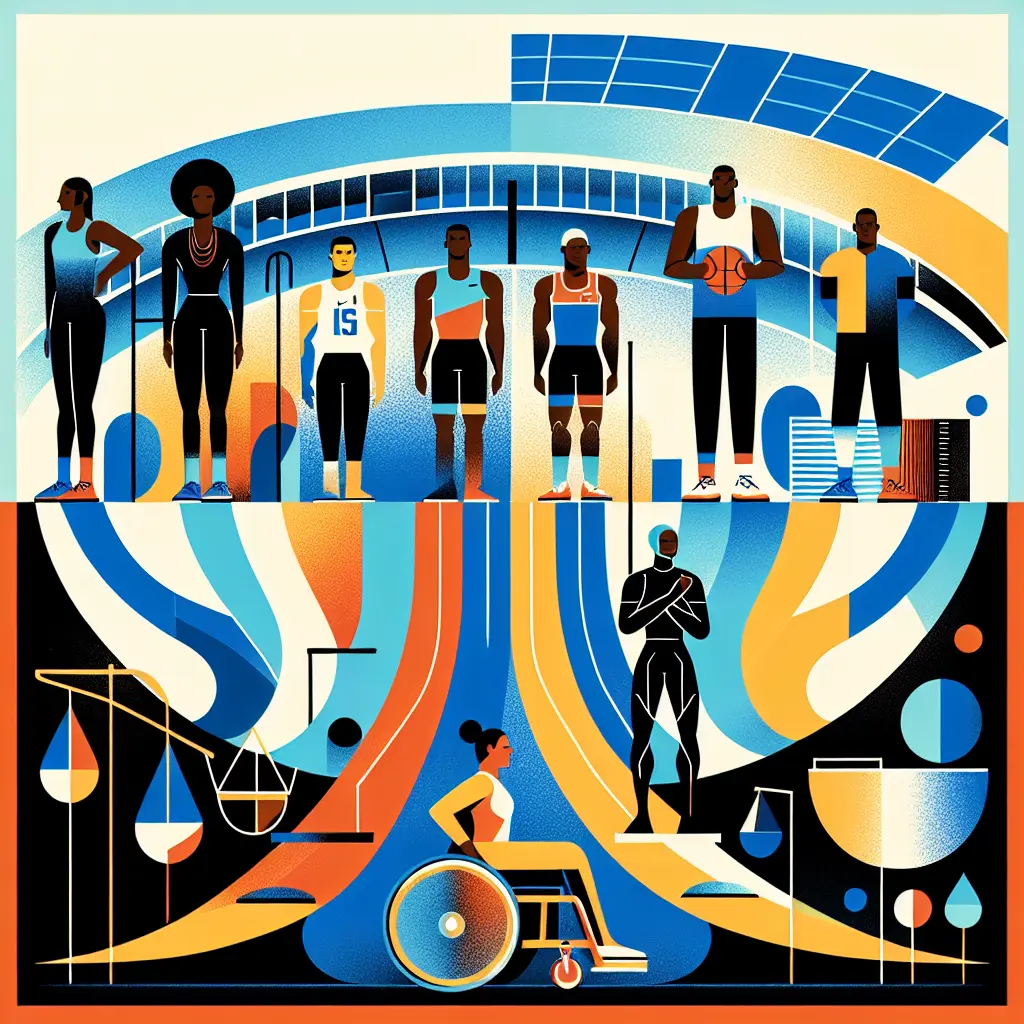
Race, gender, and intersectionality in US sports sociology examine how overlapping identities shape experiences and opportunities within sports. These factors influence access, representation, and treatment of athletes, coaches, and fans. Intersectionality highlights how individuals face unique challenges or privileges based on the combination of their race, gender, and other identities, revealing systemic inequalities and prompting calls for greater equity and inclusion throughout the sports landscape.
Race, gender, and intersectionality in US sports sociology
Race, gender, and intersectionality in US sports sociology examine how overlapping identities shape experiences and opportunities within sports. These factors influence access, representation, and treatment of athletes, coaches, and fans. Intersectionality highlights how individuals face unique challenges or privileges based on the combination of their race, gender, and other identities, revealing systemic inequalities and prompting calls for greater equity and inclusion throughout the sports landscape.
💡 Key Takeaways
- Understand how race, gender, and other intersecting identities shape access to participation, coaching opportunities, and leadership in US sports.
- Analyze how representation and media coverage of athletes, coaches, and fans vary across racial and gender lines—and at their intersections.
- Examine how discrimination, stereotypes, and institutional policies affect opportunities, treatment, and outcomes for marginalized groups in sports.
- Learn how intersectional approaches inform research and policy aimed at promoting equity, inclusion, and fair treatment in US sports sociology.
❓ Frequently Asked Questions
What does intersectionality mean in US sports sociology?
Intersectionality describes how overlapping identities—such as race, gender, and class—combine to shape sports experiences and opportunities in ways that single categories miss.
How do race and gender influence access to sport opportunities?
Access is shaped by resources, facilities, policies, and cultural norms; when race and gender intersect, certain groups may face unique barriers or advantages.
Why is representation in media and leadership important, and how does it vary by race and gender?
Representation affects visibility, role models, and decision-making. Race and gender disparities in athletes, coaches, and coverage show how overlapping identities influence experience and outcomes.
What kinds of factors do researchers examine when studying intersectionality in US sports?
They look at access, representation in teams and media, treatment by officials and fans, sponsorship and funding, and policy effects—all through the lens of intersecting identities.