Racquet grip and stroke mechanics refer to the way a player holds the racquet and the technique used to execute different tennis shots. The grip influences control, power, and spin, while proper stroke mechanics ensure efficient movement, timing, and accuracy. Mastering both elements is essential for consistent performance, injury prevention, and adapting to various playing situations, making them fundamental skills for tennis players at any level.
Racquet Grip & Stroke Mechanics
Racquet grip and stroke mechanics refer to the way a player holds the racquet and the technique used to execute different tennis shots. The grip influences control, power, and spin, while proper stroke mechanics ensure efficient movement, timing, and accuracy. Mastering both elements is essential for consistent performance, injury prevention, and adapting to various playing situations, making them fundamental skills for tennis players at any level.
💡 Key Takeaways
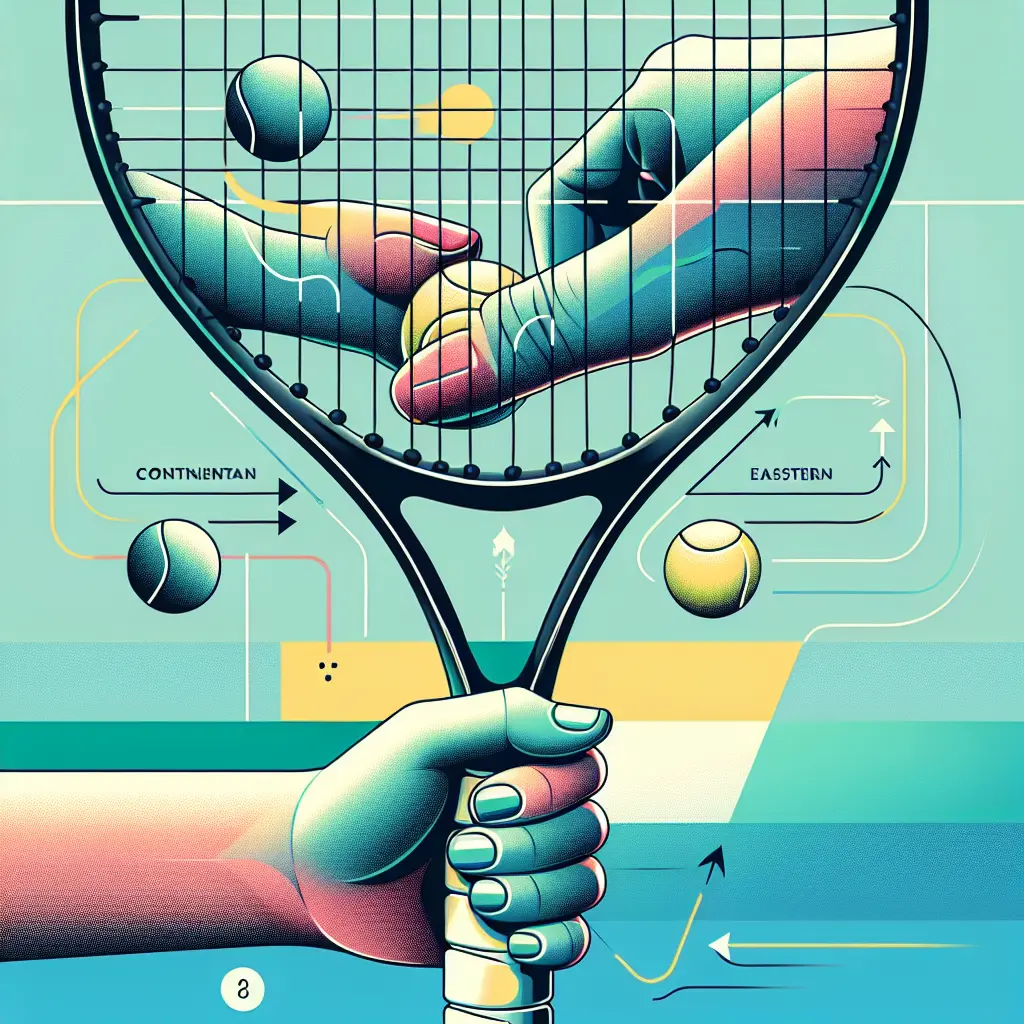
- Identify common tennis grips (continental, eastern, semi-western, and western) and how each affects control, power, and spin on different shots.
- Break down stroke mechanics into takeback, swing path, contact point, and follow-through, and learn how timing and body rotation influence accuracy.
- Spot and fix common grip and stroke errors (tight grip, improper racquet-face angle, mistimed contact) with targeted drills.
- Understand how stance, footwork, weight transfer, and hip rotation work with grip and strokes to produce consistent, efficient shots.
❓ Frequently Asked Questions
What is racquet grip and why does it matter?
The grip is how you hold the racquet handle. It influences control, power, and spin, shaping shot direction and feel.
What are the common tennis grip types and their typical uses?
Continental: serves, volleys, slices; Eastern: flat to moderate topspin forehands; Semi-Western: more topspin on forehands; Western: heavy topspin. Backhand grips vary (Eastern backhand or two-handed).
What are the main components of proper stroke mechanics?
Stance/setup, backswing, point of contact, forward swing, and follow-through, with coordinated body rotation and weight transfer.
How do grip and mechanics affect spin, pace, and accuracy?
Grip angle at contact influences racket face orientation and spin/power; proper mechanics ensure consistent contact, timing, and direction for accuracy.