The phrase “Radio, Payola, and the Top 40 Era” refers to a transformative period in American music history during the mid-20th century. Radio became the primary medium for music dissemination, while “payola” scandals involved record companies bribing DJs to play certain songs. This era also saw the rise of the Top 40 format, where stations played the forty most popular songs, shaping musical tastes and industry practices for decades.
Radio, Payola, and the Top 40 Era
The phrase “Radio, Payola, and the Top 40 Era” refers to a transformative period in American music history during the mid-20th century. Radio became the primary medium for music dissemination, while “payola” scandals involved record companies bribing DJs to play certain songs. This era also saw the rise of the Top 40 format, where stations played the forty most popular songs, shaping musical tastes and industry practices for decades.
💡 Key Takeaways
- Understand how radio became the primary channel for discovering and distributing popular music in mid-20th-century America.
- Explain payola—how record labels bribed DJs to play certain songs—and why it raised ethical and regulatory concerns.
- Describe the Top 40 era and how a small, rotating playlist shaped hit-making and radio programming.
- Explore the cultural and industry ramifications, including reforms that changed music promotion and listeners' trust.
❓ Frequently Asked Questions
What was the Top 40 era?
A mid-20th‑century period when radio stations used a national or local Top 40 chart to decide which songs to play, helping new hits become popular quickly and shaping the sound of popular music.
How did radio become the primary way people heard music during this era?
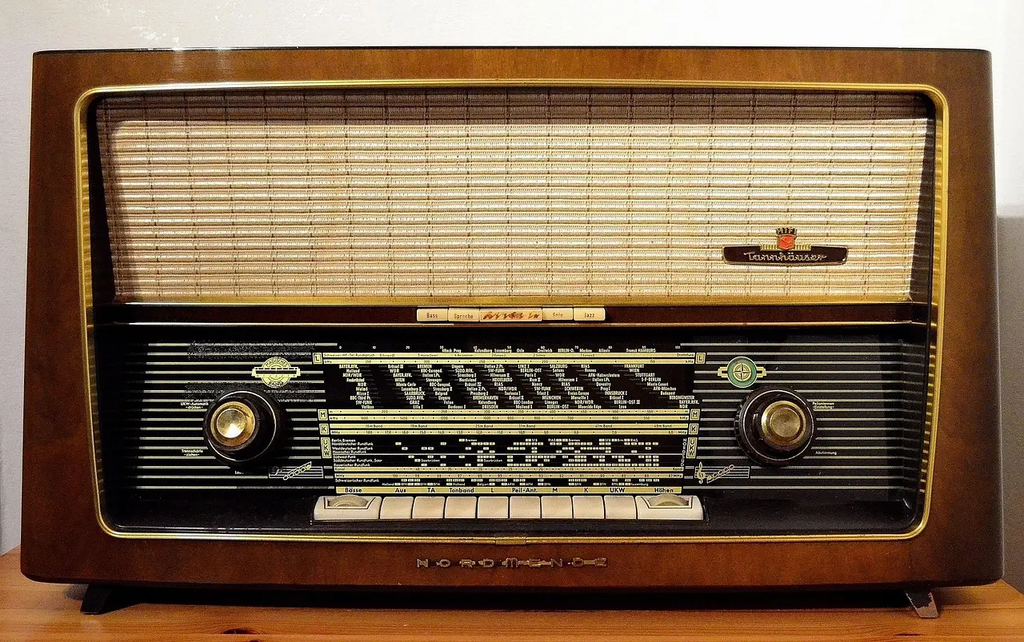
Radio's wide reach, the rise of disk jockeys, and chart‑driven playlists made songs familiar to broad audiences, making radio the main distributor of new hits in the United States.
What is payola and why did it matter in this period?
Payola describes the illegal practice of record labels paying DJs or program directors to spin certain records, which distorted fair competition and drew public scandal in the 1950s.
Who were notable figures or moments in the payola scandals?
Famous cases involved DJs like Alan Freed in the late 1950s, leading to Congressional payola hearings and widespread investigations that reshaped industry practices.
What lasting impact did this era have on American music and radio?
The payola scandals spurred reforms and transparency, solidified the Top 40 format as a national standard, and contributed to rock and roll's rise and the modern way hits are promoted.