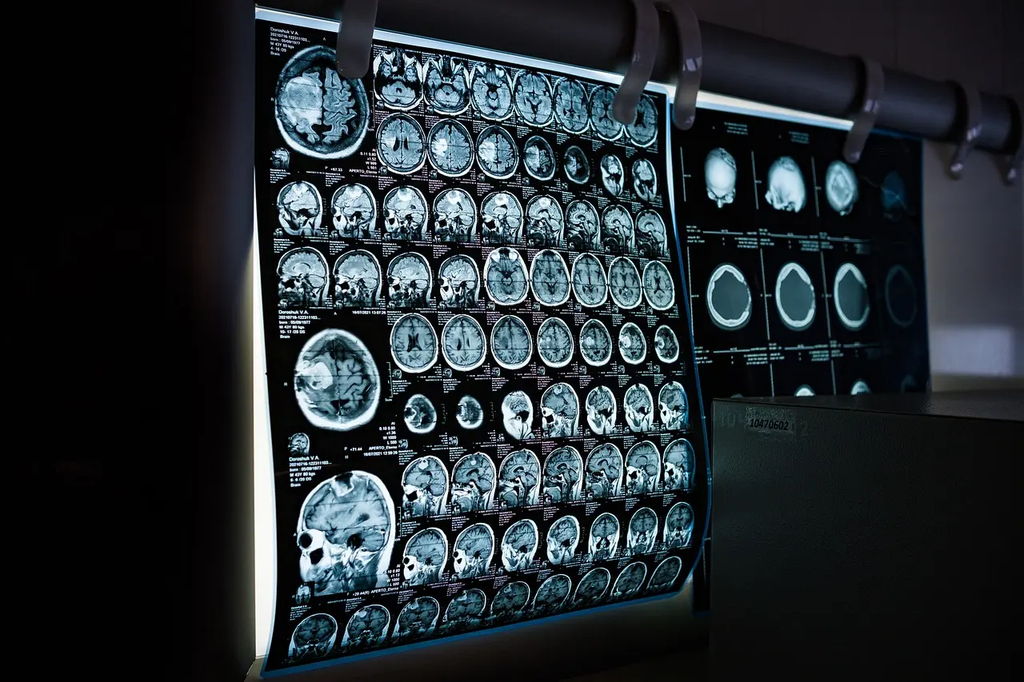
Radiology interpretation basics involve systematically analyzing medical images such as X-rays, CT scans, and MRIs to identify normal anatomy and detect abnormalities. Key steps include verifying patient information, reviewing clinical history, assessing image quality, and using a structured approach to examine anatomical regions. Interpreters look for signs of disease, trauma, or pathology, compare findings with previous studies when available, and communicate results clearly to guide patient management and treatment decisions.
Radiology Interpretation Basics
Radiology interpretation basics involve systematically analyzing medical images such as X-rays, CT scans, and MRIs to identify normal anatomy and detect abnormalities. Key steps include verifying patient information, reviewing clinical history, assessing image quality, and using a structured approach to examine anatomical regions. Interpreters look for signs of disease, trauma, or pathology, compare findings with previous studies when available, and communicate results clearly to guide patient management and treatment decisions.
💡 Key Takeaways
- Learn a structured interpretation workflow covering patient verification, history review, image quality assessment, and systematic reading.
- Verify patient details and clinical history to tailor interpretation and prioritize relevant findings.
- Assess image quality (orientation, exposure, artifacts) to determine reliability of findings.
- Differentiate normal anatomy and common variants from abnormalities across X-ray, CT, and MRI with precise localization.
- Provide a concise impression with recommended next steps, including follow-up imaging or clinical correlation when appropriate.
❓ Frequently Asked Questions
What is radiology interpretation?
The process of examining medical images (X-ray, CT, MRI) to identify normal anatomy and detect abnormalities, while considering the patient and clinical history.
What are the core steps in a systematic interpretation?
Verify patient details, review clinical history, assess image quality, analyze anatomy for normal vs. abnormal findings, compare with prior studies if available, and document conclusions.
Why is image quality assessment important?
Good image quality is essential to reveal true findings; poor exposure, positioning, or artifacts can obscure problems or create false positives.
How does clinical history influence radiology interpretation?
It guides what to look for, helps differentiate expected variants from pathology, and prioritizes findings relevant to the patient’s symptoms or diagnosis.