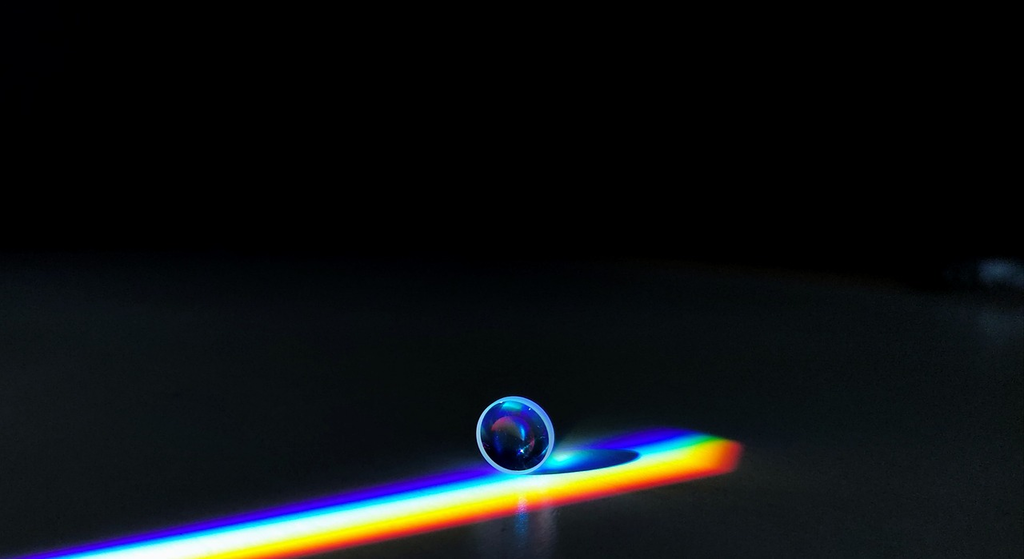
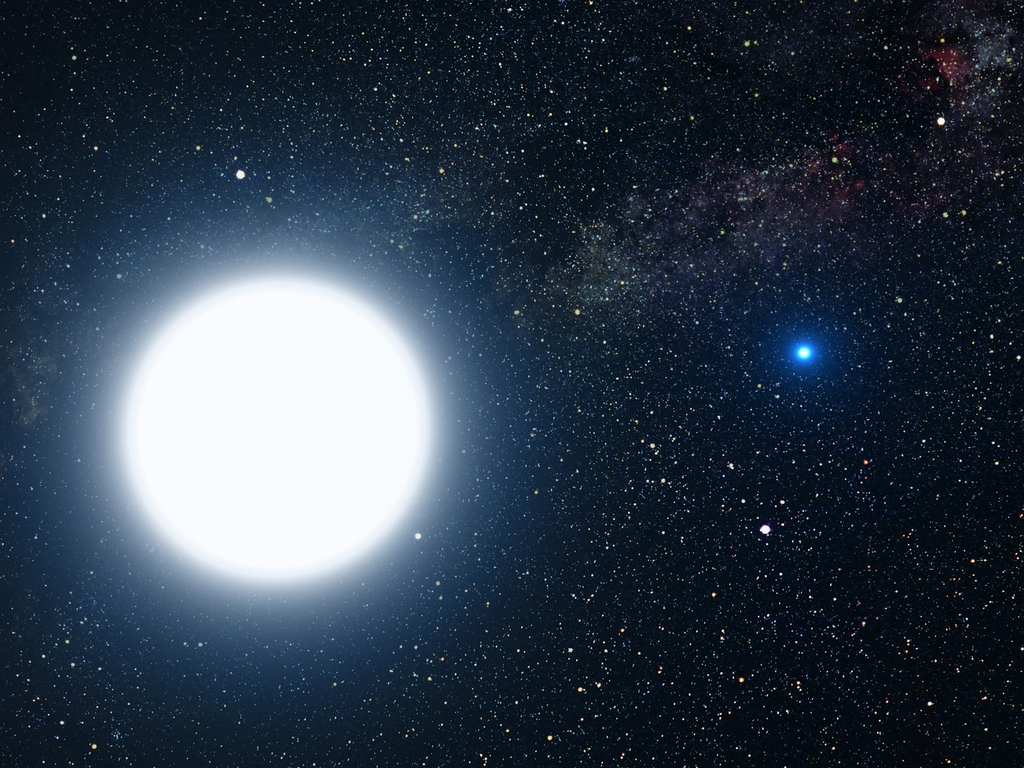
Rainbow colors follow a specific order: red, orange, yellow, green, blue, indigo, and violet, often remembered by the acronym ROYGBIV. This sequence appears in natural rainbows due to the dispersion of sunlight through water droplets in the sky. Rainbows and stars are both sky signs, with rainbows displaying this colorful spectrum after rain, while stars shine as distinct points of light, symbolizing wonder and beauty in the night sky.
Rainbow Colors Order
Rainbow colors follow a specific order: red, orange, yellow, green, blue, indigo, and violet, often remembered by the acronym ROYGBIV. This sequence appears in natural rainbows due to the dispersion of sunlight through water droplets in the sky. Rainbows and stars are both sky signs, with rainbows displaying this colorful spectrum after rain, while stars shine as distinct points of light, symbolizing wonder and beauty in the night sky.

💡 Key Takeaways
- Remember the standard rainbow order: Red, Orange, Yellow, Green, Blue, Indigo, Violet (ROYGBIV).
- Understand that the sequence reflects increasing wavelength from red to violet in visible light.
- Distinguish how rainbow colors appear in light (additive color mixing) versus pigments (subtractive color mixing).
- Use a mnemonic to recall the order and know that Indigo is sometimes omitted in casual usage.
❓ Frequently Asked Questions
What is the common order of rainbow colors?
Red, Orange, Yellow, Green, Blue, Indigo, Violet (ROYGBIV); arranged from longest to shortest wavelength.
How many colors are typically taught in a rainbow?
Seven colors are commonly taught: Red, Orange, Yellow, Green, Blue, Indigo, Violet.
What causes a rainbow to form?
Sunlight enters raindrops, is refracted (bent), reflected inside the drop, then refracted again as it exits, separating light into colors.
How can I remember the color order?
Use the ROYGBIV mnemonic: Red, Orange, Yellow, Green, Blue, Indigo, Violet.
Are Indigo and Violet separate colors in the rainbow?
Traditionally yes (as Indigo and Violet are distinct in ROYGBIV), but some descriptions merge Indigo with blue or violet; the spectrum is continuous.