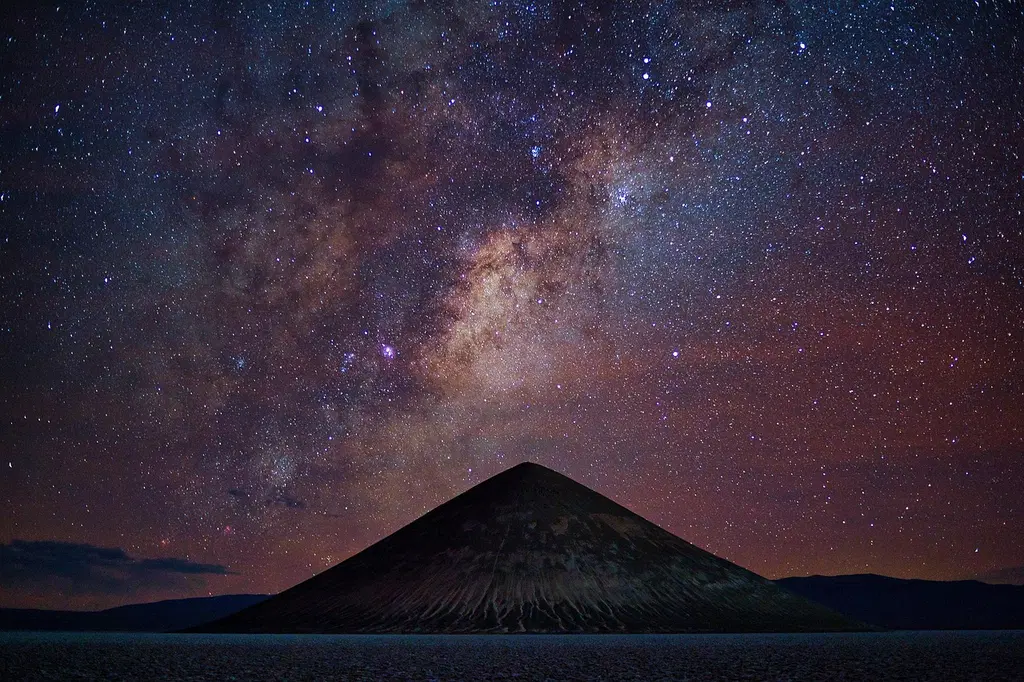
"Rainbow Myths" refers to the fascinating legends and stories that different cultures have created to explain the appearance of rainbows in the sky. Often seen as magical or divine signs, rainbows have been interpreted as bridges between worlds, messages from gods, or symbols of hope and promise. These myths highlight humanity’s enduring wonder at natural phenomena and reveal how people have historically connected sky signs like rainbows and stars to their beliefs and imaginations.
Rainbow Myths
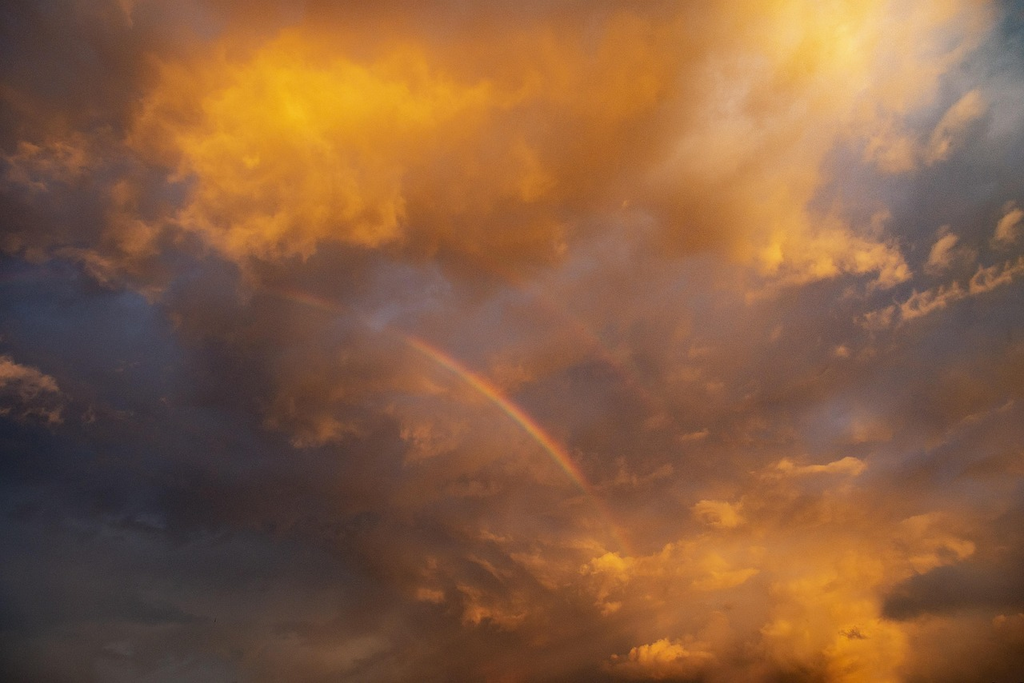
"Rainbow Myths" refers to the fascinating legends and stories that different cultures have created to explain the appearance of rainbows in the sky. Often seen as magical or divine signs, rainbows have been interpreted as bridges between worlds, messages from gods, or symbols of hope and promise. These myths highlight humanity’s enduring wonder at natural phenomena and reveal how people have historically connected sky signs like rainbows and stars to their beliefs and imaginations.
💡 Key Takeaways
- How rainbows form: light refraction, reflection, and dispersion
- Common rainbow myths and why they're not true
- Primary vs. secondary rainbows and their color patterns
- Cultural myths and symbolism of rainbows around the world
- How weather, sun angle, and droplet size affect rainbow visibility and colors
❓ Frequently Asked Questions
What is a rainbow in scientific terms?
A meteorological optical phenomenon where sunlight is refracted, dispersed, and reflected by water droplets, producing a spectrum of colors.
Which cultures have notable myths about rainbows?
Norse: Bifröst, the rainbow bridge; Greek: Iris, messenger goddess; Aboriginal Australian: Rainbow Serpent, a creator being.
What do the colors of the rainbow symbolize in myths?
Colors often carry symbolic meanings—red for life or courage, blue for water/sky, yellow for sun/harvest—though specific associations vary by culture.
Is the color order of a rainbow always the same?
In a primary rainbow, the colors typically appear from red outside to violet inside; variations can occur with double rainbows or different lighting conditions.