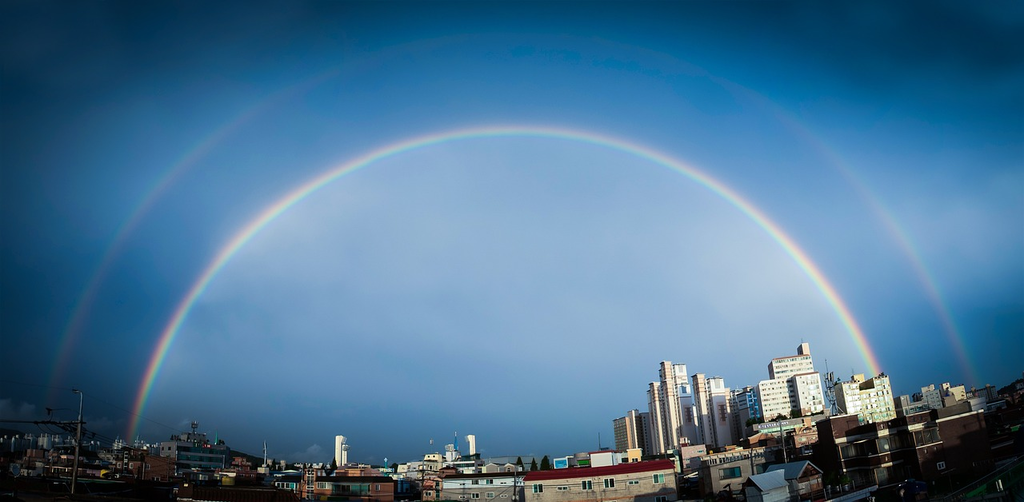
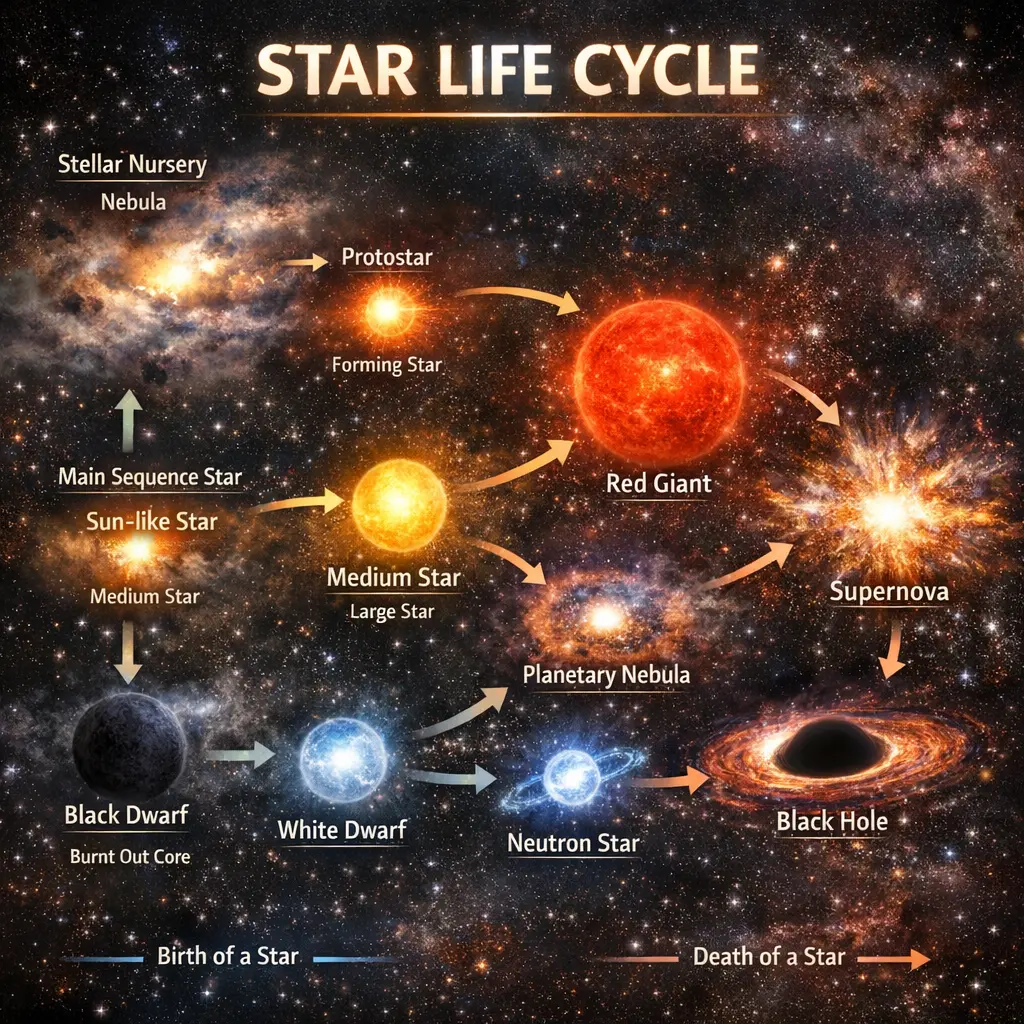
Rainbow Science explores the fascinating natural phenomena of rainbows and stars, focusing on the scientific principles behind their formation and appearance in the sky. It examines how sunlight interacts with water droplets to create rainbows, explaining concepts like refraction, reflection, and dispersion. Additionally, Rainbow Science delves into the study of stars, their light, and patterns in the night sky, helping us understand both daytime and nighttime "sky signs" through a scientific lens.
Rainbow Science
Rainbow Science explores the fascinating natural phenomena of rainbows and stars, focusing on the scientific principles behind their formation and appearance in the sky. It examines how sunlight interacts with water droplets to create rainbows, explaining concepts like refraction, reflection, and dispersion. Additionally, Rainbow Science delves into the study of stars, their light, and patterns in the night sky, helping us understand both daytime and nighttime "sky signs" through a scientific lens.

💡 Key Takeaways
- Explain how light refracts, reflects, and disperses in water droplets to form a rainbow.
- Learn the order of colors in a rainbow (ROYGBIV) and why different wavelengths appear as different colors.
- Explore basic color mixing in light (additive color) and how it relates to color perception.
- See real-world examples of rainbow science, from prisms to rain and color filters.
❓ Frequently Asked Questions
What causes a rainbow to form?
Rainbows form when sunlight enters raindrops, is refracted, reflects inside the drop, and is refracted again as it exits, splitting light into a spectrum.
Why do rainbows show colors in a specific order?
Different wavelengths bend by different amounts (dispersion). Red bends least and appears on the outer edge; violet bends most and is on the inner edge.
Can you see a rainbow without rain?
Yes—rainbows can form in mist, fog, or spray when there are many tiny water droplets and bright light (usually sunlight).
What’s the difference between a primary and a secondary rainbow?
A primary rainbow is brighter with red on the outside; a secondary rainbow is fainter with the color order reversed (red on the inner edge) due to two internal reflections.