Rare musical instruments are unique, often historically significant devices used to create music, but are seldom seen or played today. They may be handcrafted, originate from specific cultures, or have unconventional designs and sounds. Examples include the glass armonica, nyckelharpa, or theremin. These instruments are prized by collectors and musicians for their distinct tonal qualities and the cultural heritage they represent, often requiring specialized skill to play and maintain.
Rare Musical Instruments
Rare musical instruments are unique, often historically significant devices used to create music, but are seldom seen or played today. They may be handcrafted, originate from specific cultures, or have unconventional designs and sounds. Examples include the glass armonica, nyckelharpa, or theremin. These instruments are prized by collectors and musicians for their distinct tonal qualities and the cultural heritage they represent, often requiring specialized skill to play and maintain.
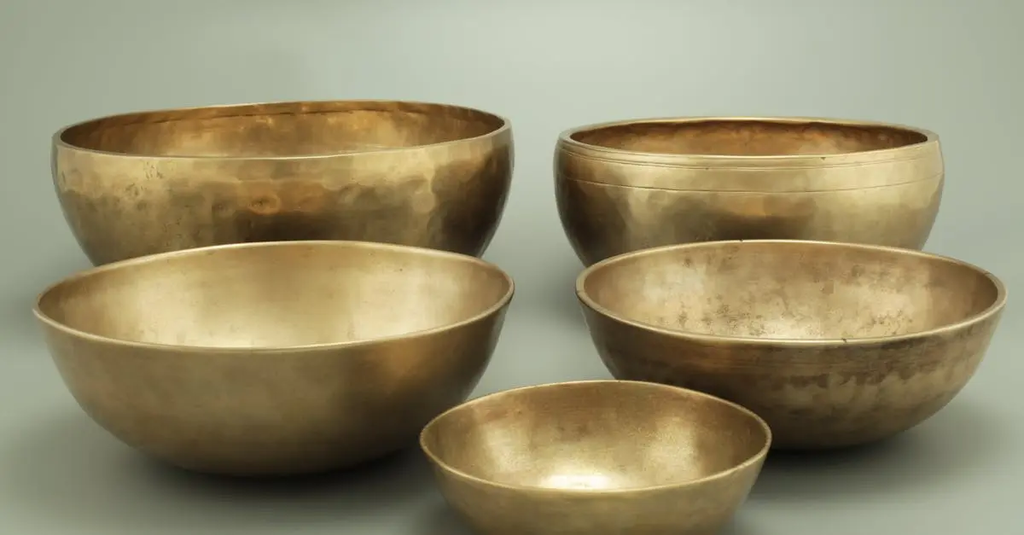
💡 Key Takeaways
- Learn to recognize rare musical instruments and their cultural origins (e.g., glass armonica, nyckelharpa, theremin).
- Understand what makes an instrument rare—handcrafted design, historical significance, and limited availability.
- Describe how these instruments produce unique sounds and playing techniques compared to typical modern instruments.
- Appreciate the historical and cultural context behind rare instruments and why they matter in music history.
❓ Frequently Asked Questions
What qualifies as a rare musical instrument?
Instruments that are unusual, often handcrafted, historically significant, culturally specific, or no longer widely used today.
What is the glass armonica and how is its sound produced?
A set of glass bowls of different sizes spun on a rod; rubbing the rims with wet fingers makes the glass vibrate and produce ethereal tones.
What is nyckelharpa and where does it come from?
A traditional Swedish keyed fiddle with wooden keys that press on strings to change pitch; played with a bow and known for its distinctive resonant folk sound.
How does the theremin generate sound without being touched?
An electronic instrument that uses antennas to sense hand position, with distance controlling pitch and volume through oscillators, producing eerie, wavering tones.