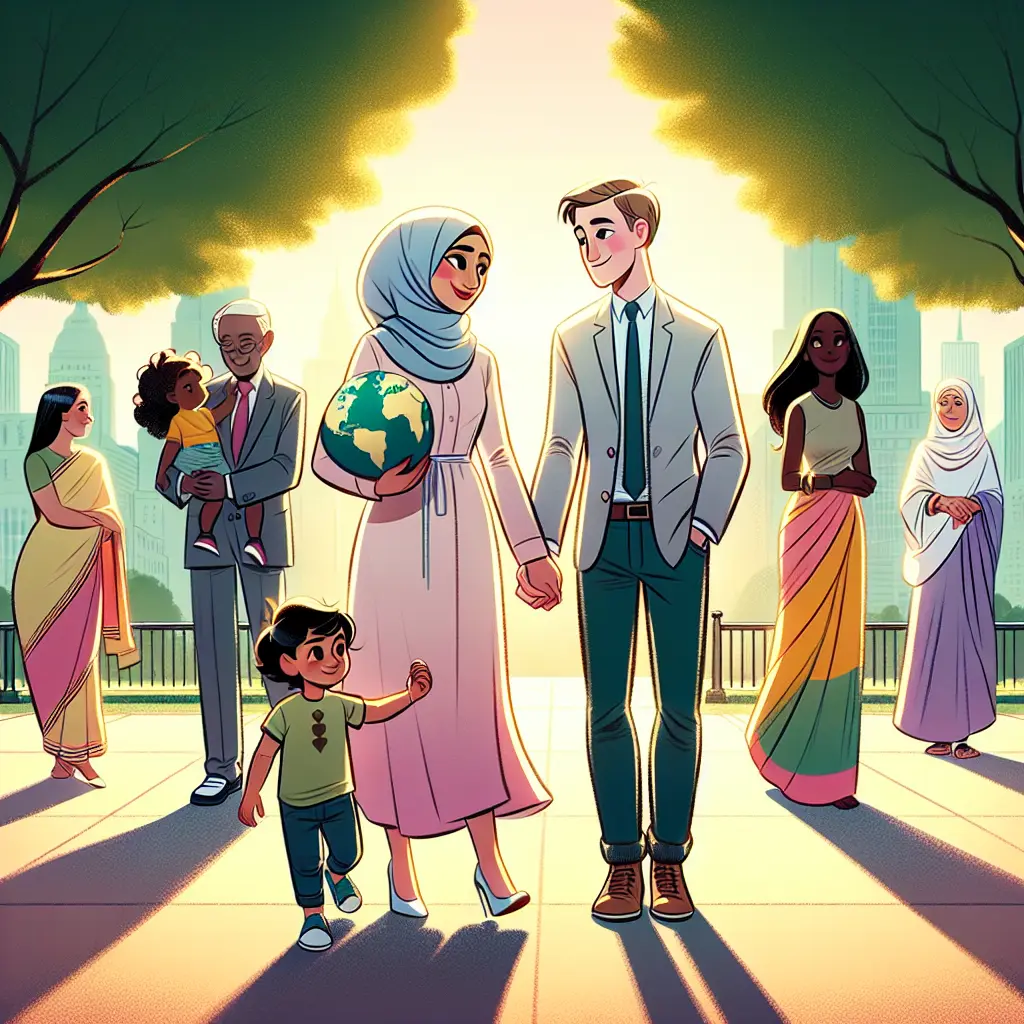
Rare wedding customs by region refer to unique and lesser-known traditions practiced during marriage ceremonies in specific areas around the world. These customs often reflect local history, beliefs, and cultural values, varying greatly from one place to another. Examples include the “money dance” in the Philippines, the “shoe hiding” game in India, or the “log cutting” ritual in Germany, each adding distinct meaning and celebration to the union of two people.
Rare Wedding Customs by Region
Rare wedding customs by region refer to unique and lesser-known traditions practiced during marriage ceremonies in specific areas around the world. These customs often reflect local history, beliefs, and cultural values, varying greatly from one place to another. Examples include the “money dance” in the Philippines, the “shoe hiding” game in India, or the “log cutting” ritual in Germany, each adding distinct meaning and celebration to the union of two people.
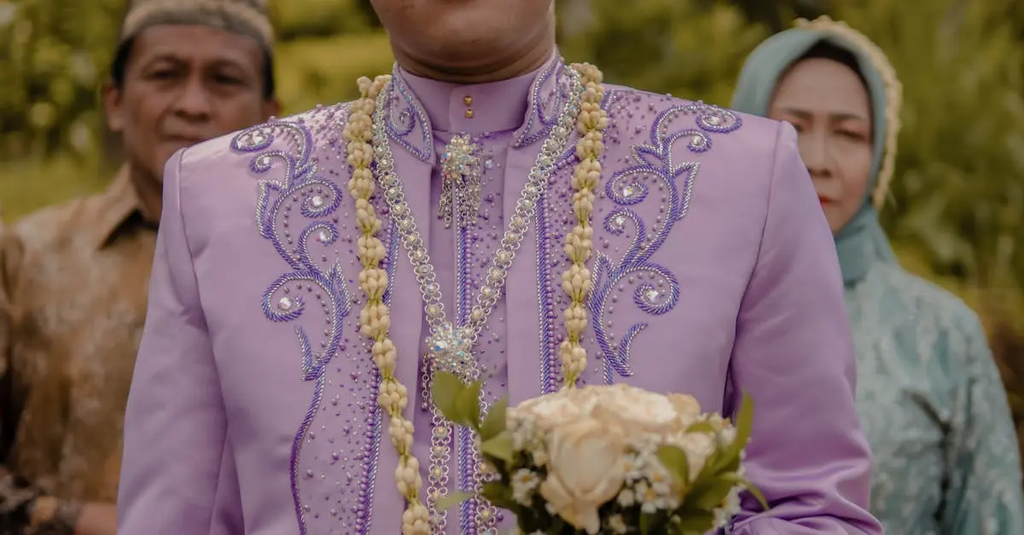
💡 Key Takeaways
- Understand how rare regional wedding customs reflect local history, beliefs, and cultural values.
- Compare how regional traditions differ in symbolism and participation across the world.
- Identify common regional rites (such as money dances, blessings, or ritual dances) and what they signify for couples and guests.
- Learn respectful ways to observe, interpret, and participate in unfamiliar wedding rituals at multicultural celebrations.
❓ Frequently Asked Questions
What are rare wedding customs by region?
They’re unique, lesser-known marriage traditions tied to specific places, reflecting local history, beliefs, and values. They can occur during the ceremony, the reception, or after, and vary widely from place to place.
What is the money dance and what does it symbolize?
A reception ritual where guests give the couple money (often pinned to clothing or placed in envelopes) to help fund their new life together; its form and symbolism vary by region and community.
Can you name a few examples of regional wedding customs and what they signify?
Examples include jumping the broom (new beginnings in some African diaspora communities), handfasting (binding vows in Celtic traditions), and money/dollar dances (support for the couple); each reflects local beliefs and history.
How can you approach quiz questions about regional wedding customs respectfully?
Look for clues about location and culture in the question, answer with the customs’ meanings, and avoid stereotyping—acknowledge diversity, origin, and significance behind each tradition.