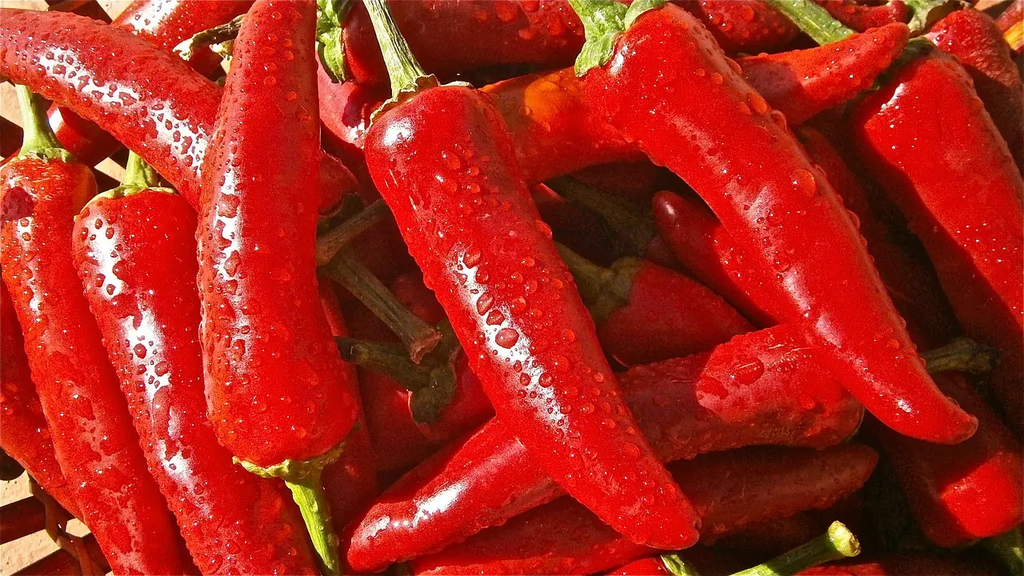
The raw food diet emphasizes consuming uncooked, unprocessed foods, mainly fruits, vegetables, nuts, and seeds. While it promotes healthy habits and incorporates nutrient-rich superfoods, challenges include meeting protein and calorie needs, potential nutrient deficiencies (like vitamin B12 and iron), and limited food variety. Social situations and meal preparation can also be difficult. Despite these obstacles, proponents believe the diet boosts energy, improves digestion, and supports overall well-being.
Raw Food Diet Challenges
The raw food diet emphasizes consuming uncooked, unprocessed foods, mainly fruits, vegetables, nuts, and seeds. While it promotes healthy habits and incorporates nutrient-rich superfoods, challenges include meeting protein and calorie needs, potential nutrient deficiencies (like vitamin B12 and iron), and limited food variety. Social situations and meal preparation can also be difficult. Despite these obstacles, proponents believe the diet boosts energy, improves digestion, and supports overall well-being.
💡 Key Takeaways
- Identify key nutrients that may be challenging to obtain on a raw food diet (e.g., B12, iron, calcium, omega-3s)
- Understand common safety and contamination risks with raw foods and how to minimize them
- Recognize practical challenges like meal planning, cost, and time for ingredient prep
- Explore strategies to balance variety and nutrient density while following a raw food approach
❓ Frequently Asked Questions
What is a raw food diet?
A diet that emphasizes uncooked or minimally heated plant foods, and sometimes raw animal products, such as fruits, vegetables, nuts, seeds, sprouts, and certain raw dairy or seafood depending on the approach.
What are common nutritional risks or deficiencies with raw diets?
Potential gaps in protein, vitamin B12, iron, calcium, zinc, and iodine, plus possible low energy if calories are not adequate. Careful planning and, when needed, supplementation are important.
How can you maintain protein and essential nutrients on a raw food diet?
Include a variety of raw protein sources like nuts, seeds, and sprouts; consider fortified foods or supplements (especially B12); incorporate iron- and zinc-rich greens and seeds; discuss plans with a dietitian.
How do you handle safety and digestion on a raw food diet?
Prioritize food safety (wash produce, avoid spoiled items, be cautious with raw dairy or eggs), store foods properly, introduce high-fiber foods gradually, and stay hydrated; consult a clinician if you have digestive concerns or persistent symptoms.