Reading for Structure & Mapping involves analyzing a text to understand its organization and main ideas. Instead of focusing solely on details, readers identify headings, subheadings, and key points, creating an outline or “map” of the material. This approach helps in grasping the overall flow, relationships between concepts, and the author’s argument, making it easier to remember, review, and synthesize information efficiently.
Reading for Structure & Mapping
Reading for Structure & Mapping involves analyzing a text to understand its organization and main ideas. Instead of focusing solely on details, readers identify headings, subheadings, and key points, creating an outline or “map” of the material. This approach helps in grasping the overall flow, relationships between concepts, and the author’s argument, making it easier to remember, review, and synthesize information efficiently.
💡 Key Takeaways
- Identify the structure of a text by noting headings, sections, and transitions.
- Create a map of main ideas and supporting details to improve comprehension.
- Recognize common text structures (sequence, cause-effect, problem-solution, compare-contrast) and how they organize information.
- Use outlines or concept maps to synthesize information and plan your reading.
❓ Frequently Asked Questions
What does 'structure' mean in reading?
Structure is how a text is organized: the order, sections, and patterns (headings, paragraphs, sequences). Recognizing structure helps you locate main ideas and evidence.
What is 'mapping' in reading?
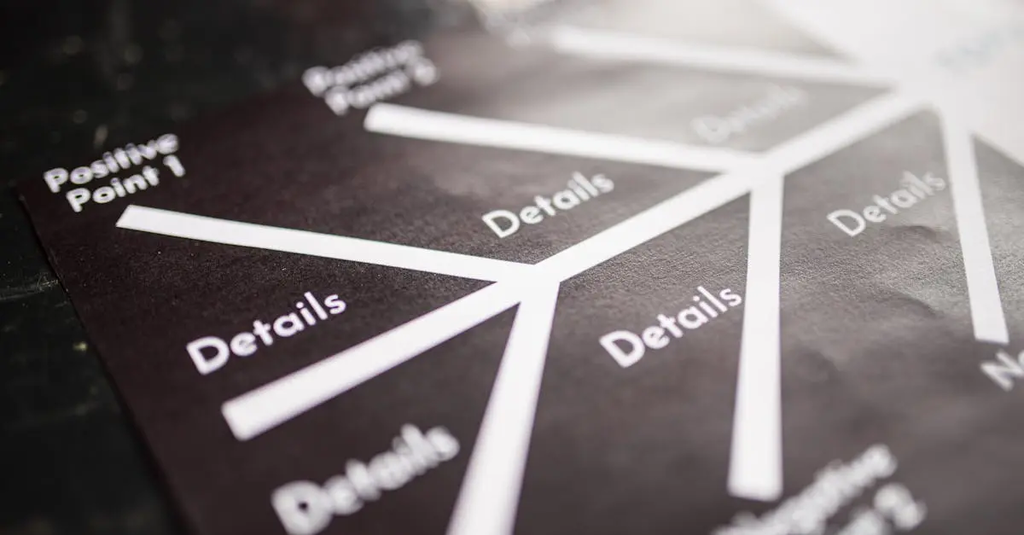
Mapping is creating a visual map (like a concept map or outline) of how ideas connect. It helps you see relationships and remember the information.
How do you identify the main idea and supporting details?
Look for the topic sentence and the ideas that repeat or explain it. Use a quick summary of the paragraph in one sentence.
What common structures should you look for in a passage?
Common structures include chronological, cause/effect, problem-solution, and compare/contrast. Look for signal words like 'before', 'as a result', 'however', or 'similarly'.