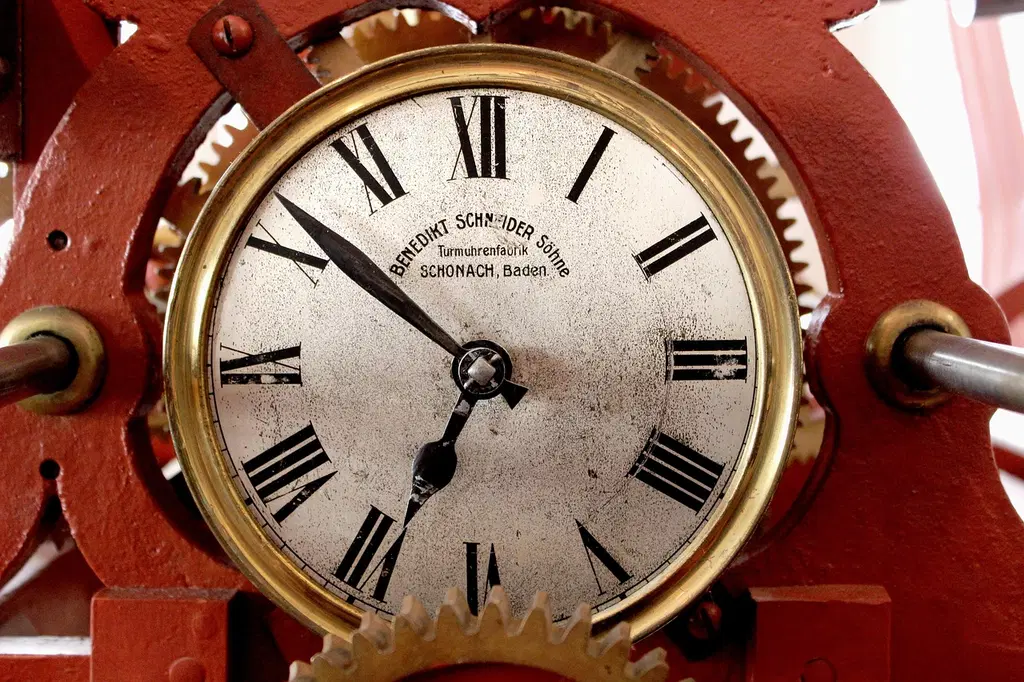
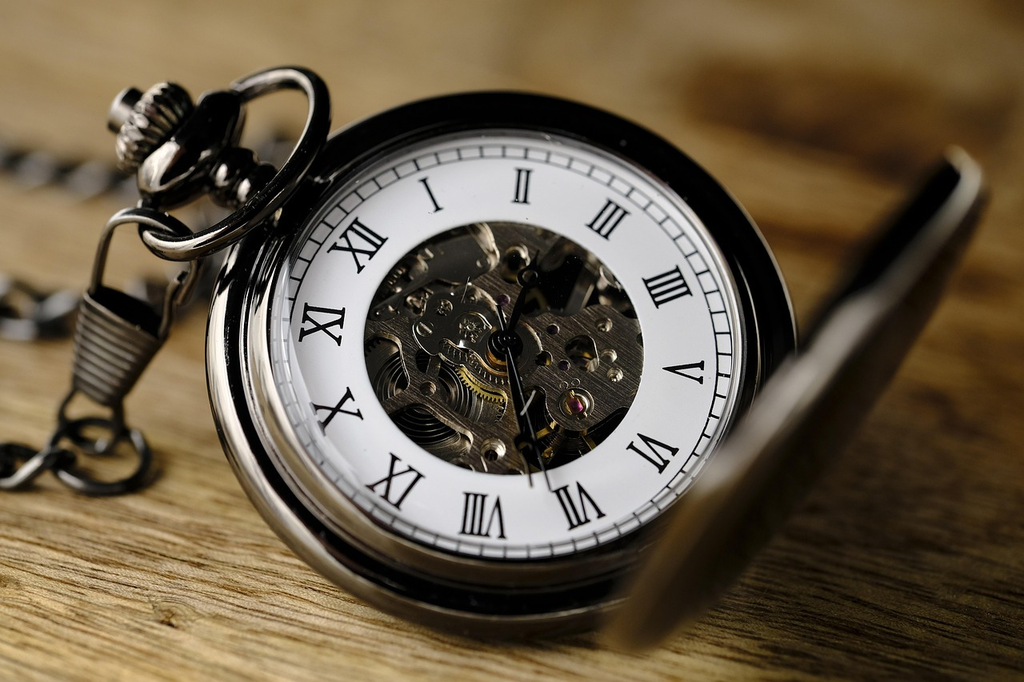
"Reading Time on Clocks (Daily Essentials (Clocks & Keys))" refers to the essential skill of interpreting the time displayed on both analog and digital clocks. This ability is fundamental for managing daily routines, appointments, and activities. Understanding how to read clocks helps individuals develop time management skills, punctuality, and independence. It is a basic life skill taught early in education, forming a foundation for more advanced concepts related to time and scheduling.
Reading Time on Clocks+50
"Reading Time on Clocks (Daily Essentials (Clocks & Keys))" refers to the essential skill of interpreting the time displayed on both analog and digital clocks. This ability is fundamental for managing daily routines, appointments, and activities. Understanding how to read clocks helps individuals develop time management skills, punctuality, and independence. It is a basic life skill taught early in education, forming a foundation for more advanced concepts related to time and scheduling.
💡 Key Takeaways
- Identify the hour and minute hands to read the exact time on analog clocks.
- Calculate elapsed time and time intervals from clock times.
- Spot common reading mistakes and learn quick checks to avoid them.
- Apply clock-reading skills to everyday tasks like schedules and reminders.
❓ Frequently Asked Questions
How do you read time on an analog clock with hour and minute hands?
The hour hand shows the current hour (moving as minutes pass); the minute hand shows minutes. Each dial number represents 5-minute increments (1=5, 2=10, ..., 12=60). If the minute hand is between numbers, read the minutes accordingly (e.g., 3:15 has the minute hand on 3 and the hour hand just past 3).
What do quarter past, half past, and quarter to mean?
Quarter past = 15 minutes after the hour (e.g., 3:15). Half past = 30 minutes after (3:30). Quarter to = 15 minutes before the next hour (3:45).
How do you read the seconds on a clock with a second hand?
The second hand completes one rotation every 60 seconds. Each tick represents one second; the current second is the mark the hand points to (0 at 12, then 1–59).
Why do some clocks show IIII instead of IV, and does it matter for reading time?
IIII is a traditional clock-face style used for visual balance and heritage. It represents 4; it does not affect how you read the time.