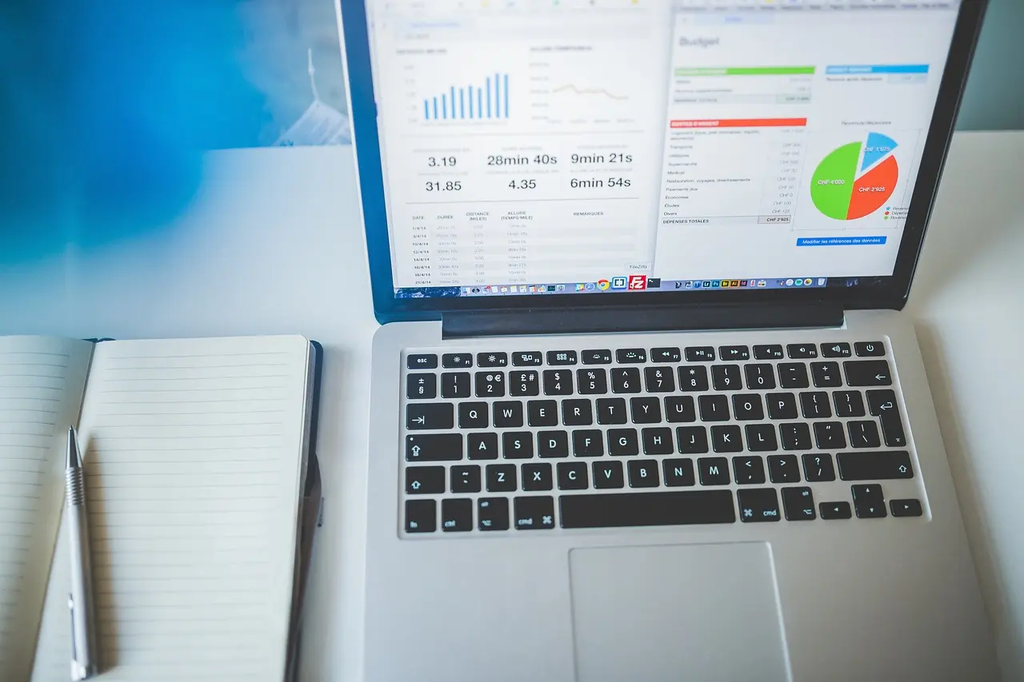
Real-time analytics and sideline tools refer to technologies that provide immediate data collection, processing, and visualization during live events, such as sports games. These tools enable coaches, analysts, and players to monitor performance metrics, track player movements, and make data-driven decisions instantly. By delivering actionable insights on the spot, they enhance strategy adjustments, injury prevention, and overall team performance, offering a competitive edge during critical moments of the game.
Real-Time Analytics and Sideline Tools
Real-time analytics and sideline tools refer to technologies that provide immediate data collection, processing, and visualization during live events, such as sports games. These tools enable coaches, analysts, and players to monitor performance metrics, track player movements, and make data-driven decisions instantly. By delivering actionable insights on the spot, they enhance strategy adjustments, injury prevention, and overall team performance, offering a competitive edge during critical moments of the game.
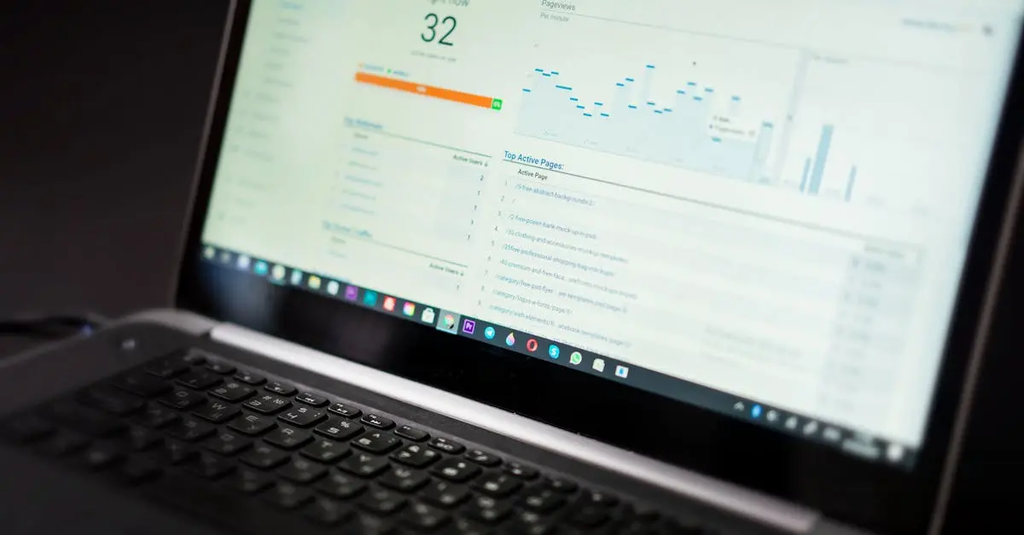
💡 Key Takeaways
- Explain how real-time data is collected, processed, and visualized on game-day dashboards to support on-field decisions.
- Describe key real-time football metrics (speed, distance, acceleration, route/run efficiency, and player load) and how coaches interpret them.
- Understand how sideline analytics inform tactical adjustments, player management, and injury risk assessment during a game.
- Identify potential challenges in real-time analytics (latency, data quality, privacy, and equipment reliability) and how teams mitigate them.
❓ Frequently Asked Questions
What is real-time analytics in American football?
Real-time analytics use sensors, cameras, and software to collect and process data instantly during a game, providing coaches and analysts with up-to-the-second insights.
What are sideline tools?
Sideline tools are devices and apps used on the sidelines (like tablets, dashboards, wearables) to monitor metrics, visualize plays, and support quick tactical decisions.
What types of data are monitored in real-time?
Movement and position data (speed, distance, routes), player load and heart rate, play outcomes, formations, and other tactical metrics used to evaluate performance.
How do teams use real-time analytics to make decisions?
Teams use live dashboards and alerts to adjust play calls, substitutions, player roles, and strategy based on current performance and opponent patterns.