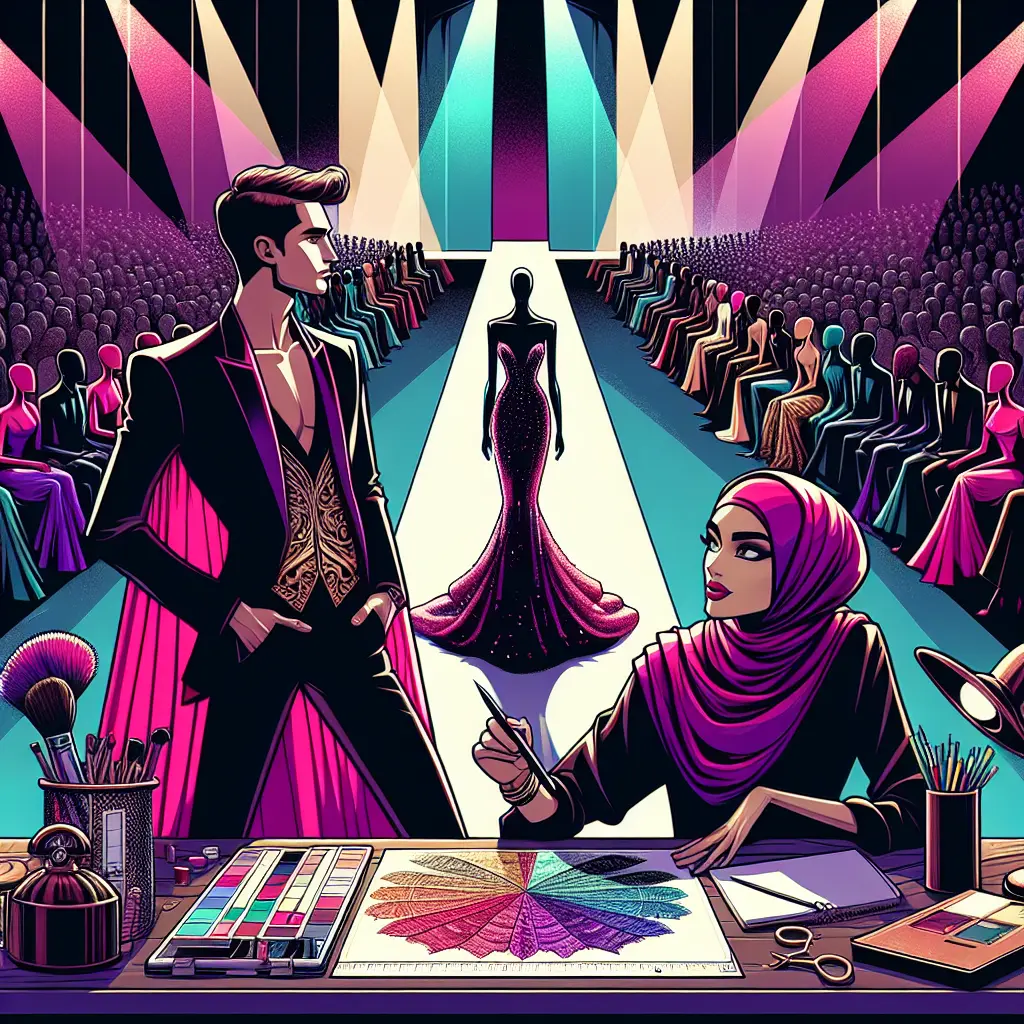
Reality Competition Icons like "Top Model" and "Project Runway" are influential television shows that blend entertainment with the pursuit of creative excellence. Contestants, often aspiring models or designers, face themed challenges and eliminations, judged by industry experts. These programs have launched careers, shaped trends, and captivated audiences with high-stakes drama, personal growth stories, and behind-the-scenes glimpses into the fashion and modeling worlds, making them cultural touchstones in reality TV.
Reality Competition Icons (Top Model, Project Runway)
Reality Competition Icons like "Top Model" and "Project Runway" are influential television shows that blend entertainment with the pursuit of creative excellence. Contestants, often aspiring models or designers, face themed challenges and eliminations, judged by industry experts. These programs have launched careers, shaped trends, and captivated audiences with high-stakes drama, personal growth stories, and behind-the-scenes glimpses into the fashion and modeling worlds, making them cultural touchstones in reality TV.
💡 Key Takeaways
- Identify the core format of 90s/2000s reality competition shows: themed challenges, eliminations, and expert judging.
- Compare modeling-focused and fashion design challenges and the criteria judges use.
- Recall iconic hosts, judges, and moments that defined the era and influenced pop culture.
- Understand how these shows blend entertainment value with real skill development and shaped fashion trends.
- Recognize the impact on contestants' careers and the broader fashion industry and reality TV tropes.
❓ Frequently Asked Questions
What are Reality Competition Icons (Top Model, Project Runway) about?
They are reality TV shows where aspiring models or designers compete in themed challenges, receiving feedback from industry judges. The goal is to demonstrate creativity and skill to win prizes and recognition.
How do contestants advance and face eliminations?
Each episode features challenges (often a photoshoot or a design task). Contestants are judged, and the weakest performer(s) are eliminated until a winner remains.
What kinds of challenges and how are they judged?
Challenges test creativity, technique, and presentation. Models are judged on walking, posing, and presence; designers on concept, construction, and presentation. Judges assess creativity, quality, and marketability.
Why are these shows nostalgic for 90s/2000s audiences?
They helped define the era's reality-competition format, popularized fashion-focused storytelling, and produced memorable moments that remain iconic to fans of that era.