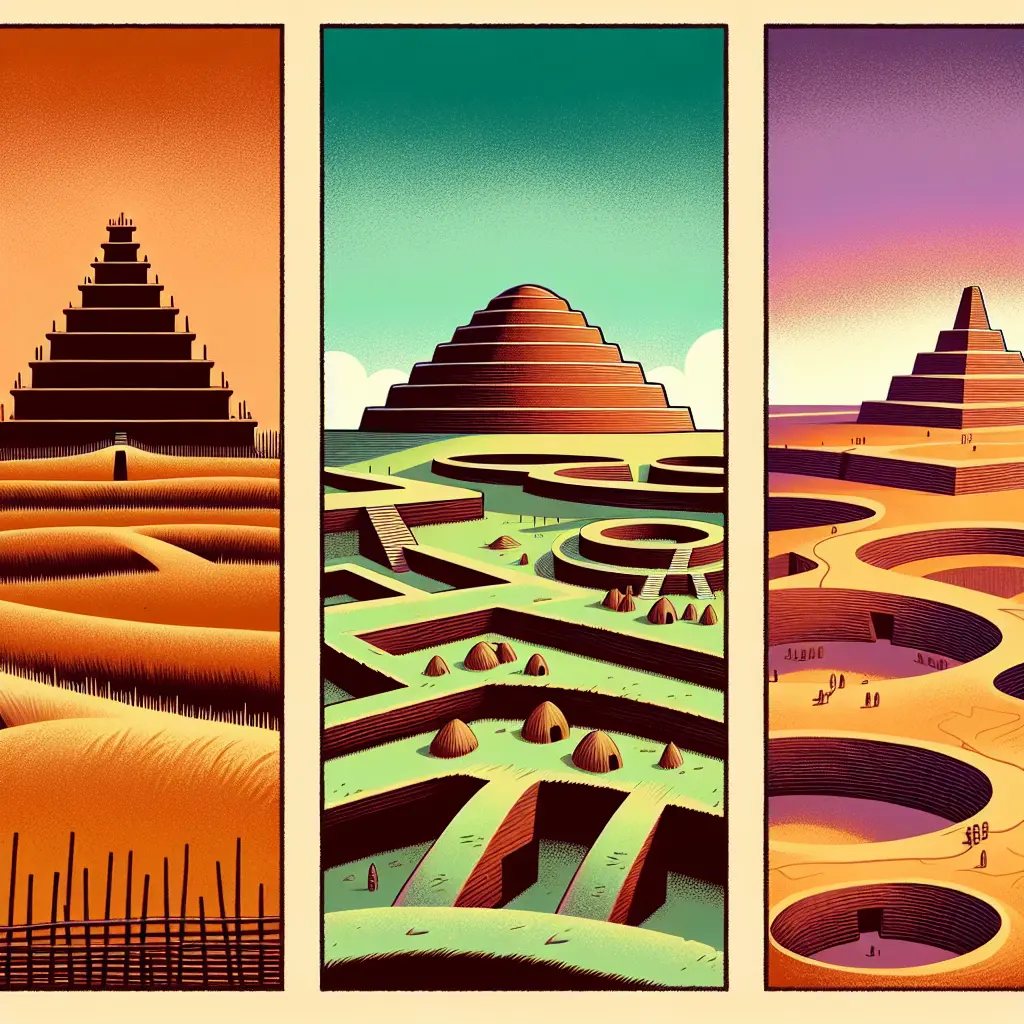
"Reconstruction vs Ruin: Authenticity Debates at Historic Sites" refers to the ongoing discussion about whether to restore historic sites to their former appearance or preserve them in their current, often ruined state. Proponents of reconstruction argue it aids understanding and engagement, while advocates for preserving ruins emphasize maintaining original materials and historical integrity. This debate centers on how best to honor the past while providing meaningful experiences for present and future generations.
Reconstruction vs Ruin: Authenticity Debates at Historic Sites
"Reconstruction vs Ruin: Authenticity Debates at Historic Sites" refers to the ongoing discussion about whether to restore historic sites to their former appearance or preserve them in their current, often ruined state. Proponents of reconstruction argue it aids understanding and engagement, while advocates for preserving ruins emphasize maintaining original materials and historical integrity. This debate centers on how best to honor the past while providing meaningful experiences for present and future generations.

💡 Key Takeaways
- Understand the core debate between reconstructing historic sites to their former appearance and preserving them in their current state.
- Identify arguments in favor of reconstruction (education, visitor engagement) and criticisms (risks of misrepresentation and erasing history).
- Learn how authenticity, integrity, and documentary evidence shape preservation decisions.
- Explore how restoration choices affect interpretation, accessibility, and the visitor experience at iconic American landmarks and hidden gems.
❓ Frequently Asked Questions
What is reconstruction in historic-site preservation?
Rebuilding or restoring a site to its known historical appearance, often including inferred details to show how it looked in the past.
What does preserving ruins entail?
Keeping the site in its current, weathered state to protect authentic material evidence and convey the passage of time.
Why do proponents support reconstruction?
It can make history more tangible by showing scale, layout, and use, aiding understanding and engagement.
What are common concerns about reconstruction?
Inferred details may mislead about the original conditions, it can affect authenticity, and it often involves high costs and ethical debates.
How do sites balance authenticity using hybrid approaches?
Stabilize and interpret ruins, use partial reconstructions with clear evidence, and offer digital or guided experiences to educate without overstating the past.