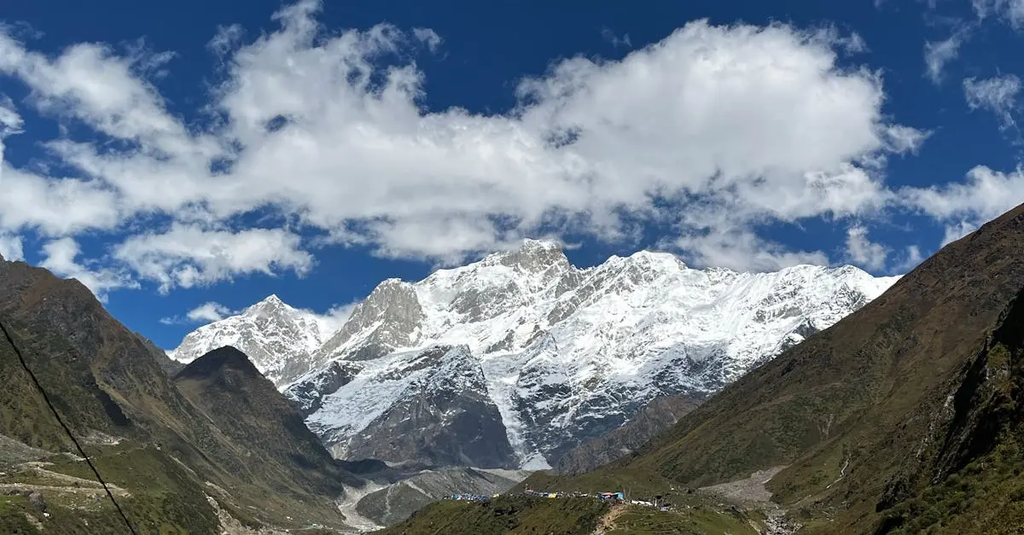
Record-breaking expeditions history refers to the chronological account of journeys or explorations that have surpassed previous achievements in areas such as distance, speed, altitude, or difficulty. These expeditions often push the boundaries of human endurance and innovation, setting new standards in exploration. They include feats like reaching the highest mountains, crossing vast oceans, or traversing extreme environments, and are celebrated for their pioneering spirit and contribution to our understanding of the world.
Record-Breaking Expeditions History
Record-breaking expeditions history refers to the chronological account of journeys or explorations that have surpassed previous achievements in areas such as distance, speed, altitude, or difficulty. These expeditions often push the boundaries of human endurance and innovation, setting new standards in exploration. They include feats like reaching the highest mountains, crossing vast oceans, or traversing extreme environments, and are celebrated for their pioneering spirit and contribution to our understanding of the world.
💡 Key Takeaways
- Learn the major milestones in record-breaking expeditions across distance, speed, altitude, and difficulty.
- Understand how technology, gear, and planning enabled breakthroughs in extreme exploration.
- Recognize the risks, ethics, and environmental considerations involved in record-breaking expeditions.
- See how historic record attempts shaped safety practices, training, and future exploration innovations.
❓ Frequently Asked Questions
What defines a record-breaking expedition?
An expedition that surpasses previous achievements in distance, speed, altitude, or difficulty, often verified by independent measurement and documentation.
What types of records are commonly tracked in expedition history?
Distance traveled, speed or time to complete a journey, maximum altitude or depth reached, and the level of difficulty or risk overcome.
How are expedition records verified and credited?
Records are verified by recognized organizations that review the route, measurements, and conditions; supporting documentation may include GPS data, logs, photos, and witness statements.
Can you name a few famous record-breaking expeditions in history?
Examples include the 1953 ascent of Mount Everest by Hillary and Norgay; the 1927 first solo nonstop transatlantic flight by Charles Lindbergh; and the 1960 deepest ocean dive by Piccard and Walsh.