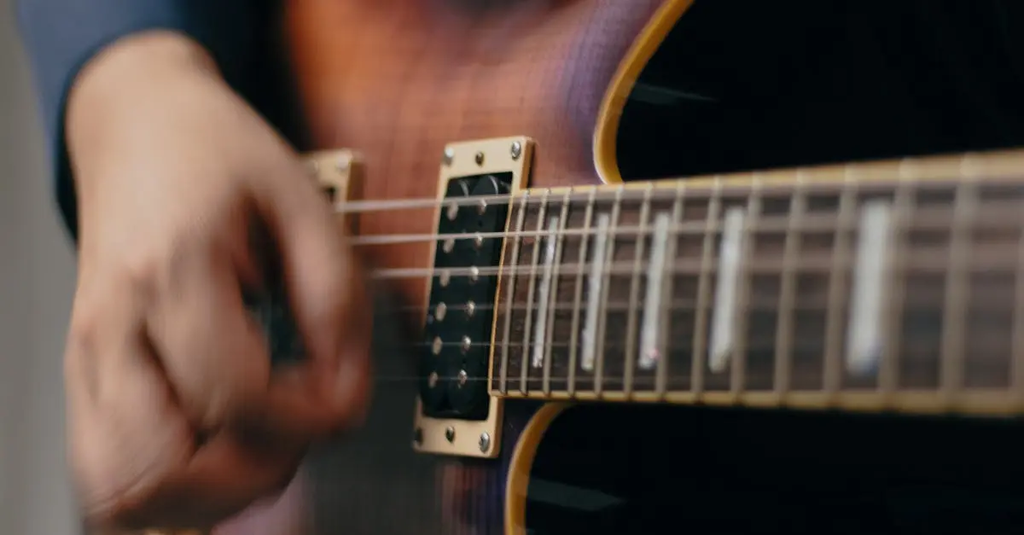
Recording Techniques & Studio Basics in Performing Arts & Music refers to the foundational skills and knowledge needed to capture, edit, and produce audio in a studio environment. This includes understanding microphone types and placement, signal flow, mixing consoles, digital audio workstations, and acoustics. Mastery of these basics enables artists and technicians to achieve high-quality sound recordings, essential for music production, voiceovers, and other audio projects in the performing arts.
Recording Techniques & Studio Basics
Recording Techniques & Studio Basics in Performing Arts & Music refers to the foundational skills and knowledge needed to capture, edit, and produce audio in a studio environment. This includes understanding microphone types and placement, signal flow, mixing consoles, digital audio workstations, and acoustics. Mastery of these basics enables artists and technicians to achieve high-quality sound recordings, essential for music production, voiceovers, and other audio projects in the performing arts.
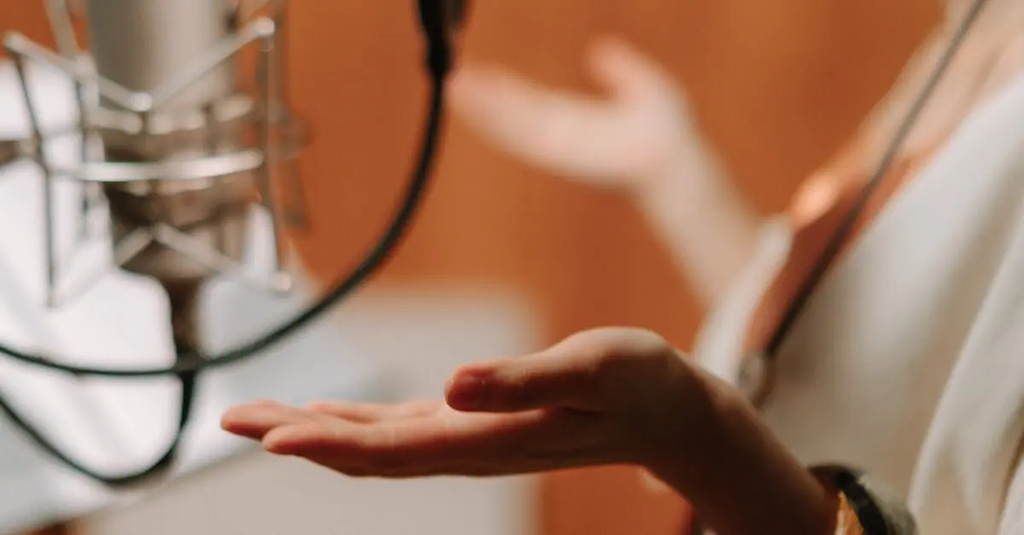
💡 Key Takeaways
- Understand the signal path from microphone to DAW, including mic, preamp, interface, and monitoring.
- Learn essential microphone techniques for vocals, guitars, and drums.
- Grasp basic studio acoustics and room treatment to improve sound capture and mixing.
- Get familiar with gain staging, monitoring, and basic editing workflows in a DAW.
❓ Frequently Asked Questions
What is gain staging in a recording session?
Gain staging is setting optimal input levels at each stage (mic preamp, interface, and DAW) to maximize loudness without distortion, ensuring clean signal throughout the chain.
What is the difference between dynamic and condenser microphones?
Dynamic mics are rugged and handle loud sources, ideal for live or rock recordings. Condenser mics are more sensitive and capture detail; they require phantom power and are common for studio vocals and acoustic instruments.
What is latency in a DAW and how can you minimize it?
Latency is the delay between playing or recording and hearing the signal. Minimize it by using direct monitoring, lowering the buffer size, and ensuring fast computer hardware.
What is a pop filter used for?
A pop filter reduces plosive consonants (like 'p' and 'b') when recording vocals, preventing unwanted low-frequency pops and distortion.
What is phantom power and why is it needed for some microphones?
Phantom power (typically 48V) powers condenser microphones. Dynamic mics don't require it, but condensers need it to operate.